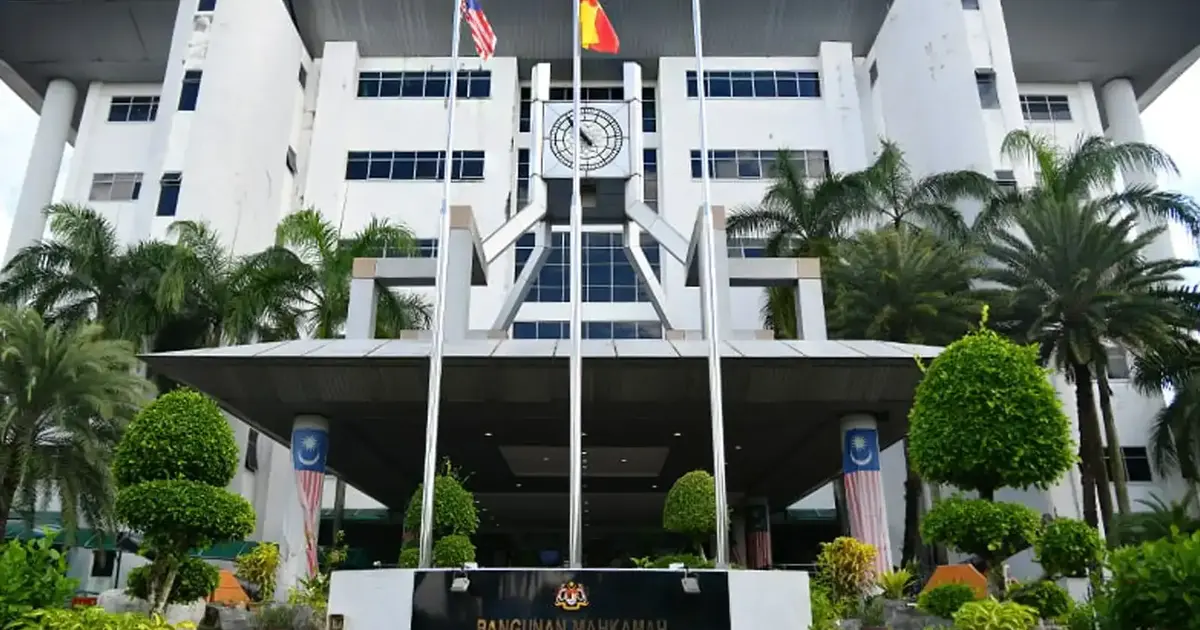
A customs official in Malaysia has claimed trial after being accused of receiving a substantial cash payment to terminate an active investigation, marking another instance of alleged misconduct within the nation's enforcement agencies. Fareez Akhmal Yusuf faces formal charges related to accepting RM15,000 from a 50-year-old suspect on June 29, according to court proceedings.
The allegation represents a serious breach of public trust, as customs officers occupy a critical position within Malaysia's regulatory framework. These officials are entrusted with managing border security, controlling contraband, and ensuring compliance with trade and excise regulations. When such authority is exploited for personal gain, it undermines the entire system's integrity and public confidence in law enforcement institutions.
The specificity of the charge—naming both the exact amount and the precise date—suggests that investigators gathered concrete evidence during their inquiry. Such details typically emerge through witness testimony, financial records, or surveillance operations that form the foundation of corruption cases. The involvement of a 50-year-old suspect indicates this was not an isolated incident but rather part of a documented interaction between the accused officer and an individual seeking to evade regulatory scrutiny.
Corruption within customs and revenue departments carries particular significance for Malaysia's economy and governance. These agencies generate substantial government revenue and maintain safeguards against smuggling, tax evasion, and illegal trade. When officers compromise their duties, the consequences ripple through multiple systems—legitimate businesses face unfair competition from smugglers, government coffers lose expected income, and public safety may be jeopardised if prohibited items enter the country unchecked.
The claim of trial indicates that Fareez Akhmal Yusuf has chosen to contest the allegations rather than enter a guilty plea, signalling that a full legal examination of the evidence will proceed. This approach will place the prosecution's case under judicial scrutiny, requiring them to present credible proof that the payment was indeed exchanged to terminate or suppress an investigation. Defence arguments may challenge the nature of the transaction or suggest alternative explanations for the fund transfer.
For Malaysian readers and businesses accustomed to navigating customs procedures, such cases raise uncomfortable questions about the prevalence of corruption at official checkpoints. While individual incidents do not necessarily indicate systemic failure, they contribute to perceptions that informal payments may be necessary to expedite clearance or resolve regulatory matters. This creates an environment where honest operators may feel pressured to engage in improper conduct simply to remain competitive.
The Royal Malaysian Customs Department has implemented various integrity programmes and internal investigations mechanisms to combat such misconduct. Regular training, rotation of staff, and surveillance systems aim to deter corrupt behaviour before it materialises. However, individual cases like this demonstrate that preventive measures require continuous strengthening and that detection and prosecution remain essential deterrents.
The judiciary's handling of this trial will send important signals about the seriousness with which the legal system treats corruption among enforcement officials. Convictions and appropriate sentencing help establish that public servants cannot exploit their positions for financial gain without facing significant consequences. Conversely, acquittals or lenient outcomes might embolden others contemplating similar misconduct.
Southeast Asian nations collectively face persistent challenges in combating corruption within revenue and customs services. Cargo volumes, complex regulatory frameworks, and the potential profitability of smuggling create environments where corrupt arrangements can flourish if unchecked. Malaysia's approach to investigating and prosecuting such cases influences regional standards and demonstrates commitment to transparency in governance.
The broader context matters here: public perception of customs integrity directly affects compliance rates. When businesses and individuals believe that rules are enforced inconsistently based on bribes rather than actual violations, they become more likely to engage in non-compliance themselves. A customs system perceived as corrupt loses its deterrent power, encouraging the very violations it exists to prevent.
Stakeholders including business associations, civil society organisations, and concerned citizens will likely monitor this trial closely. The outcome may prompt discussions about resource allocation to customs enforcement, technological solutions to reduce human discretion at critical decision points, and accountability mechanisms that discourage future misconduct.
Fareez Akhmal Yusuf's case represents more than an individual officer's alleged lapse in judgment. It embodies the ongoing tension between effective governance and the human vulnerability to corruption when opportunities and incentives align. The trial's progression and eventual verdict will contribute to the broader narrative about integrity standards within Malaysia's public institutions and the state's commitment to holding officials accountable to the law.

