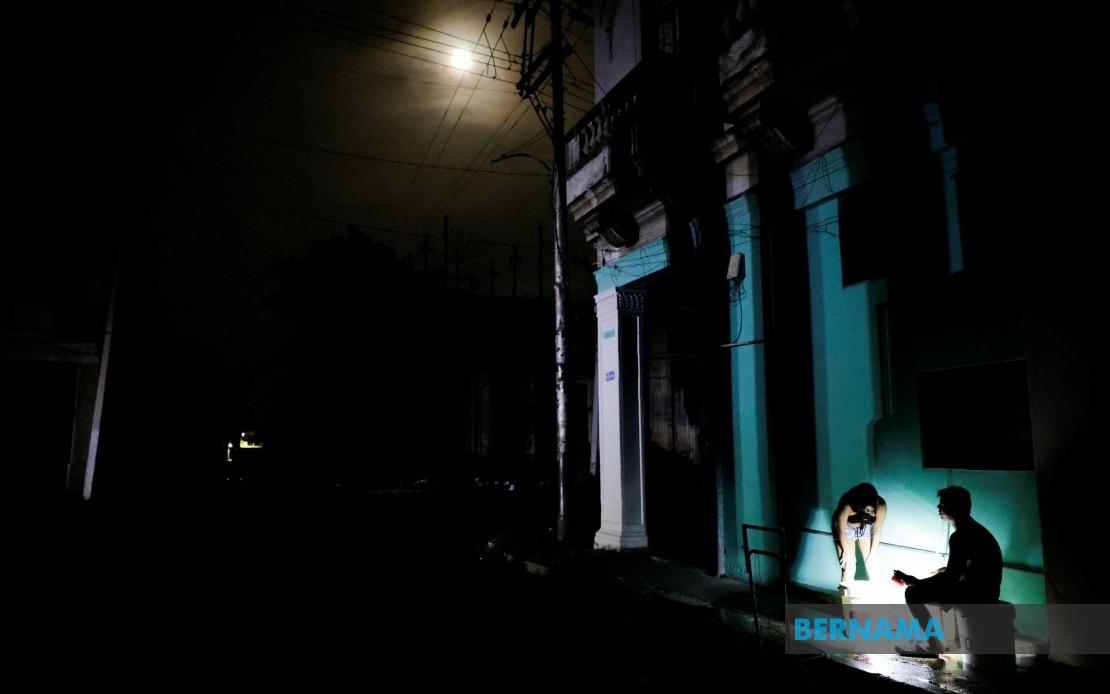
Cuba's power system has collapsed once more, plunging the entire nation into darkness in what represents an escalating crisis for the Caribbean island's crumbling energy infrastructure. State authorities confirmed that the national electrical grid had failed, triggering a comprehensive blackout across all regions on Sunday, according to reports from CNN. The incident underscores the severity of energy shortages that have become routine for Cuban citizens struggling to maintain basic services amid a prolonged economic downturn.
This latest outage marks the first documented blackout of August, but it comes amid an alarming pattern that saw the nation endure three separate nationwide blackouts during the previous month alone. The recurring nature of these failures illustrates how fragile Cuba's power generation and distribution systems have become, with aging infrastructure stretched beyond sustainable capacity. Officials have not released specifics regarding what triggered this particular grid collapse, leaving citizens and analysts to speculate about whether the failure stemmed from equipment breakdowns, fuel shortages, maintenance lapses, or a combination of systemic vulnerabilities.
The human toll of these blackouts extends far beyond temporary inconvenience. Residents throughout Cuba have adjusted their daily routines around electricity availability, cramming essential activities into unpredictable windows when power returns. Cooking meals, laundering clothes, accessing the internet, and attempting to cool homes during oppressive Caribbean summer temperatures all depend on whether households have electricity at any given moment. This uncertainty has fundamentally altered how ordinary Cubans organize their lives, forcing them to remain vigilant for power restoration while managing without modern conveniences that most people take for granted.
The broader energy crisis reflects structural problems within Cuba's electrical sector that have accumulated over decades of underinvestment and sanctions-related constraints. The state-owned utility responsible for maintaining the system has struggled to secure adequate fuel supplies, spare parts, and technical expertise needed to keep aging power plants operational. Many generation facilities were constructed decades ago and operate well beyond their intended lifespans, making catastrophic failures increasingly inevitable without massive capital investment and modernization.
Recognizing the unsustainability of the status quo, Cuba's government has begun pursuing economic reforms designed to attract foreign investment and boost energy production. Prime Minister Manuel Marrero Cruz announced in July that authorities had authorized the country's inaugural foreign investment arrangement focused on fuel importation and retail sales, a significant shift from Cuba's traditional state monopoly on energy commerce. This represents a pragmatic acknowledgment that domestic resources alone cannot resolve the deepening energy deficit.
Beyond fuel importation reforms, the government has broadened the scope of private sector participation in the economy. Nearly 200 businesses have received authorization to engage in wholesale fuel distribution, introducing competitive market dynamics into a sector long dominated by state control. Additionally, lawmakers have approved measures enabling private investment within the tourism industry, further opening Cuba's traditionally centralized economy to entrepreneurial activity and foreign capital.
Marrero emphasized that these structural changes would unfold incrementally, warning that meaningful improvements in energy availability and economic conditions would require patience. He acknowledged that the most challenging phase of implementation was only beginning, suggesting that citizens should prepare for a gradual rather than rapid transformation of services and living standards. Government communications indicate awareness that economic reform processes typically involve lengthy adjustment periods before generating tangible results.
The government's cautious messaging reflects realistic assessment of the obstacles ahead. Opening energy markets to foreign investors and private distributors involves navigating regulatory frameworks, training new personnel, establishing supply chains, and building public confidence in unfamiliar commercial arrangements. Previous attempts at Cuban economic reform have revealed how difficult rapid transformation proves when institutions, infrastructure, and expertise gaps exist simultaneously.
For Southeast Asian observers, Cuba's energy crisis offers instructive lessons about the dangers of allowing critical infrastructure to deteriorate through extended periods of underinvestment and neglect. Malaysia and regional neighbors have invested substantially in maintaining and upgrading power generation, transmission, and distribution systems precisely to avoid the cascading failures now afflicting Cuba. The contrast underscores why energy infrastructure typically receives dedicated government attention and substantial budget allocations throughout developing Asia.
Cuba's pivot toward foreign investment and private sector participation also illustrates broader global trends affecting how governments approach economic development and service delivery. Many nations in Southeast Asia have similarly embraced public-private partnerships and foreign involvement in infrastructure sectors, recognizing that state actors alone often lack the financial resources or technical capabilities to maintain modern energy systems serving rapidly growing populations and industrial sectors.
The timing of Cuba's reforms suggests desperation rather than ideological flexibility, given the government's historical resistance to market mechanisms and foreign involvement in strategic sectors. The energy crisis has become sufficiently acute that policymakers determined that ideological consistency mattered less than securing functioning electrical systems. This pragmatic shift may portend additional liberalizing reforms if economic conditions continue deteriorating.
As Cuba implements its reform agenda, the effectiveness of these measures will partly depend on whether foreign investors perceive sufficient stability and profitability to commit capital to fuel importation and distribution ventures. International companies considering involvement in Cuban energy markets must weigh potential returns against political risks, regulatory uncertainties, and concerns about payment reliability given the nation's challenging economic circumstances.

