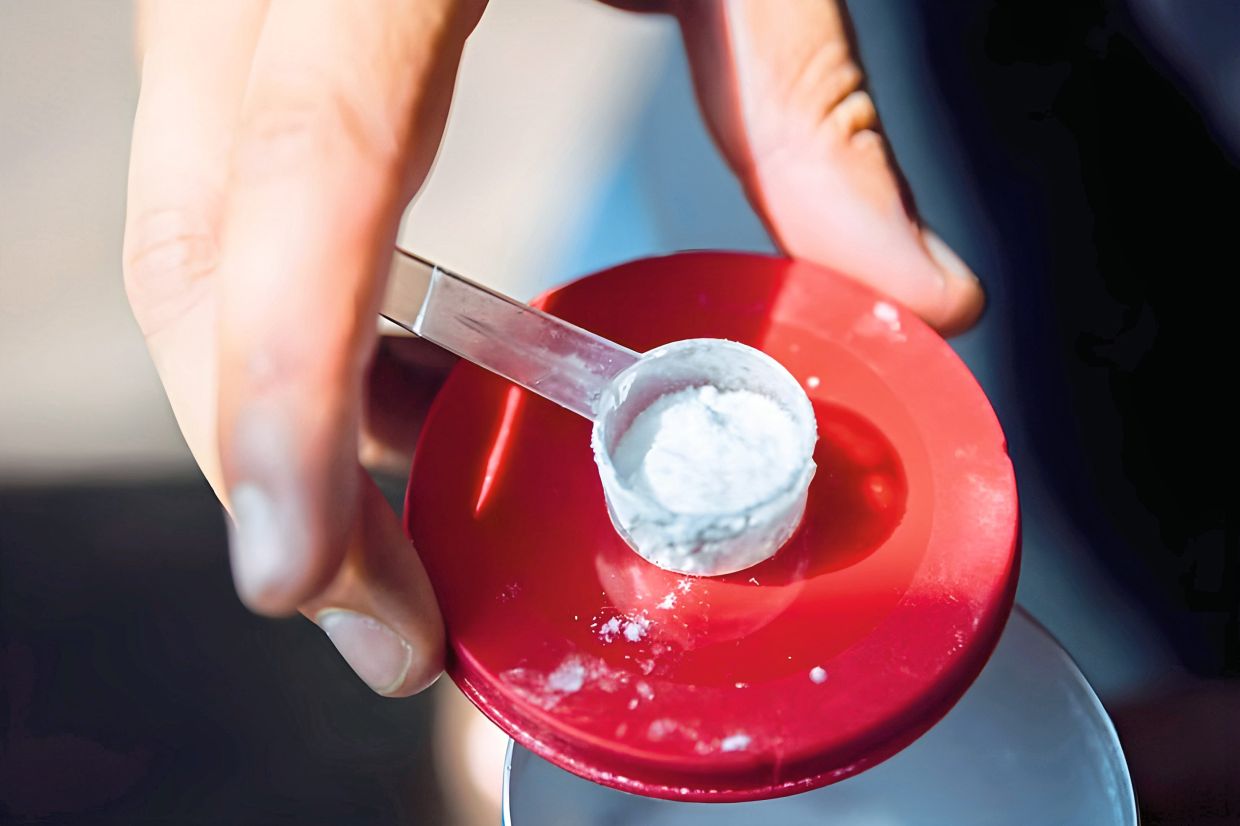
The rumour that creatine supplementation leads to hair loss has haunted fitness enthusiasts and athletes for more than a decade and a half, despite limited scientific foundation. Now, a 2025 randomised controlled trial has provided the most rigorous examination of this concern to date, finding no connection between the popular supplement and baldness or any measure of hair follicle deterioration. For the countless people across Southeast Asia and globally who have avoided one of the most researched and efficacious sports supplements due to this persistent worry, the findings offer meaningful reassurance backed by contemporary science.
The origins of this widespread concern trace to a single 2009 study that never actually measured hair loss. Researchers observing resistance-trained men noticed that creatine supplementation appeared to increase the rate at which testosterone converted to DHT, a hormone implicated in pattern baldness. The authors cautiously called for further investigation given the supplement's popularity, but critically, none of the study participants reported experiencing any hair loss during the research. Nevertheless, because DHT carries a known association with androgenetic alopecia, media coverage and online discussions amplified the cautionary finding into a widespread health warning that persisted unchallenged for years. This example illustrates how preliminary research findings, when interpreted through the lens of public concern, can crystallise into enduring myths that lack empirical support.
The newly published investigation addressed the question with substantially greater methodological rigour. Researchers enrolled 45 resistance-trained men aged 18 to 40 and randomly distributed them to receive either 5 grams of creatine monohydrate daily or an identical-looking placebo of maltodextrin. Throughout the 12-week intervention period, participants maintained their usual training regimens and dietary patterns, eliminating confounding variables related to lifestyle changes. This controlled approach allowed researchers to isolate creatine's specific effects from the complex web of factors influencing hormone levels and hair health.
The study employed sophisticated diagnostic tools to measure hair follicle health with precision impossible in earlier investigations. Beyond standard blood work measuring total testosterone, free testosterone, and DHT levels, researchers utilised the Trichogram test and the FotoFinder system—technologies that quantify hair density, follicular unit count, and cumulative hair thickness with objective metrics. These innovations allowed researchers to detect even subtle changes in hair growth patterns that subjective observation might miss. Although 38 of the original 45 participants completed the full protocol, the attrition rate remained low enough to maintain statistical validity.
The results provided definitive evidence against the baldness claim. Researchers identified no statistically significant differences between the creatine and placebo groups across any measure: DHT levels showed no elevation, the DHT-to-testosterone ratio remained unchanged, and every objective assessment of hair growth and follicle health proved indistinguishable. The authors concluded they had conducted the first study to directly assess hair follicle health following creatine supplementation, positioning their work as the authoritative response to a question that had lingered unresolved for 16 years. This represents a crucial moment when rigorous science definitively closes a debate that misinformation had kept alive.
The broader context underscores creatine's exceptional standing among dietary supplements. Jose Antonio, an exercise physiologist at Nova Southeastern University in Florida, observed that no other food or dietary supplement possesses as much supportive evidence documenting its safety and efficacy. Creatine has undergone hundreds of scientific investigations across diverse populations, dosing protocols, and duration of use. The accumulated evidence demonstrates consistent benefits for muscle strength and athletic performance, coupled with an exceptionally favourable safety profile. This depth of research distinguishes creatine from the vast majority of performance supplements marketed to athletes and fitness enthusiasts.
For Malaysian readers considering whether to incorporate creatine into training regimens, registered dietitian Kate Patton from Cleveland Clinic advises that those with specific health concerns should consult medical professionals before beginning supplementation. She notes that while no conclusive evidence suggests creatine increases testosterone or causes hair loss, a conversation with a primary care doctor or endocrinologist offers valuable personalised guidance. This recommendation reflects the principle that medical decision-making remains individual rather than universal, even when population-level evidence provides clear answers to general questions.
Practical considerations should guide anyone beginning supplementation for the first time. Nutrition counsellor Carolyn Brown from Indigo Wellness Group notes that people frequently experience water weight gains of two to four pounds within the first week of creatine use—a physiologically normal response that reflects the supplement's mechanism of action rather than fat accumulation. Brown recommends selecting creatine monohydrate specifically, the form with the strongest evidence base and most predictable effects. Consistency in supplement selection prevents confusion arising from varying formulations and their differing absorption characteristics.
The supplement's effectiveness depends fundamentally on coupling it with appropriate physical training. Paul Greenhaff, a muscle metabolism professor at the University of Nottingham, emphasises that creatine contains no calories and exerts no direct impact on fat metabolism. Taking the supplement without engaging in resistance training yields no physiological benefit—the compound requires the stimulus of exercise to facilitate the metabolic pathways through which it enhances performance. This requirement underscores that supplements function as adjuncts to training and nutrition rather than replacement solutions.
Dr Jason Mitchell, executive vice president and chief medical officer at Geisinger healthcare organisation, characterises creatine as among the rare supplements whose reputation matches its actual scientific evidence. He underscores that it represents a safe supplement subjected to rigorous scientific investigation demonstrating consistent safety across diverse populations and usage patterns. As fitness culture continues expanding throughout Southeast Asia, with growing numbers of gym-goers, athletes, and fitness enthusiasts seeking performance enhancements, the availability of evidence-based information becomes increasingly valuable. The resolution of the creatine-baldness question removes a significant barrier preventing people from accessing one of the most researched, safe, and effective supplements available.
The broader lesson extends beyond creatine itself. Health myths, once established, prove remarkably persistent despite limited foundational evidence. Consumers benefit from recognising that claims require scrutiny, that preliminary findings warrant caution rather than alarm, and that time and additional research ultimately distinguish genuine risks from unfounded concerns. As the fitness industry continues its rapid evolution across Asia, encouraging critical evaluation of supplement claims—supported by directing people toward peer-reviewed research rather than social media speculation—promotes both safety and informed decision-making. The creatine story demonstrates how contemporary science, given sufficient opportunity and resources, can definitively answer questions that have troubled people for years.

