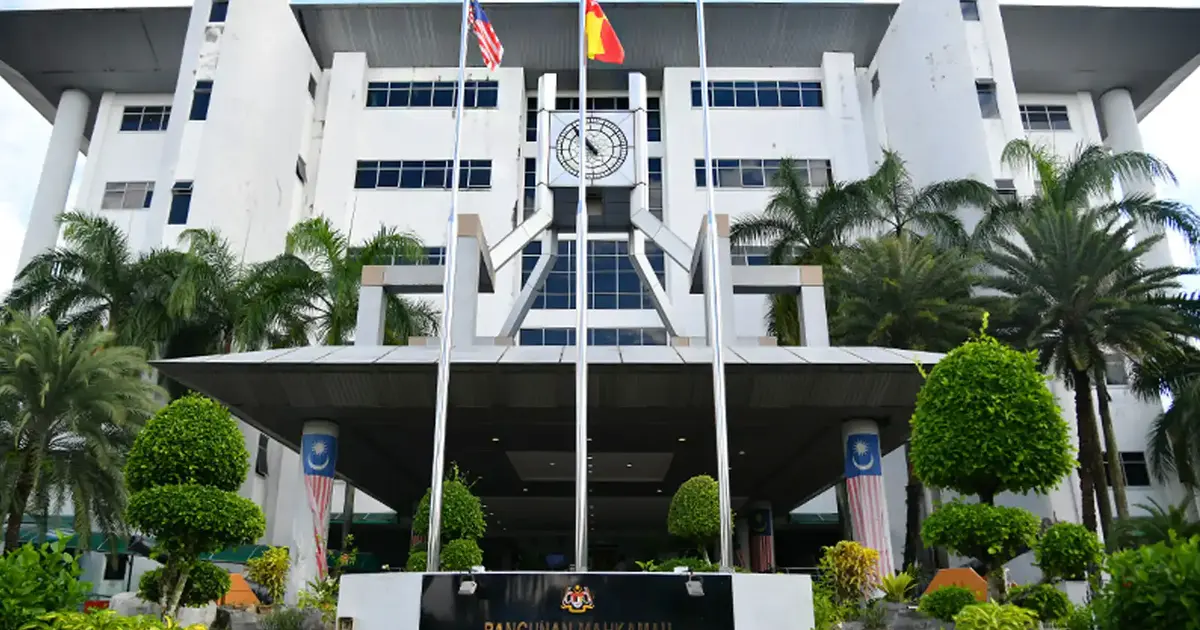
A 15-year-old boy has been ordered to enter his defence after a Shah Alam High Court judge found the prosecution had established a prima facie case against him in connection with a murder at a school in Bandar Utama. Judge Adlin Abd Majid made the ruling following the conclusion of the prosecution's case, marking a significant turning point in the proceedings that will now shift the burden to the defence team to challenge the evidence presented.
The judge's decision represents a critical juncture in the case, as the threshold of prima facie evidence requires the prosecution to have presented sufficient facts and circumstantial details to support the charge. This legal standard does not mean the court has determined guilt, but rather that the evidence, if accepted, would be capable of supporting a conviction. The ruling effectively allows the case to proceed past the preliminary stage, where the focus had been on whether the Crown's case was substantial enough to warrant a full defence.
For the teenager, the order to mount a defence means he will now have the opportunity to present his version of events, call witnesses on his behalf, and challenge the prosecution's evidence through cross-examination and legal argument. This phase is crucial for any defendant, as it provides the platform to counter allegations and present alternative explanations for the circumstances surrounding the alleged incident. The defence strategy and presentation in the coming weeks will significantly influence the final outcome of the trial.
The incident at the Bandar Utama school had shocked the local community and raised concerns about safety within educational institutions. The school murder case generated considerable public attention due to the age of the defendant and the tragic nature of the alleged crime. Parents and educators had scrutinised the circumstances surrounding the incident, prompting discussions about school security, student welfare, and youth violence prevention measures across the country.
The prosecution's case, which the judge deemed sufficient to establish a prima facie foundation, would have included witness testimonies, forensic evidence, and other investigative findings. The police and prosecution teams had compiled their evidence over the preceding months, building what they considered a comprehensive case linking the teenager to the offence. The judge's acceptance of this material as meeting the necessary legal threshold validates the investigation's direction and the Crown's prosecutorial judgment.
The transition to the defence phase introduces new dynamics into the courtroom proceedings. The defence team must now strategically present evidence and arguments that either cast doubt on the prosecution's case or provide an alternative narrative to the events in question. Given the seriousness of the murder charge and the defendant's age, the court will also consider relevant sentencing considerations should a conviction ultimately be determined, including mitigating factors related to juvenile offenders.
This development has broader implications for Malaysia's juvenile justice system. Cases involving teenage defendants in serious crimes often attract scrutiny regarding rehabilitation potential, the appropriate legal framework for minors, and the balance between accountability and the developmental needs of young offenders. The handling of this case may set precedents for how similar matters are conducted in Malaysian courts, influencing legal approaches to youth crime going forward.
The family of the accused and the family of the alleged victim have both been closely monitoring the proceedings. The emotional and social dimensions of cases involving school-related violence extend beyond the courtroom, affecting entire communities and raising questions about support systems for grieving families and trauma-affected students. Educational institutions across Bandar Utama and neighbouring areas have likely reviewed their own safety protocols in light of the incident.
As the defence case unfolds, several critical questions will be examined. The nature of the evidence against the teenager, the reliability of witness accounts, and any circumstantial factors that might support innocence or provide context for the alleged actions will all come under scrutiny. The defence may also explore issues related to the teenager's mental state, circumstances at the time of the alleged incident, and any other factors relevant to understanding what occurred.
The judge's ruling does not prejudge the ultimate outcome of the trial. Malaysian courts operate on the principle of presumption of innocence until guilt is proven beyond reasonable doubt. While the prosecution has cleared the threshold for proceeding with a defence case, the final determination of liability will depend on the totality of evidence presented during the remaining trial proceedings. The defence phase will provide the platform for testing that evidence and presenting counter-arguments.
The timeline for the defence case and subsequent judgment remains to be determined by the court. Depending on the complexity of the evidence and the number of witnesses the defence intends to call, the proceedings could extend over several weeks or months. Throughout this period, the legal system will work to ensure that justice is administered fairly while respecting both the rights of the accused and the interests of the victim's family.
This case continues to represent a sobering reminder of the potential for serious incidents within school environments and the challenges facing Malaysia's youth. How the courts resolve this matter, combined with the broader policy responses to school safety and youth welfare, will reflect the nation's commitment to protecting its young people while administering justice fairly and transparently through its legal institutions.

