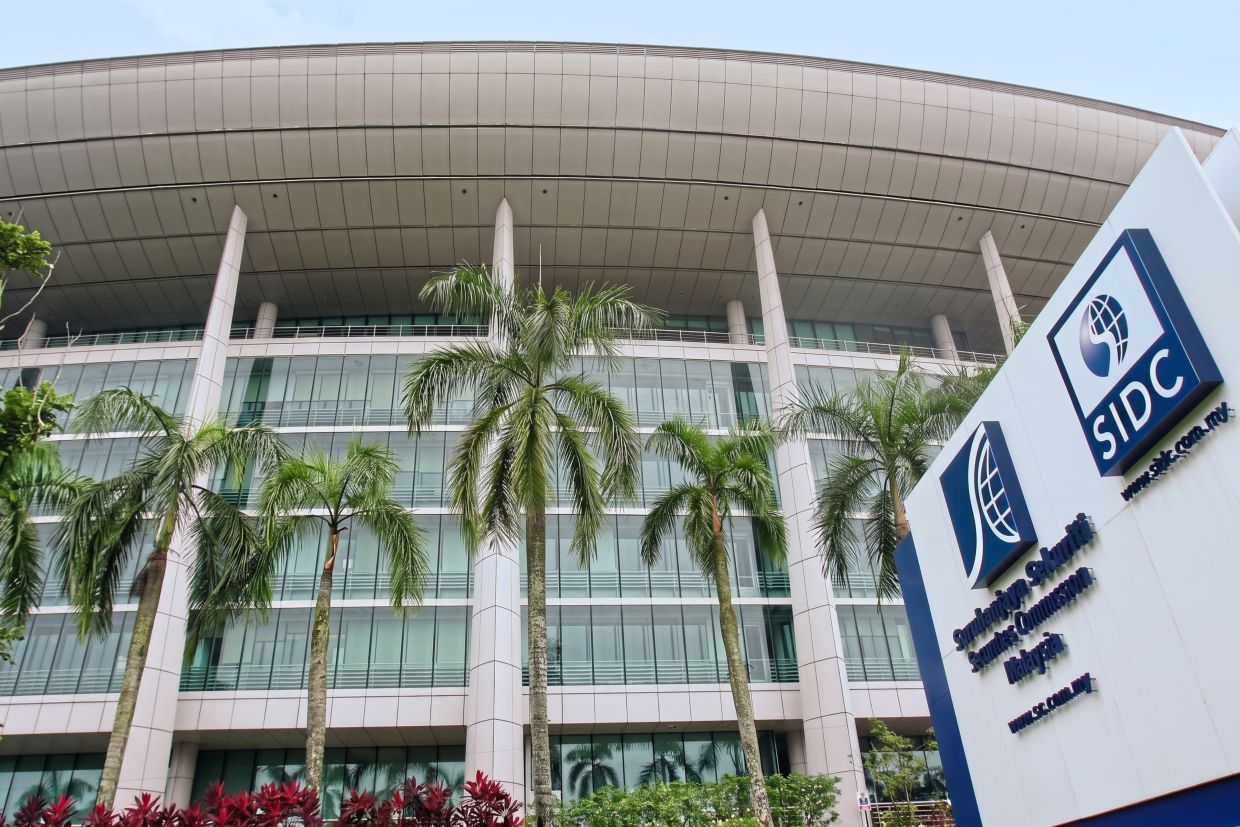
Malaysia's appellate court has delivered a decisive victory for market regulators by unanimously affirming an insider trading conviction against two executives, strengthening the Securities Commission's enforcement record and signalling the judiciary's commitment to protecting capital market integrity. The Court of Appeal's decision to uphold the High Court's 2022 judgment means that former WCT Bhd deputy managing director Goh Chin Liong and Ara Holdings Sdn Bhd director Leong Ah Chai must collectively pay RM5.83mil in damages and penalties, with both defendants also bearing appellate costs of RM100,000 each.
The case originated in 2015 when the Securities Commission launched civil proceedings against both men under sections 188(2) and 188(3) of the Capital Markets and Services Act 2007. At its core lay allegations of a serious breach of market conduct standards: Goh, leveraging his position as a senior executive at WCT Bhd, allegedly shared sensitive commercial intelligence with Leong concerning the cancellation of a substantial infrastructure contract. That contract had represented a significant opportunity for a joint-venture partnership between WCT and Arabtec Construction LLC to develop a racecourse facility in Dubai, United Arab Emirates. The abrupt termination of this arrangement constituted material non-public information that could meaningfully influence investment decisions.
What transformed this information exchange into a securities violation was Leong's subsequent trading activity. Acting on the inside knowledge he had received from Goh, Leong orchestrated the disposal of 1.64 million WCT shares held within Ara Holdings' trading account across a four-day window in early January 2009, specifically between January 2 and 5. This rapid liquidation appeared designed to avoid anticipated downward pressure on WCT's share price once the Dubai contract cancellation became public knowledge, effectively allowing Leong to sidestep the losses that other shareholders would subsequently experience.
The High Court judge, after conducting a comprehensive trial and weighing the evidence presented by the Securities Commission, determined that the regulatory body had successfully established insider trading liability against both defendants. This victory proved decisive: the court ordered Goh and Leong each to disgorge RM2.5mil in profits or losses avoided through their unlawful trading, imposed civil penalties of RM300,000 on each party, and required both to shoulder the Commission's legal costs of RM75,000. The unanimous appellate decision to dismiss both defendants' appeals without identifying any appealable errors essentially validated the trial judge's factual findings and legal reasoning.
The enforcement process, however, required additional litigation. In May 2026, the Securities Commission returned to the High Court seeking to reinstate garnishee orders—a mechanism that allows creditors to recover judgment debts by intercepting funds held in third-party accounts. The court granted this application, providing the regulator with critical tools to enforce the RM5.83mil award against both defendants. This procedural victory proved essential because, without such enforcement mechanisms, even a sound judgment risks remaining merely a paper victory if defendants lack the inclination or ability to pay voluntarily.
The Court of Appeal's affirmation carries substantial implications for Malaysia's capital market. Insider trading undermines the foundational principle that all market participants operate with access to equal information and therefore compete on a level playing field. When executives exploit confidential knowledge to gain unfair trading advantages, they erode the confidence that retail and institutional investors place in market fairness and transparency. This erosion of confidence, if left unchecked, can depress investment flows, increase the cost of capital for legitimate businesses, and ultimately weaken the entire financial ecosystem that Malaysian companies depend upon for growth and development.
The Securities Commission's statement emphasising that insider trading constitutes a serious breach reflects international best practice in securities regulation. Across jurisdictions from the United States to Europe to Singapore, authorities treat insider trading as a priority enforcement matter precisely because the economic harm extends beyond the individual perpetrators and victims to encompass systemic integrity. Each successful prosecution and appellate affirmation generates a deterrent effect, signalling to other potential wrongdoers that the consequences of illicit trading are severe and certain.
For Malaysian investors and the broader business community, this judgment offers reassurance that the country's legal and regulatory framework can effectively address breaches of securities law. The Court of Appeal's willingness to unanimously uphold the trial court's findings suggests that the judiciary takes market integrity seriously and will not lightly overturn findings of wrongdoing based on technical arguments or procedural objections. This consistency between trial and appellate courts reinforces investor confidence more effectively than any regulatory statement could achieve alone.
The Securities Commission has now signalled its intention to proceed aggressively with enforcement collection activities, utilising the garnishee orders to recover the full RM5.83mil judgment sum. Depending on the defendants' asset holdings and financial circumstances, this process could unfold over months or years. Nevertheless, the regulator's commitment to pursue recovery underscores that enforcement actions are not merely about imposing nominal penalties but about achieving meaningful restitution that protects the broader investor base and deters future misconduct.
Looking forward, this appellate decision will likely influence how Malaysian courts and the Securities Commission approach similar insider trading cases. The unanimous verdict establishes a strong precedent that the communication of material non-public information followed by trading activity constitutes a viable basis for insider trading liability, even absent direct evidence of explicit agreement or conspiracy. This precedent may lower evidentiary burdens for future Commission prosecutions, potentially leading to more successful enforcement actions and a demonstrable increase in securities law compliance across corporate Malaysia.
The case also underscores the importance of robust compliance frameworks within publicly listed companies. Executives at corporations like WCT hold fiduciary duties to shareholders and must carefully control access to sensitive information. The consequences of breaching these duties—as Goh discovered through years of litigation and substantial financial penalties—extend well beyond employment termination to include civil liability, reputational damage, and potential criminal referral in aggravated cases. For board directors and senior management across Malaysian companies, this judgment reinforces the necessity of instituting and enforcing strict information barriers between corporate divisions, pre-trade clearances, and regular compliance training.
Ultimately, the Court of Appeal's decision represents a validation of Malaysia's institutional capacity to police securities violations and protect market integrity through the courts. At a time when emerging markets across Southeast Asia compete for international capital flows and investor confidence, demonstrating effective enforcement of securities laws proves critical to national competitiveness. Malaysia's ability to bring this case to a successful conclusion across both trial and appellate stages, and to implement recovery mechanisms, signals to global investors that the country maintains credible regulatory institutions worthy of trust and engagement.

