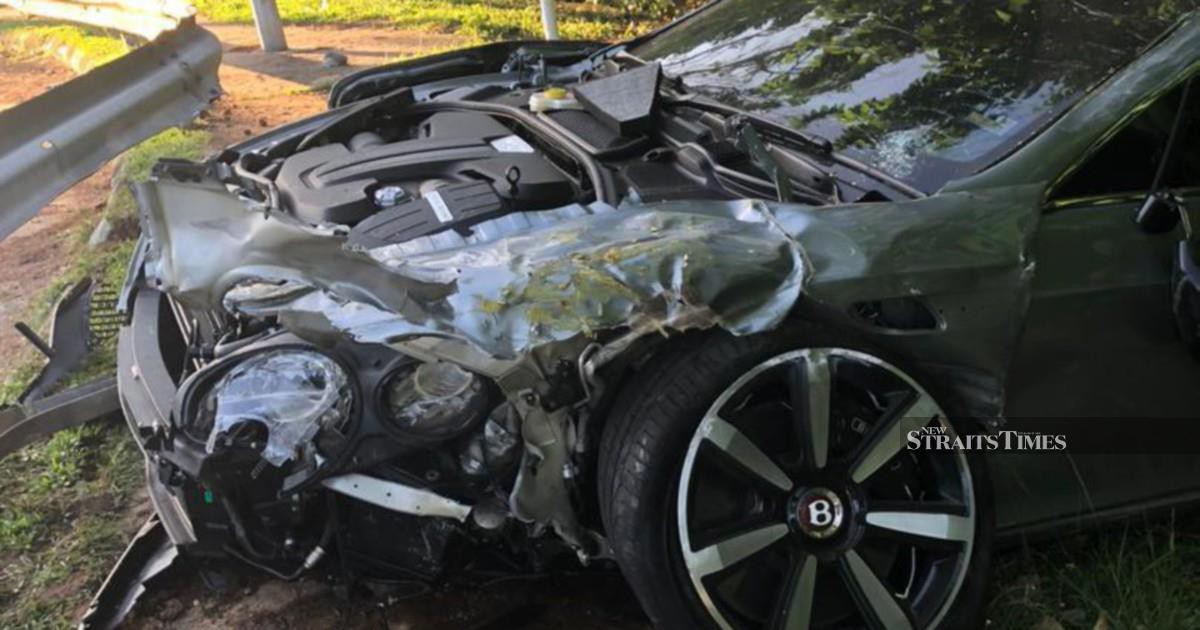
The Court of Appeal in Putrajaya has reaffirmed a High Court judgment mandating that an insurance company reimburse a businessman RM900,000 as compensation for the total loss of his Bentley Continental GTS V6 MDS following an accident that occurred six years prior to the court proceedings.
This appellate decision represents a significant outcome in Malaysian insurance litigation, particularly concerning high-value vehicle claims. The case underscores the judicial system's commitment to enforcing insurance contract obligations and protecting policyholders against insurer disputes over claim valuations. By affirming the lower court's determination, the appellate bench signalled that insurers cannot merely reject or undervalue claims without substantive justification.
The protracted nature of this dispute—spanning six years from accident to final appellate resolution—illustrates a broader challenge within Malaysia's civil litigation framework. Insurance claim disputes frequently involve lengthy court processes, during which claimants remain without full compensation while their cases navigate multiple judicial levels. This temporal dimension is particularly burdensome for individuals claiming damages on luxury vehicles, where depreciation and market fluctuations further complicate settlement valuations.
Bentley Continental vehicles represent the upper echelon of Malaysia's automotive market, with replacement and repair costs substantially exceeding mainstream vehicles. The RM900,000 figure suggests either comprehensive damage assessment or total loss valuation conducted by appointed assessors. Insurance disputes involving prestige marques often hinge on whether repair costs justify total loss declarations or whether salvage recovery options remain viable—technical considerations that demand specialist automotive expertise.
For Malaysian consumers with high-value motor policies, this judgment provides reassurance that courts will scrutinise insurer decision-making. The ruling establishes that insurance companies cannot unilaterally determine claim values; independent judicial review ensures that valuations align with established assessment methodologies and market realities. This principle applies across policy tiers, though cases involving luxury vehicles attract greater judicial attention due to their financial magnitude and technical complexity.
The case also reflects ongoing tensions between insurers seeking to manage claims costs and policyholders expecting full performance of their contractual arrangements. Malaysian insurance regulators have emphasised transparent claims handling procedures and professional assessment standards, yet disputes persist regarding how damage extent translates into monetary compensation. Courts increasingly expect insurers to produce detailed, expert-backed justifications for claim rejections or reductions.
From a broader Malaysian legal perspective, this decision contributes to jurisprudence around insurance law interpretation. The Court of Appeal's confirmation of the lower court judgment reinforces that indemnity principles—requiring policyholders to be restored to their pre-loss financial position—remain foundational to Malaysian contract law. Insurers cannot circumvent this principle through selective claims processing or disputes over valuations lacking substantive expert support.
The six-year timeline also warrants scrutiny regarding court efficiency and case management. While Malaysian courts generally perform respectably in comparative regional assessments, high-stakes civil disputes continue to consume considerable judicial resources. This case exemplifies scenarios where earlier, more decisive judicial intervention might have expedited resolution and reduced legal costs for both parties—an efficiency consideration relevant as Malaysian courts navigate increasing caseloads.
For insurance industry practitioners, the judgment signals that appellate courts remain vigilant against claims denials lacking robust documentary and expert foundation. Insurers operating in Malaysia must maintain comprehensive assessment protocols, engage qualified loss adjusters for significant claims, and ensure that claim denial letters contain detailed reasoning supported by professional evidence. Generic rejection letters or assessments failing to address policyholder evidence will likely invite judicial reversal.
The financial implications extend beyond this individual case. If similar patterns emerge where courts consistently award valuations exceeding insurer initial offers, this may influence future premium structures and claims reserve management within the industry. Insurance companies may respond by enhancing assessment procedures upfront or engaging more experienced valuers, ultimately protecting both their financial interests and consumer confidence in claims resolution.
Southeast Asian consumers increasingly purchase high-value vehicles and comprehensive insurance products, making this Malaysian judgment potentially relevant across the region. Countries sharing similar common law traditions and insurance regulatory frameworks may reference this ruling when developing their own claims dispute jurisprudence, particularly regarding valuation methodology and burden of proof standards.
Looking forward, this case reinforces the importance of meticulous documentation at accident scenes and prompt, professional claims initiation. Malaysian motorists involved in significant vehicle damage should maintain contemporaneous photographs, obtain independent assessments, and preserve all communications with insurers—creating an evidentiary foundation that withstands potential disputes. Where disagreements emerge regarding claim valuation, engaging insurance law specialists early can substantially improve outcomes and reduce timeline uncertainties.
The Court of Appeal's decision ultimately reaffirms that Malaysian courts will protect legitimate insurance claims against unjustified resistance, regardless of vehicle value. This protective principle strengthens consumer confidence in the insurance system and ensures that contractual protections extend meaningfully to all policyholders, from ordinary motorists to those operating luxury vehicles.

