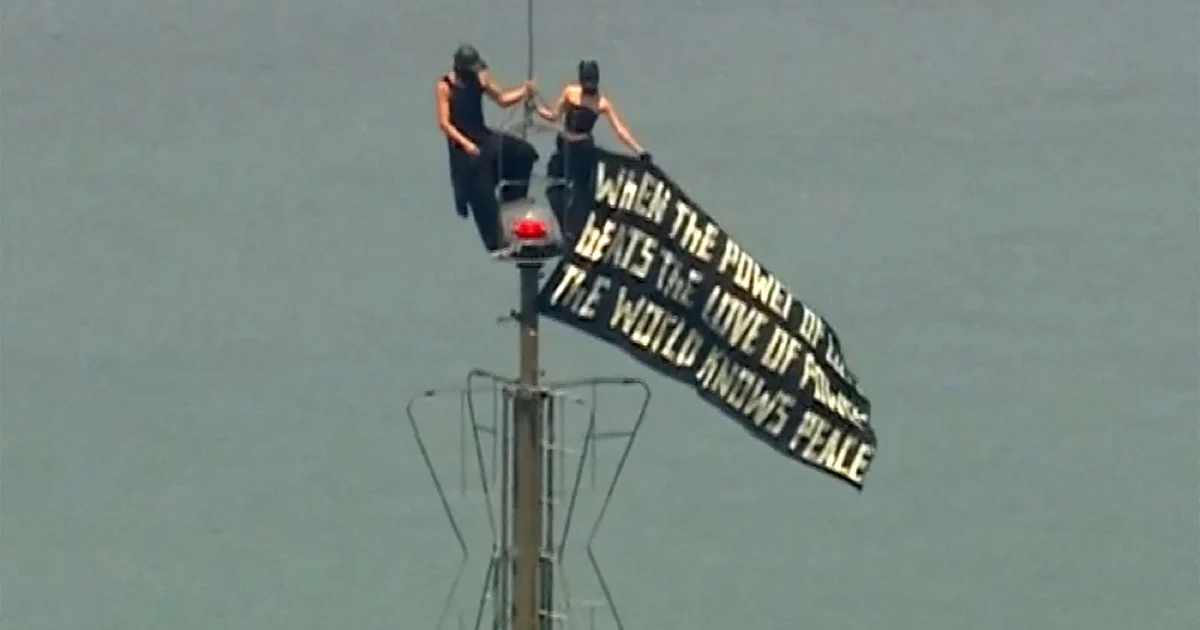
A daring climb of the Empire State Building ended in arrests on Wednesday when two individuals scaled the antenna crowning one of Manhattan's most recognizable structures. The incident unfolded at the historic skyscraper on Fifth Avenue, with evidence suggesting the pair may have been celebrating an engagement at the building's apex — transforming what would ordinarily be a romantic gesture into a dramatic confrontation with law enforcement.
The ascent of the Empire State Building's exterior infrastructure represents a particularly brazen violation of security protocols at a structure that has been a focal point of New York's identity since its completion in 1931. The 102-storey art deco masterpiece rises 380 metres above street level, with the antenna adding considerably to the total height. Unauthorized climbing of such prominent urban landmarks has become an increasingly rare occurrence, given enhanced security measures implemented across major American cities over the past two decades.
While the identities of the two individuals remain to be formally disclosed, the apparent romantic motivation behind their actions — suggesting an engagement moment at the summit — adds a poignant dimension to what otherwise appears as a reckless transgression of building access restrictions. The couple's apparent decision to mark such a significant personal milestone with such an unconventional and dangerous stunt reflects a broader cultural trend toward seeking memorable moments through high-risk activities and social media exposure.
The Empire State Building functions as far more than a commercial space; it serves as a symbol of American ambition and engineering prowess, drawing millions of visitors annually who ascend via its designated elevators and observation decks. The building's management and security operations have been extensively refined over decades to accommodate legitimate visitors while preventing unauthorized access to restricted areas. The Wednesday incident represents a significant breach of these carefully maintained protocols.
From a Malaysian perspective, this event demonstrates how iconic structures worldwide grapple with balancing accessibility and security. Southeast Asian landmarks, including those in Malaysia, face similar challenges in protecting heritage sites while managing the growing desire among visitors — particularly younger demographics — to create distinctive travel experiences. The incident serves as a cautionary example of how social media-driven tourism can incentivize dangerous behavior.
The arrest of the two climbers underscores how seriously American authorities treat unauthorized access to critical infrastructure and significant buildings. New York City's police force responded swiftly to secure the individuals and prevent further escalation of the situation. Such responses reflect broader concerns about security at major landmarks in the post-9/11 era, where protocols have been substantially tightened across North America.
Prior unauthorized climbs of the Empire State Building remain relatively infrequent in recent years, though the building's history includes several notable instances of individuals ascending its exterior. Each incident triggers reviews of security procedures and reinforces the need for continuous monitoring and access control. The Wednesday climb demonstrates that despite decades of refinement, determined individuals can still find ways to breach perimeter security.
The apparent engagement element of this incident introduces questions about decision-making under the influence of romantic impulse. While grand romantic gestures have long been part of human culture, the increasing accessibility of high-risk venues through social media has normalized viewing such locations as backdrops for personal milestones. This cultural shift has created new challenges for building managers and security personnel worldwide.
The incident also highlights broader discussions about personal freedoms and public safety. While the two climbers may view their actions as expressions of love and individual liberty, authorities must balance such considerations against risks to the building's integrity, potential dangers to the climbers themselves, and broader security implications. This tension between romantic autonomy and collective safety represents a persistent challenge in contemporary urban management.
For tourists and visitors to New York, the Empire State Building remains accessible through conventional channels, with its observation decks offering spectacular views of Manhattan and beyond. The designated observation areas provide legitimate platforms for memorable moments without the legal and personal risks associated with unauthorized climbing. The Wednesday arrests serve as a powerful reminder that iconic structures merit respect for their historical significance and the safety measures protecting them.
As details surrounding the apparent engagement proposal emerge, the incident will likely fuel discussions about the lengths to which modern couples go to create distinctive relationship milestones. The intersection of romance, risk-taking, and urban security in this case provides rich material for examining contemporary cultural values and their practical implications for maintaining order in cosmopolitan environments.

