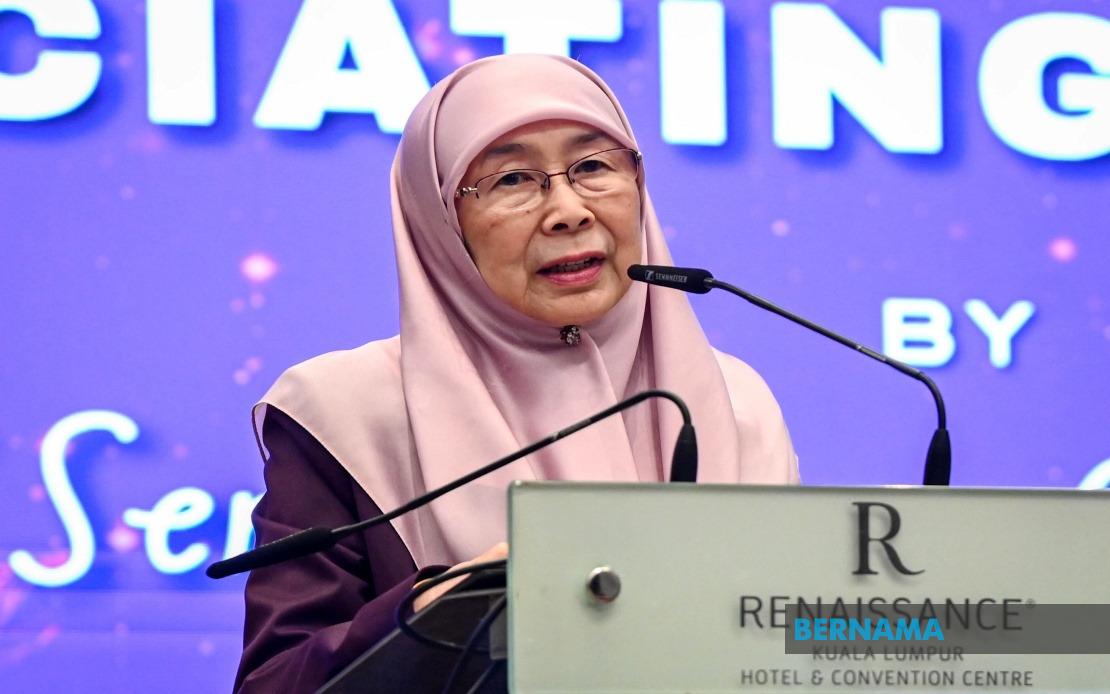
Datuk Seri Dr Wan Azizah Wan Ismail, the Prime Minister's wife, has stressed that patient-centred care must remain fundamental to healthcare delivery, with compassion serving as the guiding principle for all medical innovation. Speaking at the launch of the 16th Malaysian Obstetric Anaesthesiology Symposium (MyOASym) 2026 in Kuala Lumpur, she underscored that the wellbeing of mothers and their families extends far beyond clinical measurements, encompassing dignity, respect and emotional support throughout the entire pregnancy and childbirth experience.
The advancement of medical technology and treatment methodologies has undoubtedly reshaped the healthcare landscape across the region. However, Wan Azizah argued that technological progress alone cannot serve as a substitute for the essential human element that patients require during vulnerable periods of their lives. The emotional and psychological dimensions of care prove equally critical as the medical interventions themselves, particularly during one of life's most transformative moments.
Maternal healthcare in contemporary settings has become significantly more complex, reflecting demographic and lifestyle shifts across Malaysian society. Women bearing children at advanced ages, rising obesity rates, and increasingly common cardiac complications during pregnancy represent emerging challenges that demand sophisticated medical responses. Simultaneously, obstetric haemorrhage continues to pose life-threatening risks that require immediate and coordinated clinical action. These multifaceted challenges necessitate healthcare teams that possess not only individual expertise but also the capacity to function seamlessly across disciplinary boundaries.
Wan Azizah emphasised that managing such high-risk scenarios requires investment in systematic preparation and training frameworks. She advocated strongly for the broader adoption of multidisciplinary simulation exercises that bring together anaesthesiologists, obstetricians and neonatologists in controlled training environments. These joint practice sessions strengthen team cohesion, clarify communication protocols and enable professionals to rehearse crisis responses before encountering real patients. Such preparedness reduces adverse outcomes and transforms potentially catastrophic situations into successful recoveries.
The implementation of early warning systems represents another critical intervention Wan Azizah highlighted. When healthcare facilities establish standardised protocols for identifying deteriorating maternal conditions, clinical teams can intervene at earlier, more manageable stages. Equally important is fostering workplace cultures where communication flows freely across hierarchical lines, enabling junior staff to voice concerns and senior clinicians to respond rapidly to emerging problems. These structural and cultural shifts collectively address the organisational failures that too often underlie maternal deaths and serious complications.
Wan Azizah acknowledged that professional silos, where specialists work in isolation rather than collaboration, impede optimal patient outcomes. Breaking down these compartmentalised approaches requires conscious effort and institutional commitment. When anaesthesiologists, obstetricians, neonatologists and midwives function as truly integrated teams rather than separate actors, the care delivered becomes more comprehensive and responsive to the complete needs of pregnant women.
Addressing the younger generation of healthcare professionals, Wan Azizah offered mentorship advice rooted in both professional and human development. She encouraged them to maintain intellectual curiosity throughout their careers, recognising that medicine remains an evolving field requiring continuous learning. Equally important is seeking guidance from experienced colleagues, asking questions without embarrassment, and extracting lessons from each clinical encounter. Technical competence alone proves insufficient without the cultivation of empathy, which enables providers to understand and address the fears and expectations of their patients.
The symposium itself reflects Malaysia's standing as a regional hub for medical expertise and collaboration. The participation of healthcare professionals from across Malaysia, as well as international delegates from Singapore, Hong Kong and Pakistan, demonstrates the cross-border nature of contemporary medical advancement. These gatherings facilitate knowledge exchange, expose practitioners to diverse approaches and build professional networks that transcend national boundaries, ultimately benefiting patients throughout Southeast Asia.
The emphasis on compassion-guided innovation carries particular resonance within Malaysia's healthcare context. As the nation continues developing its maternal health infrastructure and responding to changing demographic patterns, the integration of human-centred principles with technological advancement provides a roadmap for sustainable improvement. This approach recognises that healthcare excellence cannot be reduced to statistics alone but must encompass the holistic experience of patients and families navigating the profound transition of childbirth.
For Malaysian policymakers and healthcare administrators, the remarks underscore that investment in maternal safety extends beyond equipment and facilities to encompass team training, communication systems and workplace cultures that prioritise both clinical and emotional dimensions of care. The symposium's two-day programme provides an opportunity for participating professionals to engage with these concepts substantively and return to their institutions with renewed commitment to compassionate, collaborative practice that serves mothers and families more effectively.

