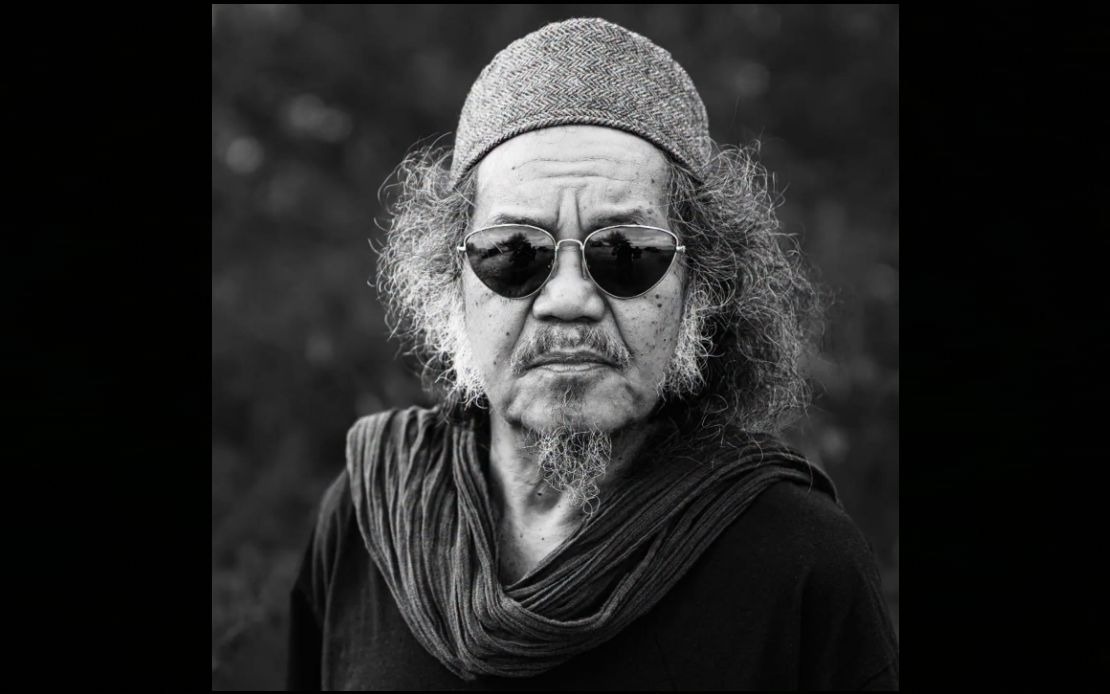
Communications Minister Datuk Seri Fahmi Fadzil has paid tribute to veteran actor Kamarool Yusoff, who passed away on August 5. Better known by his stage name Cik Man, the celebrated performer left an indelible mark on Malaysia's cinema landscape through decades of memorable roles that captivated audiences across generations.
Fahmi released a statement honouring the late actor's legacy and contributions to the country's cultural heritage. The minister acknowledged that Kamarool's passing represents a significant loss not only to the entertainment industry but to Malaysian society at large, given the profound impact his work had on public consciousness and artistic appreciation throughout the nation.
Among Kamarool's most iconic performances was his portrayal of Farouk, the ruthless leader of the "Gagak Hitam" gang, in the 1986 Malaysian film classic that became a touchstone moment for Malay cinema. This particular role cemented his reputation as a versatile and powerful actor capable of inhabiting complex, morally ambiguous characters with nuance and conviction. The film itself has endured as a cultural milestone, frequently referenced and revisited by film enthusiasts and scholars studying the development of Malaysian cinema during that transformative decade.
The 1980s represented a golden era for Malay cinema, when filmmakers were experimenting boldly with new genres and narratives that pushed beyond conventional storytelling. Fahmi specifically highlighted that viewers who came of age during this period would maintain vivid memories of Kamarool's work, noting that his performances became woven into the collective memory of an entire generation of Malaysians who frequented cinemas during their formative years.
In his tribute, Fahmi emphasized that Kamarool commanded profound respect not merely within the acting community but across all segments of society that valued the arts and cultural preservation. This distinction underscores how certain artists transcend their professional sphere to become cultural ambassadors whose influence extends into the broader fabric of national identity and heritage consciousness.
The minister expressed gratitude for the late actor's enrichment of Malaysia's artistic landscape and his role in creating memories that have endured across decades. Fahmi recognized that Kamarool's body of work constitutes a living archive of Malaysian cinema history, preserving for posterity the creative achievements and technical innovations of his era. By revisiting films featuring the late actor, audiences can trace the evolution of filmmaking techniques, storytelling approaches, and social commentary embedded in Malaysian productions from that period.
Fahmi concluded his remarks with traditional Islamic prayers for the deceased, invoking mercy upon Kamarool's soul and asking that he be granted a place among the righteous. Such sentiments reflect the cultural and religious dimensions of mourning within Malaysian society, where public figures often emphasize the spiritual significance of departures and the hope for peaceful rest in the afterlife according to Islamic teachings.
Kamarool's passing marks the end of an era in Malaysian cinema history. His career spanned multiple decades during which he witnessed and participated in significant transformations within the film industry, from technical advancements in cinematography to shifts in audience preferences and thematic concerns. The actor's ability to remain relevant and compelling across different eras of filmmaking speaks to his fundamental talent and commitment to his craft.
For Malaysian audiences and cinema scholars, Kamarool's filmography represents valuable cultural documentation. His performances captured not only entertainment value but also reflected social attitudes, fashion sensibilities, and cultural preoccupations of the periods in which the films were produced. Rewatching his work today offers contemporary audiences windows into Malaysia's recent past and the artistic conversations that were occurring within society during specific historical moments.
The loss of actors like Kamarool underscores the importance of documenting and preserving Malaysia's cinematic heritage before such memories fade entirely from living memory. Film archives, retrospectives, and scholarly analysis of his work ensure that future generations of Malaysians can access and learn from the artistic achievements of previous eras. Such preservation efforts contribute to maintaining continuity in national cultural consciousness and preventing the erasure of important historical narratives embedded within popular entertainment.
Kamarool's contributions extend beyond individual performances to encompassing his role in establishing templates and possibilities for Malaysian cinema itself. Actors who successfully inhabit challenging roles help expand the range of stories that filmmakers believe audiences will accept and appreciate. By demonstrating through his work that Malay cinema could sustain complex characters and morally nuanced narratives, Kamarool helped pave pathways for subsequent generations of actors and filmmakers to pursue more ambitious creative projects.
The tributes paid by government officials like Fahmi reflect Malaysia's recognition that the arts represent essential components of national identity and cultural continuity. When government leaders formally acknowledge the contributions of artists, they signal to society that cultural work merits serious recognition alongside political and economic achievements. This recognition helps ensure that artistic endeavors remain valued within the national conversation and that individuals who dedicate their lives to creative pursuits receive appropriate acknowledgement for their service.

