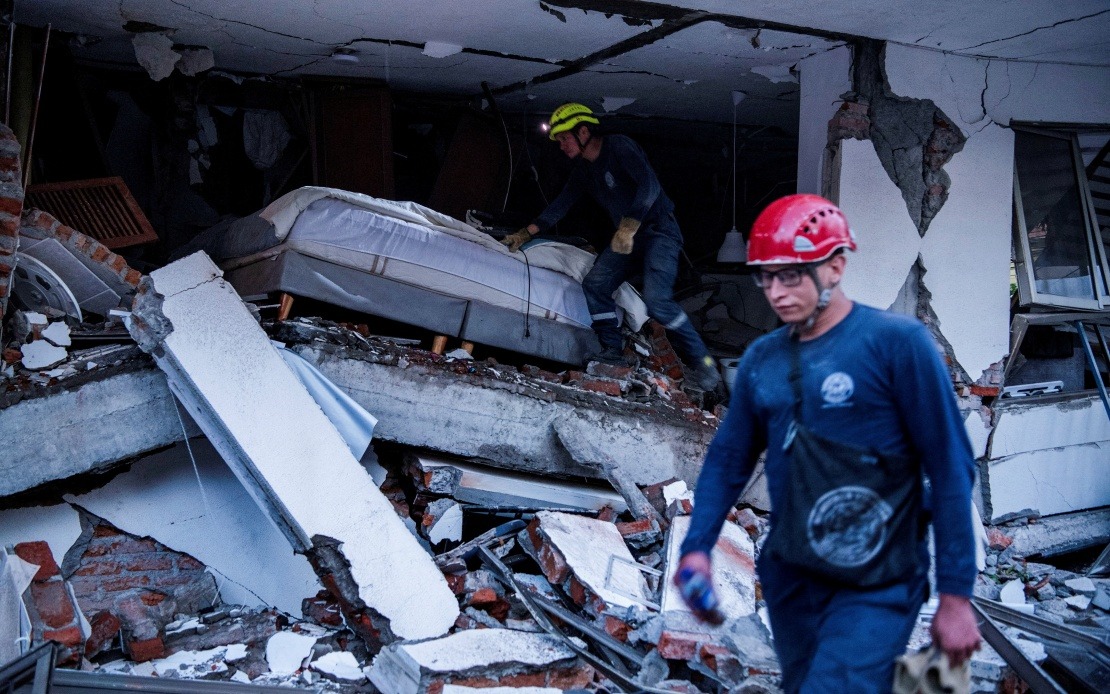
Western Colombia faces a humanitarian crisis following a devastating 7.4-magnitude earthquake that struck on Monday morning, leaving at least 132 people dead and over 570 injured. The tremor, which hit at 7:34 am local time near San Jose del Palmar in Choco department at a depth of 96 kilometres, has emerged as one of the region's most significant seismic events in recent years, prompting an immediate declaration of national disaster by President Abelardo de la Espriella.
The geographical distribution of casualties underscores the quake's uneven but severe impact across multiple population centres. Pereira, situated in the coffee-growing region of Risaralda, has been hardest hit with 60 confirmed deaths, representing nearly half the national toll. Cali, the nation's third-largest city in Valle del Cauca, recorded 15 fatalities, while Quibdo in Choco reported eight deaths and Manizales in Caldas accounted for four. These disparities likely reflect variations in building construction standards, population density, and the distance of each city from the epicentre.
The spatial extent of damage demonstrates the earthquake's far-reaching consequences beyond the immediate epicentral zone. Thirty-two municipalities across Colombia have sustained serious structural damage, fundamentally disrupting normal life for millions of residents. Most critically, five departmental capitals—Pereira, Cali, Quibdo, Manizales, and Armenia—remain under red alert status, signifying that emergency services and authorities continue to assess ongoing dangers and manage recovery operations. This alert level typically indicates heightened risks of secondary disasters, such as aftershocks triggering further building collapses or landslides in mountainous terrain.
Infrastructural damage has compounded the humanitarian challenge. A total of 86 buildings have collapsed across affected regions, a figure that likely reflects only preliminary counts as search and rescue teams continue operations. The destruction has extended to critical transportation infrastructure, with seven airports suspending operations due to earthquake-related damage. These closures threaten to isolate affected communities and complicate the delivery of emergency medical supplies, food, and rescue personnel to the most devastated areas.
The Colombian government's immediate response, centred on the national disaster declaration, represents an effort to mobilise resources and coordinate relief efforts across federal, regional, and municipal authorities. Such declarations typically unlock emergency funding, allow the deployment of military assets for rescue operations, and simplify bureaucratic procedures that might otherwise slow humanitarian response. The declaration reflects the scale of infrastructure damage and anticipated long-term recovery needs across multiple sectors.
International concern has extended to diaspora communities, particularly given Colombia's substantial outbound migration. The Chinese Embassy in Colombia activated emergency protocols immediately following the earthquake to assess the welfare of Chinese nationals working or residing in the country. As of official reporting, no casualties among Chinese citizens have been documented, though embassy officials continue verifying the status of nationals across all affected regions. This pattern of international response underscores how modern earthquakes create immediate transnational dimensions requiring coordination between governments.
The seismic context matters for understanding Colombian vulnerability. The country sits along the Pacific Ring of Fire and experiences regular tectonic activity due to subduction zones and active fault systems. However, the intensity and death toll of this particular event reflect broader challenges in earthquake preparedness, building code enforcement, and infrastructure resilience that affect many developing nations in seismically active regions. Western Colombia, in particular, combines mountainous terrain prone to secondary hazards with rapid urban development that has not always prioritised earthquake-resistant construction standards.
For Southeast Asian nations, this Colombian disaster carries indirect but relevant lessons. Many countries in the region—particularly Indonesia, the Philippines, and Malaysia—face similar seismic risks and contend with comparable challenges of urbanisation, building safety standards, and emergency response coordination. The scale and speed of Colombia's casualties offer a sobering reminder of the importance of comprehensive disaster preparedness frameworks, building code compliance monitoring, and regular earthquake simulations that involve multiple government agencies and civil society.
The recovery phase will likely extend for months or years, depending on the structural integrity of buildings deemed repairable versus those requiring demolition and reconstruction. Historical precedent suggests that post-earthquake recovery often reveals underlying inequalities, as wealthier communities with better-constructed buildings experience less displacement and loss compared to informal settlements and lower-income neighbourhoods. Colombian authorities will face pressure to ensure equitable reconstruction that addresses both immediate humanitarian needs and longer-term resilience building.

