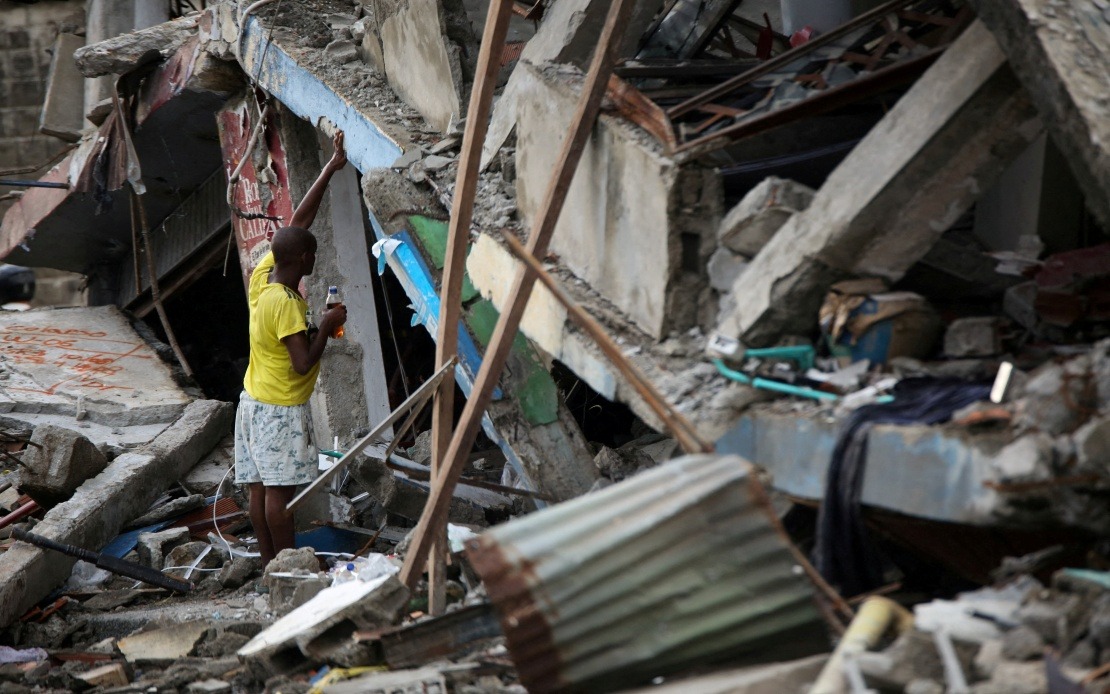
Colombia is grappling with a catastrophic convergence of natural disasters that has pushed the nation's emergency response infrastructure to breaking point. Hundreds of active wildfires are racing across the country with frightening speed, even as rescue and relief teams remain heavily engaged in recovery operations stemming from a powerful 7.4 magnitude earthquake that struck on August 10. The simultaneous crises have created an almost unbearable strain on firefighting and disaster management resources, leaving authorities scrambling to mount adequate responses on multiple fronts.
The scale of the wildfire emergency is staggering. The Institute of Hydrology, Meteorology and Environmental Studies (IDEAM) has declared a red alert covering 344 municipalities, representing an extraordinary 93 per cent surge in fire warnings recorded in a single day. This explosive growth reflects the combination of extreme heat and exceptionally dry atmospheric conditions that have transformed much of the country into a tinderbox. The blazes are concentrated in the departments of Tolima, Cesar, Norte de Santander, Antioquia, Narino and Santander, though the geographic distribution suggests the problem is far from contained to any single region.
Emergency authorities have mobilised an impressive array of resources in attempting to suppress the fires. Firefighting units, military personnel, general emergency responders, and aircraft with aerial firefighting capability have been deployed across affected areas. Yet despite these efforts, officials openly acknowledge severe staffing shortages that hamper their ability to respond effectively. Crews from departments including Risaralda, itself damaged by the recent earthquake, have been redirected to wildfire duty, further fragmenting an already overstretched emergency services network. The mathematical reality is simple: the number of active conflagrations now vastly exceeds the personnel and equipment available to suppress them simultaneously.
The environmental damage already tallied is sobering. Across multiple municipalities, destroyed vegetation, agricultural crops, and residential structures cover more than 11,000 hectares. This represents not merely an immediate threat to communities but a longer-term ecological and economic disaster, with implications for food security, water availability, and rural livelihoods extending well beyond the immediate fire season. The destruction of agricultural areas is particularly concerning given Colombia's reliance on farming in many affected regions.
Underlying this immediate crisis is a deeper climate pattern that meteorological experts warn will persist for many months. IDEAM forecasts indicate a 90 per cent probability that El Niño conditions will remain entrenched through early 2027, with the most intense temperature anomalies expected to peak toward year's end. This projection suggests that the current wildfire surge may represent only the opening phase of a prolonged period of elevated fire risk, drought stress, and heat-related hazards across the Colombian landscape.
The earthquake that preceded this wildfire crisis was itself devastating. The August 10 tremor killed 288 people, injured 4,018 others, completely destroyed 12,504 homes, and damaged a further 80,000 structures across affected provinces. Emergency response teams are still engaged in rescue operations, conducting damage assessments, and establishing temporary shelter and supply distribution networks for displaced populations. The psychological and logistical demands of managing this ongoing recovery effort consume substantial resources and administrative attention.
Complicating the crisis further is the emergence of a third natural hazard demanding simultaneous management. The Purace volcano in the southern department of Cauca is showing heightened activity, forcing national risk management agencies to maintain vigilant monitoring and contingency planning. The prospect of a volcanic event occurring amid the earthquake recovery and wildfire emergency would represent a genuinely catastrophic scenario, yet authorities must nevertheless maintain preparedness protocols.
For Malaysia and Southeast Asian observers, Colombia's predicament carries important lessons about the cascading nature of natural disasters in an era of climate instability. The combination of earthquake damage, extreme heat, drought conditions, and volcanic activity demonstrates how multiple hazards can converge to overwhelm even well-prepared national emergency systems. The El Niño persistence through 2027 also carries implications for Southeast Asia, where similar climate patterns influence monsoon behaviour and fire seasons, particularly across Indonesia and Malaysia.
The Colombian experience underscores the critical importance of pre-disaster capacity building, adequate permanent staffing for emergency services, and regional cooperation frameworks that allow neighbouring countries to rapidly deploy personnel and equipment during major crises. When individual nations face simultaneous, large-scale disasters, mutual aid agreements and standing regional response mechanisms become essential. The shortage of firefighters and emergency personnel now evident in Colombia might have been mitigated through pre-established agreements with neighbouring countries willing to rapidly contribute specialists during emergencies.
Looking forward, Colombia faces a potentially extended period of elevated natural hazard risk. The confluence of El Niño-driven heat, earthquake-destabilised terrain, and persistent volcanic activity suggests that the current emergency may evolve into a protracted crisis spanning months. Recovery from the earthquake alone would normally absorb institutional capacity for an extended period; the addition of widespread wildfires transforms this into an emergency of exceptional complexity requiring sustained international attention and support.

