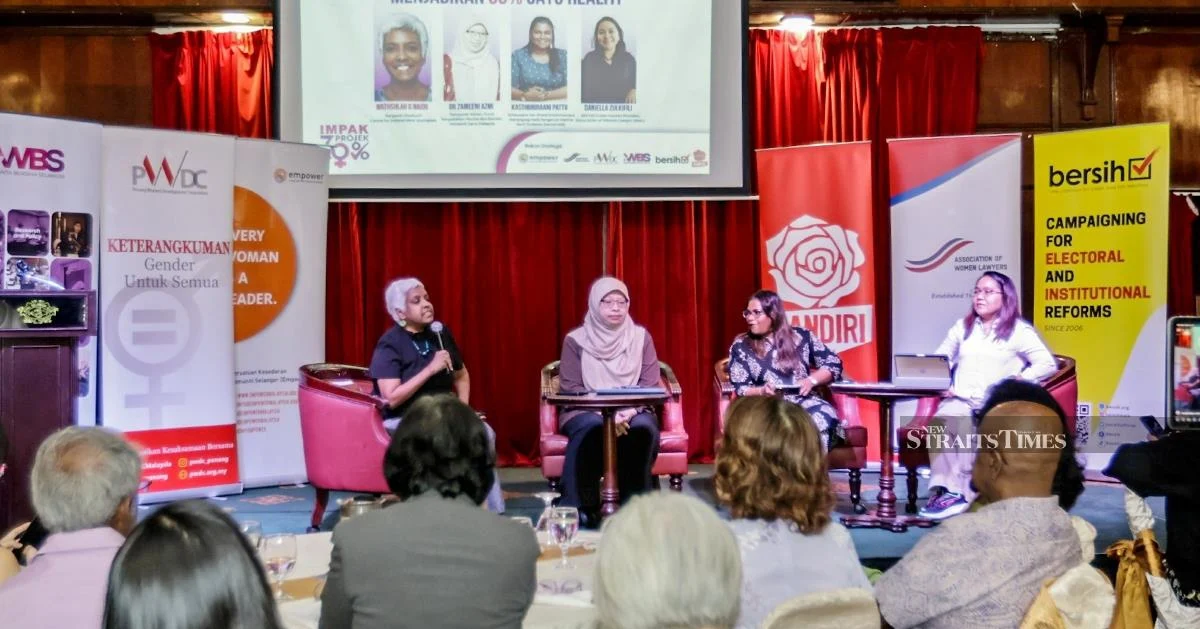
A broad coalition of civil society organisations has formally presented a memorandum and legislative proposal to Malaysia's government, advancing a long-standing campaign to mandate greater female representation in electoral politics. The submission calls for a binding requirement that all political parties nominate a minimum 30 per cent quota of women candidates for the next general election, representing a significant step towards addressing the persistent gender imbalance in parliamentary constituencies.
The move reflects growing recognition among activist groups and civil society that voluntary measures and awareness campaigns have failed to substantially increase women's political participation over successive electoral cycles. Malaysia's existing parliamentary representation remains heavily skewed towards male lawmakers, with women making up a minority of elected representatives despite comprising half the electorate. This demographic reality has prompted organised civil society to seek legislative intervention rather than relying on parties' own commitments to gender diversity.
The 30 per cent threshold carries considerable symbolic and practical weight within regional advocacy circles. It mirrors targets adopted by international bodies and regional neighbours, positioning Malaysia within a broader Southeast Asian conversation about gender equality in governance. The proposed legislation would theoretically create a level playing field, preventing individual parties from gaining competitive advantage by neglecting women candidates while competitors do likewise. Current absence of such regulation means parties can justify low female candidacy through electoral calculus rather than principled opposition.
Civil society's formal submission through memorandum and draft legislation signals a shift in strategy from lobbying individual party leaders to creating structural, legal safeguards. This approach acknowledges that piecemeal promises from party machinery have not translated into systemic change. By framing the issue as a legal requirement rather than a courtesy request, organisations are attempting to elevate women's candidacy from a voluntary corporate social responsibility exercise to a fundamental democratic standard.
The timing around the next general election adds urgency to the advocacy. Political party machinery typically begins candidate selection cycles well in advance of polling day, and cementing legal requirements before this process accelerates could influence nomination decisions across the board. Waiting until after the election would mean another five years of parliamentary composition determined without the proposed quota mechanism in place.
Implementation challenges loom large, however. Political parties might resist legislation perceived as limiting their freedom to select candidates, and defining enforcement mechanisms presents practical complications. Questions arise about how parties would accommodate the quota across diverse electoral districts and whether adjustments would be required if insufficient women candidates come forward—a scenario unlikely given Malaysia's educated female workforce but one parties might invoke in bad faith. International experience shows that quota systems require robust oversight bodies and transparent reporting mechanisms to function effectively.
The proposal also intersects with broader discussions about electoral reform and democratic renewal in Malaysia. Advocates argue that increasing women's political participation directly strengthens democracy by bringing diverse perspectives into legislative deliberation and ensuring governance reflects the interests of all citizens. Women-led research has consistently demonstrated that parliament functions more effectively when gender composition approaches demographic reality, with measurable improvements in legislative output quality and community responsiveness.
For Malaysian voters, particularly women navigating the workforce and household responsibilities simultaneously, greater female representation offers both symbolic and practical significance. Women lawmakers historically champion policies addressing childcare, maternity benefits, workplace discrimination, and family law—issues directly affecting millions of Malaysian women. Current parliamentary deficits in female voices mean these concerns often receive insufficient policy attention relative to their impact on constituencies.
Regionally, Malaysia's progress on this issue will be closely observed by civil society movements across Southeast Asia. Countries including Indonesia, Philippines, and Thailand have experimented with various quota mechanisms and legal requirements for female candidacy. Malaysia's approach could either establish regional best practice or highlight governance gaps relative to neighbours, with implications for the nation's standing within ASEAN women's rights networks.
The government's response to this submission will reveal official willingness to embrace structural reform on gender representation. Even if current administration exhibits openness, persistence across election cycles remains uncertain—future governments might reverse or weaken such legislation if party political interests demand flexibility. This reality explains why civil society is pushing for legal codification rather than accepting administrative guidelines or party-level agreements.
Experts note that successful quota implementation typically requires building consensus across political spectrum, with both government and opposition parties seeing mutual benefit in standardised rules. If legislation establishes common baseline expectations, no party can fault competitors for meeting minimum standards, removing a potential objection to reform. Conversely, if quota requirements appear to advantage particular parties, resistance will harden regardless of gender equity merits.
The submission represents a critical juncture in Malaysia's ongoing negotiation over democratic representation and women's political role. Civil society has moved beyond rhetorical advocacy into concrete legislative proposals, forcing government to either engage substantively with reform or formally reject increased female candidacy as state policy. Either outcome clarifies where Malaysia stands internationally on gender and democracy—clarity that both advocates and ordinary Malaysians deserve as election cycles approach.