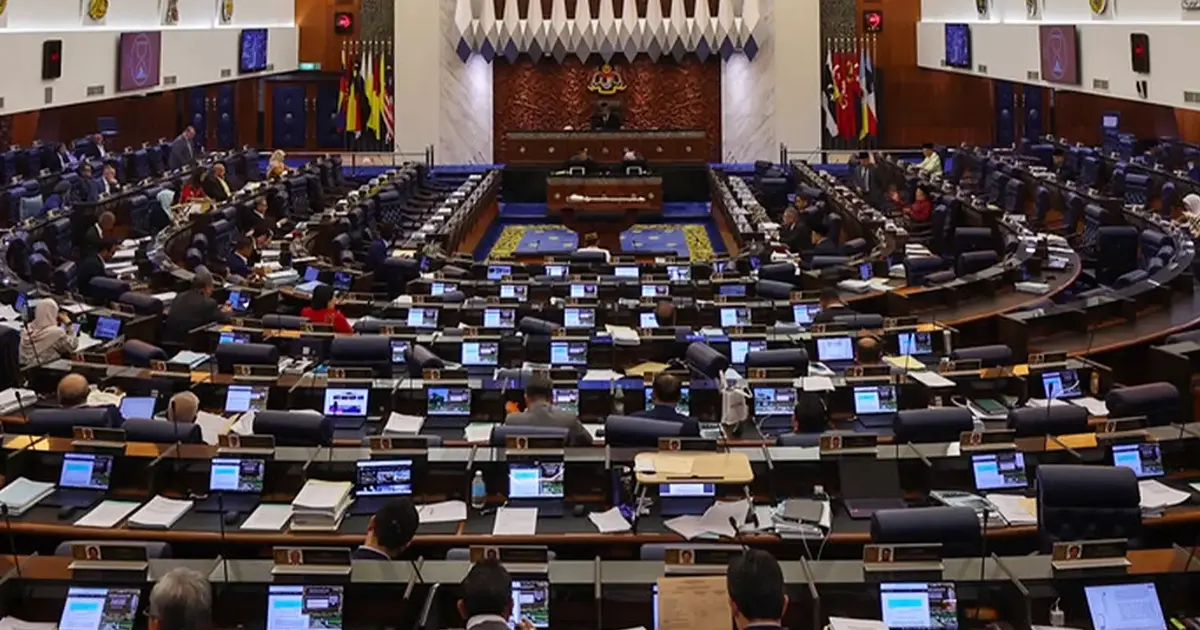
A coalition of Malaysian non-governmental organisations has issued an urgent appeal for political stability and institutional renewal, urging the Prime Minister to broker a comprehensive reform agreement between the ruling government and opposition parties before the 16th general election. The call reflects growing concerns within civil society about the need for consensus-based governance reforms that transcend party lines and partisan divisions, positioning such collaboration as essential to strengthening Malaysia's democratic institutions and public trust in government.
The NGO coalition has specifically advocated for a high-level summit bringing together the Prime Minister, senior government ministers, and key opposition leadership. The proposed gathering would aim to establish a shared commitment to electoral and parliamentary reforms, with implementation timelines clearly defined before voters head to the polls for GE16. This approach represents a departure from Malaysia's traditional pattern of piecemeal, single-party driven reforms, instead proposing a negotiated framework that binds multiple political actors to agreed objectives regardless of electoral outcomes.
Civil society organisations emphasise that parliamentary stability and completion of the current term is a prerequisite for meaningful institutional reform. They argue that political certainty allows governments to pursue longer-term policy changes without the disruption caused by premature elections or coalition instability. Malaysia has experienced significant political turbulence in recent years, with multiple changes of administration and shifting parliamentary configurations that have interrupted governance continuity and stalled important legislative agendas. Securing agreement that Parliament will complete its full term would provide the structural foundation necessary for cross-party reform initiatives to take root and mature.
The reform agenda envisioned by these organisations encompasses several key areas. Electoral transparency, campaign financing regulations, and mechanisms to strengthen parliamentary oversight are prominent priorities. Additionally, many groups advocate for reforms enhancing constitutional protections, improving whistleblower safeguards, and establishing clearer ethical standards for public officials. These issues transcend traditional left-right political divisions and appeal to stakeholders across the political spectrum who recognise that institutional strength benefits all parties over the long term.
For Malaysian readers and regional observers, this development carries significant implications. Malaysia's democratic institutions have come under scrutiny in recent years, with concerns about governmental accountability and legislative effectiveness. A credible cross-party reform pact could signal to domestic constituencies and international observers that Malaysia's political elite recognise the need for institutional strengthening. Such collaboration might also demonstrate that partisan competition can coexist with commitment to shared democratic principles, providing an important model for Southeast Asia's evolving democracies.
The NGO initiative responds partly to a pattern of governance disruption. Since 2018, Malaysia has experienced rapid changes in parliamentary coalitions, government composition, and ministerial reshuffles. Each transition has created uncertainty affecting everything from economic policy continuity to civil service stability. Civil society groups argue that establishing bipartisan commitment to reforms would transcend these cyclical disruptions and anchor institutional improvements across electoral cycles. A sitting Prime Minister cannot guarantee the next government's compliance with unilateral reforms, but a consensus agreement signals genuine institutional commitment.
The proposed summit format itself carries strategic significance. Rather than waiting for a new government post-election, the organisations urge immediate negotiation while current political leadership holds office and possesses leverage to commit their respective parties. This timing consideration reflects awareness that post-election governments often face pressure to discard predecessor commitments or prioritise partisan agendas over inherited agreements. Securing buy-in beforehand, when opposition parties can negotiate credibly, maximises the likelihood that reforms survive political transitions.
International experience suggests both opportunities and pitfalls in cross-party reform pacts. Some democracies have successfully implemented bipartisan electoral and constitutional reforms, while others have seen agreements collapse when political incentives shift. Success typically requires strong civil society monitoring, clear implementation mechanisms with defined accountability, and genuine commitment from political leaders beyond rhetorical endorsement. Malaysian civil society's push for a formal summit reflects understanding that vague commitments lack enforcement capacity and that structured processes increase durability.
The NGO call also reflects frustration with incremental or partial reforms that fail to address systemic issues comprehensively. Previous attempts at electoral or parliamentary reform have often stalled due to partisan calculation or concern that changes might disadvantage incumbent actors. A cross-party framework theoretically neutralises such concerns by affecting all parties symmetrically. If ruling and opposition coalitions both agree that certain reforms strengthen democratic institutions, neither should fear asymmetric disadvantage.
Regional context matters significantly. Several Southeast Asian democracies struggle with similar concerns about institutional strength, electoral credibility, and public trust. If Malaysia successfully implements a genuine cross-party reform agenda, it could provide valuable lessons for neighbouring nations navigating comparable challenges. Conversely, failure to achieve meaningful agreement or cosmetic pacts that prove ineffectual would reinforce regional scepticism about whether political actors genuinely prioritise democratic institutional development over partisan advantage.
The proposed summit represents a moment for Malaysian political leadership to demonstrate whether parties can transcend competitive divisions when institutional stakes are high. Civil society organisations recognise that reform ultimately depends on political will. Their advocacy aims to create public pressure and establish clear expectations for what genuine commitment to cross-party collaboration should entail. By framing the summit as both necessary and feasible, NGOs position institutional reform not as optional enhancement but as essential to Malaysia's democratic trajectory and regional standing.

