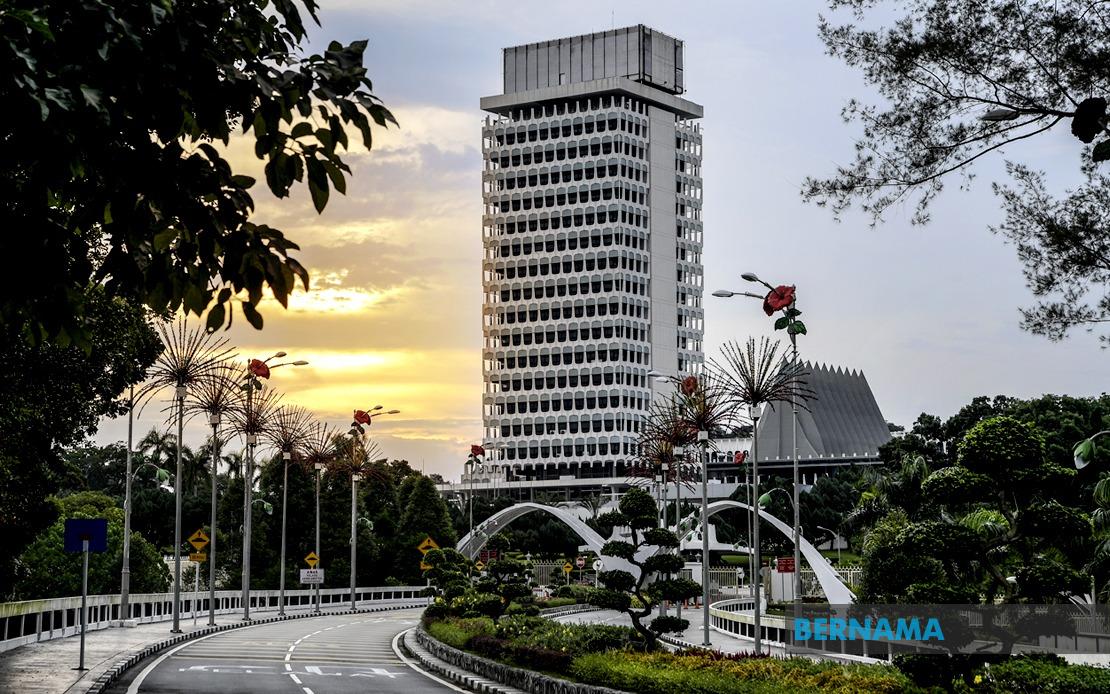
A broad coalition of Malaysian civil society groups has thrown its weight behind efforts to stabilise parliamentary governance, calling for the 15th Parliament to serve its complete term through December 18, 2027. The statement from 44 non-governmental organisations and 25 individuals represents a significant push from Malaysia's civil society sector to establish institutional continuity and protect the parliamentary system from premature dissolution. The groups have made clear that they expect Parliament to remain intact unless the government explicitly loses the confidence of a majority of Members of Parliament, establishing a critical threshold that would require genuine loss of legislative support rather than political manoeuvre.
The coalition, coordinated through Project Stability and Accountability for Malaysia (Projek SAMA) and including heavyweight organisations such as Bersih, ABIM, C4 Center, and IDEAS, has positioned itself as a neutral stakeholder above partisan politics. By securing endorsement across civil society, the groups have elevated this beyond a narrowly partisan plea, instead framing it as a matter of national institutional health. This approach carries particular weight in Malaysia's political context, where concerns about democratic backsliding and constant political flux have prompted sustained scrutiny from the citizen sector.
Central to the coalition's case is a call for Prime Minister Datuk Seri Anwar Ibrahim to convene a cross-party leaders' summit bringing together both government and opposition parties represented in Parliament. Such a forum, the organisations argue, could forge consensus around a joint reform agenda for the remaining parliamentary term. The proposal assumes that shared interest in institutional strengthening transcends partisan divides, potentially providing a pathway toward longer-term governance improvements that no single administration could impose unilaterally.
The reform package outlined by the civil society groups is comprehensive and ambitious. High on the agenda is constitutional amendment to decouple the roles of Attorney General and Public Prosecutor, a longstanding governance concern that gained urgency following Malaysia's earlier political upheavals. The coalition also proposes imposing a 10-year limit on prime ministerial tenure, directly addressing historical anxieties about concentration of executive power. These constitutional reforms would require sustained parliamentary focus and cross-party negotiation, underscoring why a full parliamentary term matters for their realisation.
Beyond constitutional matters, the groups advocate for new legislation addressing transparency and accountability. Drafting of the Ombudsman Act would establish an independent complaints mechanism for citizens aggrieved by government action, while a Freedom of Information Act would increase state transparency. These measures align with international best practices and respond to persistent Malaysian complaints about opaque governance. Additionally, the coalition proposes laws mandating equitable distribution of constituency development allocations regardless of which party an individual Member of Parliament represents, potentially reducing the partisan weaponisation of development resources.
Electoral system reform features prominently in the coalition's agenda. The groups call for amendments to the Election Offences Act 1954 and expansion of postal and absentee voting for Malaysians overseas or residing outside their home states, issues that have gained momentum as growing numbers of Malaysians live abroad or across state lines. More substantially, they propose introducing party-list proportional representation at state assembly level to complement the first-past-the-post system, a structural change that would require careful implementation but could enhance representation of marginalised groups including women, youth, Orang Asli communities, and ethnic minorities.
Parliamentary strengthening constitutes another pillar of the reform agenda. The coalition advocates for empowering parliamentary committees, streamlining budget drafting and review processes, and creating space for Private Members' Bills to be tabled, debated, and passed. These procedural reforms would enhance Parliament's capacity for scrutiny and deliberation, shifting the institution from a rubber-stamp body toward a more genuinely deliberative forum. For Malaysian observers concerned about the concentration of power in the executive and prime minister's office, such reforms carry symbolic and practical significance.
The coalition has explicitly urged all 13 state governments to enact parallel legislation ensuring development allocations are distributed transparently and equitably among all assemblymen irrespective of party affiliation. This represents an attempt to establish reform momentum across multiple governance levels simultaneously. The proposal recognises that state governments wield substantial development budgets and that entrenching equitable distribution practices at state level could create pressure for federal alignment.
Particularly noteworthy is the coalition's call for advance notice of parliamentary or state assembly dissolution if governments do not intend serving full terms. This procedural transparency would allow voters, the Election Commission, law enforcement, civil servants and other stakeholders to prepare comprehensively for electoral contests. In a Malaysian context where sudden dissolution announcements have disrupted planning and created advantages for incumbent administrations, such notice requirements would level the playing field and enhance democratic fairness.
The civil society push arrives at a moment when Malaysia grapples with questions about political stability and whether the constant cycle of elections and government transitions serves national interests. For Malaysian policymakers and business leaders, the message is clear: sustained institutional reform requires political settlement and parliamentary continuity. The coalition's framing suggests that all parties benefit from strengthened democratic institutions and cleaner governance systems, regardless of which coalition currently holds power.
The success of this initiative will depend heavily on whether Malaysia's political leadership responds to civil society pressure. Prime Minister Anwar Ibrahim faces a choice between dismissing the concerns as interference in parliamentary affairs or seizing the opportunity to convene serious dialogue about Malaysia's democratic future. For regional observers watching Malaysia's political trajectory, the coalition's statement reflects deepening civil society engagement in constitutional questions and institutional reform, a development suggesting that Malaysian democratic discourse is maturing beyond electoral cycles toward longer-term systemic thinking.

