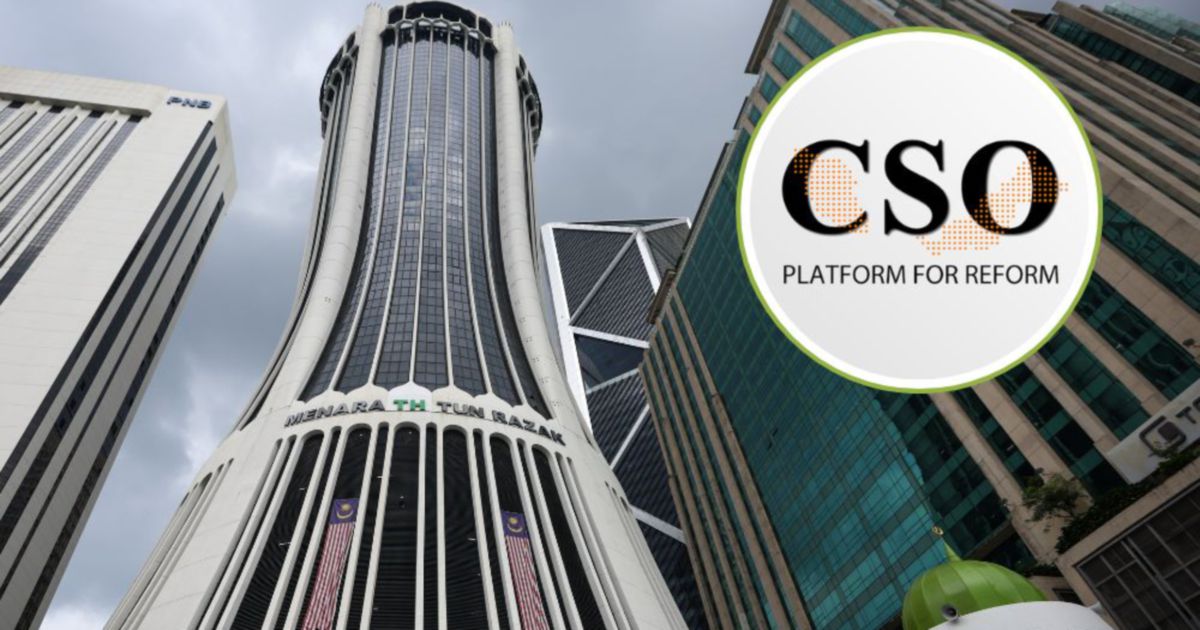
Civil society organisations in Malaysia have intensified pressure on authorities to launch a fully independent investigation into the systemic failures that undermined Lembaga Tabung Haji, the Islamic pilgrimage savings body that serves millions of Muslim Malaysians. The CSO Platform for Reform released its statement following the completion of the Royal Commission of Inquiry report, which detailed serious governance lapses within the institution.
The call for an impartial probe represents a significant development in accountability efforts surrounding one of Malaysia's most important religious and financial institutions. Tabung Haji's mismanagement has not only affected the savings of individual depositors but has also damaged public trust in religiously-affiliated financial entities. Civil society groups argue that a transparent investigation remains essential to understand how such extensive institutional breakdown could occur within an organisation that enjoys statutory status and operates in a heavily regulated sector.
The CSO Platform emphasises that any investigation must operate independently of political influence and possess genuine investigative authority to examine decision-making at all levels. This demand reflects broader concerns about Malaysia's accountability mechanisms, particularly when government-linked institutions face scrutiny. The platform's insistence on independence suggests scepticism about whether existing internal or partial reviews could adequately address the scope and complexity of Tabung Haji's difficulties.
Tabung Haji's collapse has become emblematic of institutional governance failures in Malaysia. The savings institution, which manages billions of ringgit entrusted by Muslims preparing for the hajj pilgrimage and retirement, suffered severe financial deterioration that left depositors and pilgrims exposed to substantial losses. The RCI report documented management failures, questionable investment decisions, and inadequate oversight mechanisms that permitted the institution's condition to deteriorate without sufficient intervention.
For Malaysian Muslim depositors—a constituency numbering in the millions—the Tabung Haji crisis represents a profound betrayal of institutional responsibility. Many ordinary citizens placed their lifelong savings with the organisation specifically because of its religious and governmental backing, believing such status guaranteed appropriate stewardship. The revelation that institutional safeguards failed comprehensively has prompted demands for rigorous accountability beyond internal restructuring efforts.
Civil society organisations typically push for independent investigations when they perceive conflicts of interest or insufficient objectivity within governmental or semi-governmental processes. The CSO Platform's intervention suggests doubt that either Tabung Haji's own management or existing ministerial oversight could deliver credible findings capable of restoring institutional credibility. An independent probe, civil society groups argue, would be better positioned to examine potential criminal conduct, identify specific individuals responsible for failures, and recommend systemic reforms.
The timing of these demands coincides with ongoing governance discussions at higher levels regarding Tabung Haji's restructuring and recovery. Authorities have initiated various remedial measures, including leadership changes and operational reviews. However, civil society contends that restoration efforts cannot proceed credibly without first establishing a comprehensive factual record through transparent investigation. Such a foundation, they argue, is necessary for public confidence and institutional legitimacy.
Malaysia's regulatory framework for religious and pilgrimage-related institutions has faced increasing scrutiny following the Tabung Haji episode. The independent investigation that civil society seeks would likely examine whether regulatory oversight mechanisms were adequate, whether early warning systems functioned properly, and whether relevant agencies possessed sufficient authority to intervene decisively when problems emerged. These findings could inform legislative and regulatory reforms affecting similar institutions across Malaysia and potentially the broader Islamic financial sector.
For Southeast Asian observers, the Tabung Haji situation illustrates challenges common across the region: ensuring robust governance within religious and semi-governmental entities that command public trust but operate with less transparency than commercial institutions. Civil society's call for independent investigation reflects recognition that institutional reform without credible accountability risks perpetuating the underlying governance deficiencies that enabled the original collapse.
The CSO Platform's emphasis on comprehensive investigation reflects understanding that partial or limited inquiries cannot adequately address institutional failures of such magnitude. A thorough probe would need to examine investment decision-making processes, examine relationships between management and external parties, assess the adequacy of internal controls, and determine whether specific individuals acted with deliberate impropriety or significant negligence. Only such comprehensive analysis can establish the foundation necessary for meaningful reform.
Stakeholder confidence in any Tabung Haji recovery programme will substantially depend on whether investigations satisfy legitimate public demands for accountability. Civil society groups recognise that deposits entrusted to the institution represent not merely financial assets but expressions of trust in Malaysia's institutional integrity. Restoring that trust requires demonstrating that institutional failures have been honestly examined, responsibility appropriately assigned, and reforms implemented based on clear understanding of what went wrong.
The broader implications extend to Malaysia's regulatory environment and institutional governance standards generally. If demands for independent investigation remain unmet, precedent is set that governance failures within religious and quasi-governmental bodies will not face genuinely independent scrutiny. Conversely, facilitating rigorous, transparent investigation sends signals about institutional accountability and sets expectations for governance standards across Malaysia's public and semi-public sector.

