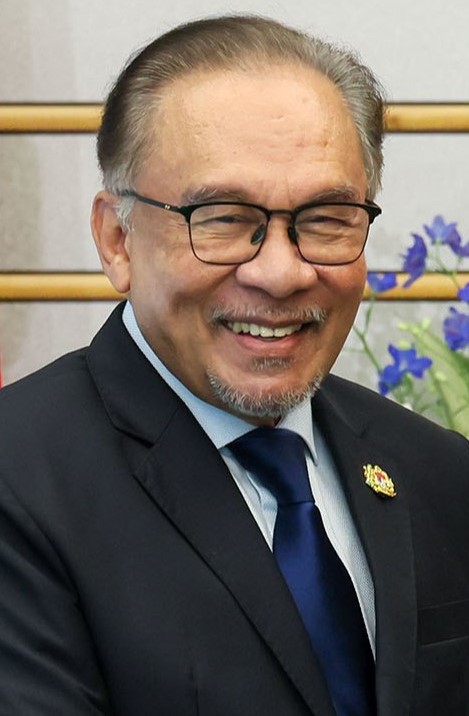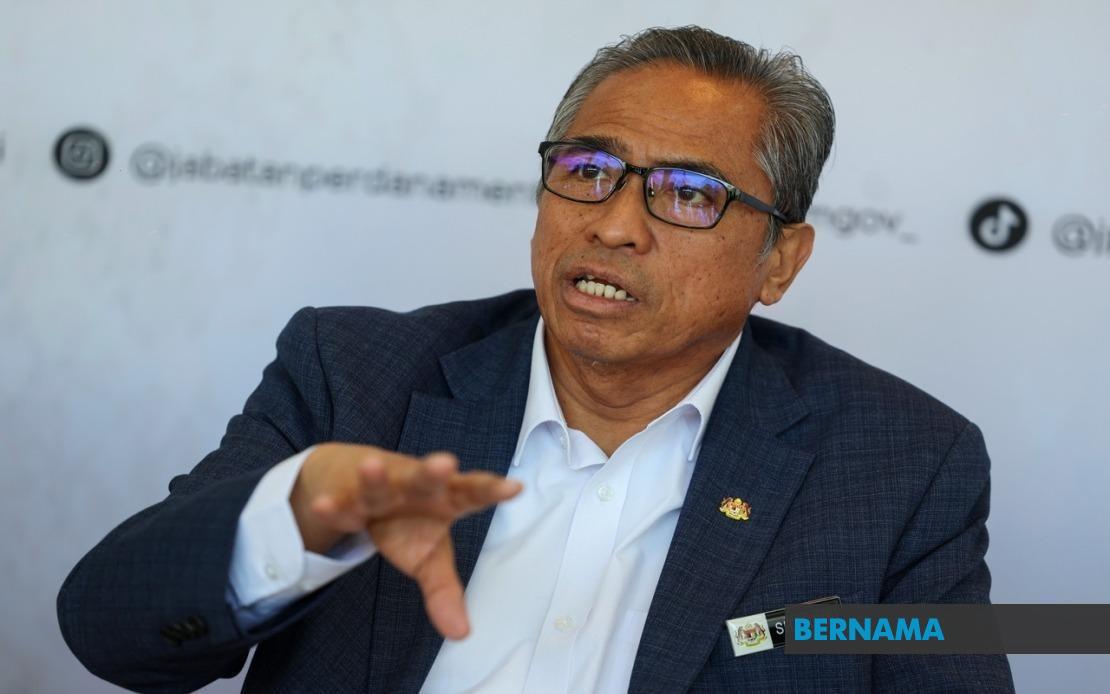
The machinery of Malaysia's public service stands at a critical juncture, tasked with converting the high-level diplomatic groundwork laid by Prime Minister Datuk Seri Anwar Ibrahim into concrete economic gains that benefit ordinary Malaysians. This message was underscored by Chief Secretary to the Government Tan Sri Shamsul Azri Abu Bakar, who framed the civil service as the essential implementation arm without which even the most ambitious foreign policy initiatives risk remaining symbolic gestures. Speaking in Kuala Lumpur on June 24, Shamsul Azri stressed that the recent working visits to Russia and Turkmenistan represent more than diplomatic courtesy calls—they constitute strategic openings that demand immediate, coordinated action across multiple government departments.
The Prime Minister's engagement with Moscow and Astana has positioned Malaysia as a nation willing to diversify its international partnerships beyond traditional Western-aligned relationships, particularly at a moment when global supply chains remain fragmented and emerging economies are actively repositioning themselves within shifting geopolitical currents. These missions carry particular significance for Malaysia's trade prospects, given Russia's substantial natural resources and Turkmenistan's strategic location along major energy and commercial corridors connecting Europe, the Middle East, and Asia. However, as Shamsul Azri emphasized, the window of opportunity created by such high-level visits closes rapidly unless domestic institutions move with corresponding speed and sophistication. The chief secretary essentially warned that without energetic follow-through, Malaysia risks squandering these openings to more nimble competitors equally eager to access Russian and Central Asian markets.
Central to his message is a call for Malaysia's civil service to adopt what he termed a global mindset, moving beyond traditional administrative approaches toward strategic partnerships that transcend conventional frameworks. This represents a subtle but significant shift in how government officials should conceptualize their roles—no longer merely as domestic administrators but as facilitators embedded within international value chains and economic networks. Trade ministries and economic regulators must develop the institutional capacity to rapidly process investment proposals arising from these new relationships, to understand the regulatory environments of Russian and Turkmen counterparts, and to identify complementary sectors where Malaysian expertise or resources might be leveraged. This demand for elevated capacity comes amid broader recognition that Southeast Asian nations face increasing competition from other regions attempting to attract the same pools of international investment and trading partnerships.
The MADANI Diplomacy framework referenced by Shamsul Azri represents the government's broader effort to position Malaysia as a principled yet pragmatic international actor, one willing to engage across ideological and geopolitical divides while advancing national interests. The "Whole-of-Government" approach he urged officials to embrace mandates that departments previously operating in silos—trade, investment, customs, finance, industry—must now coordinate seamlessly to present Malaysia as a unified, efficient destination for international commerce. When a Russian investor or Turkmen energy company contemplates entering Malaysia, they should encounter not fragmented bureaucracies but an integrated ecosystem capable of delivering regulatory clarity, timely approvals, and genuine partnership. The challenge Shamsul Azri implicitly identifies is that many government agencies remain structured around older organizational paradigms ill-suited to modern international competition.
Enhancing Malaysia's "Ease of Doing Business" ranking emerges as a concrete metric through which success will be measured. This initiative directly addresses a persistent weakness in Malaysia's competitive positioning—while the country possesses skilled workers, strategic location, and established infrastructure, foreign investors frequently cite bureaucratic delays and regulatory opacity as deterrents. By deliberately removing friction points in the investment process, Malaysia can transform diplomatic openings into actual capital flows and job creation. The chief secretary's emphasis on "international-class strategic partners" suggests that civil servants should undergo training and professional development geared toward understanding global best practices in investment facilitation, regulatory streamlining, and stakeholder coordination. This is not merely about efficiency for its own sake but about ensuring that Malaysia captures available international capital before it flows to Thailand, Vietnam, or Indonesia.
The link Shamsul Azri draws between international diplomatic success and domestic prosperity warrants careful examination. His framing posits that strategic relationships with Russia and Turkmenistan create pathways to high-income employment for Malaysian workers, secured commodity supplies for domestic industries, and enhanced competitiveness as a global investment hub. The logic here is that deepening trade relationships reduces Malaysia's dependence on narrower commercial corridors, insulates the economy from disruptions in any single market, and positions Malaysian businesses and professionals within larger transnational networks. Energy security, in particular, becomes relevant—expanding relationships with Turkmenistan's significant hydrocarbon reserves could theoretically provide Malaysia with alternative suppliers and more favorable pricing than current arrangements. Similarly, Russian expertise in various industrial sectors and willingness to engage in technology transfer could complement Malaysia's own development ambitions.
The Public Service Reform Agenda (ARPA) referenced by the chief secretary represents an institutional framework designed to modernize Malaysia's bureaucratic apparatus over an extended period. The "internationalisation" enabler within ARPA explicitly aims to build capacity within the civil service to operate effectively across borders and within transnational contexts. This signals recognition that Malaysia's future development depends not on isolated domestic optimization but on integrating Malaysian talent, capital, and institutions into global networks of commerce and innovation. For Malaysian civil servants, this implies career development pathways increasingly tied to international experience, language proficiency, and technical expertise in areas like trade law, investment arbitration, and regulatory harmonization with international standards.
Implementation timelines now become critical. Shamsul Azri's repeated emphasis on speed and agility reflects awareness that diplomatic momentum dissipates without tangible follow-through. Government departments regulating trade, investment, and commerce must translate the Prime Minister's commitments into operational directives, budget allocations, and performance metrics. Ministry officials visiting Moscow and Astana should carry concrete proposals, not merely expressions of interest. Investment promotion agencies must identify specific sectors within Russia and Turkmenistan where Malaysian companies can compete effectively. Financial regulators must determine what new trade finance mechanisms might be needed to facilitate business with partners outside established Western banking corridors. This operational translation from high-level diplomatic engagement to bureaucratic action has historically proven challenging for many developing nations.
The broader Southeast Asian context adds urgency to Malaysia's positioning. Thailand and Vietnam have successfully leveraged multiple international partnerships to diversify their export markets and investment sources. Indonesia, despite its challenges, is deepening relationships across the Islamic world and with Asian powers beyond Japan and South Korea. Malaysia's own strategic positioning as a Muslim-majority nation with global commercial networks positions it uniquely to benefit from relationships with Russia, Turkmenistan, and other non-Western partners. However, competitive advantage in this domain is neither automatic nor permanent. Civil service efficiency, regulatory clarity, and government responsiveness directly determine whether Malaysia captures this potential or watches rivals secure the benefits.
The chief secretary's message ultimately reflects recognition that in the contemporary global economy, sustained advantage flows to nations whose internal institutions can keep pace with their diplomatic ambitions. Malaysia has secured strategic openings through skilled diplomacy; the civil service must now deliver institutional excellence to convert those openings into lasting benefits. This requires not merely good intentions but structural reforms, capacity building, and a fundamental reorientation toward international-class service delivery. The test of MADANI Diplomacy will ultimately lie not in the sophistication of the Prime Minister's speeches but in whether a Russian business executive or Turkmen energy company finds in Malaysia a responsive, efficient, and genuinely attractive partner for long-term engagement.