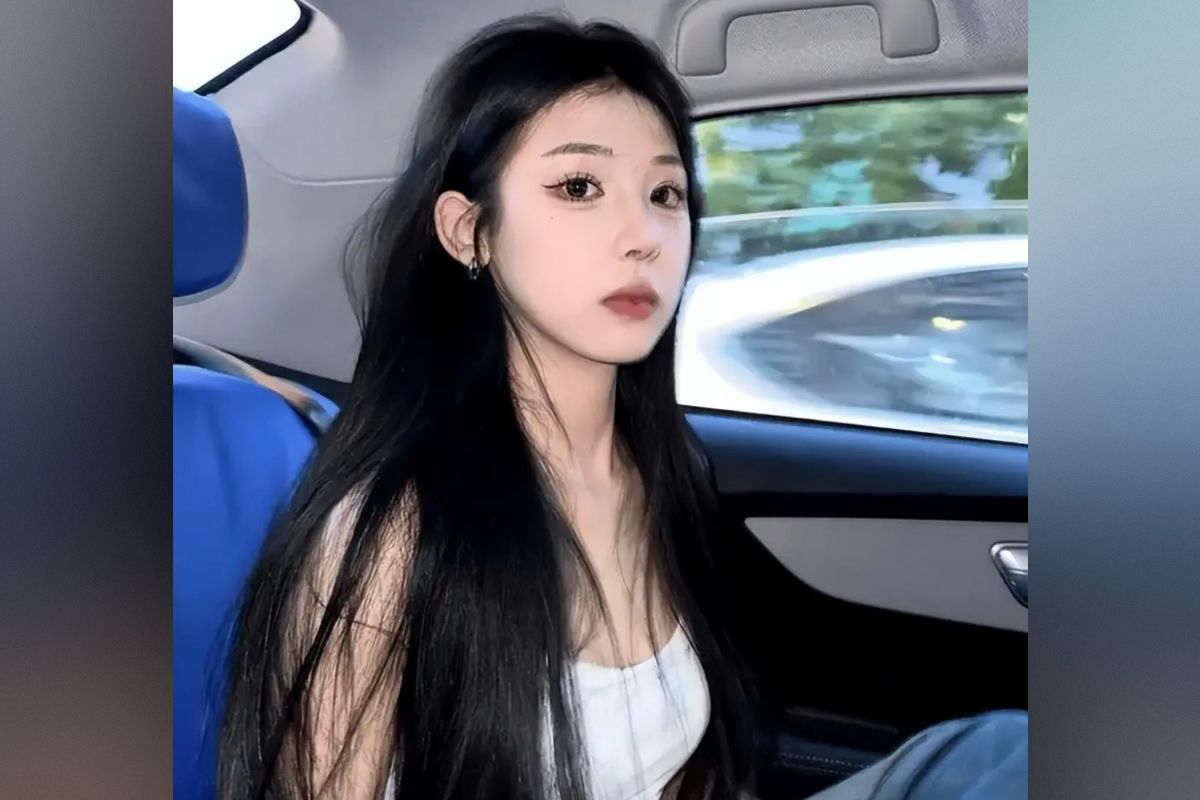
The death of Jiang Xiaorou, a 24-year-old paranormal content creator with a substantial following across Chinese social media, has drawn considerable attention to the darker intersections between online fame, superstition, and tragedy in the digital age. Jiang, who commanded more than 1.5 million followers on Douyin—the Chinese version of TikTok—succumbed to severe injuries on August 10, nearly four weeks after a devastating car accident. Her family issued an official statement confirming her passing the following day, bringing to a close a month-long medical battle that had seen her condition deteriorate steadily despite intensive intervention.
The incident that led to her death occurred on July 15, when the ride-sharing vehicle transporting Jiang from Guangxi to Guangzhou collided with another vehicle on the road. The collision proved catastrophic for the young influencer, who sustained severe traumatic brain injuries and haemorrhagic shock—a life-threatening condition resulting from massive internal bleeding. Medical teams rushed her to the intensive care unit at Sun Yat-Sen Memorial Hospital in Guangzhou, where she was placed on life support systems as doctors attempted to stabilize her condition and manage the extent of her injuries.
During her hospitalization, the financial burden of her care became an additional strain on her family. Jiang's mother took to social media platforms to appeal for public donations, highlighting the mounting medical expenses that threatened to overwhelm the family's resources. The appeals underscored a broader issue affecting many families in China facing catastrophic health crises—the reality that even with insurance coverage, the costs of extended intensive care and specialist treatment can rapidly accumulate beyond manageable levels. Her mother's public requests for assistance resonated with many of Jiang's followers, who contributed to help ease the financial pressure during the critical weeks of her hospitalization.
Before the accident, Jiang had carved out a distinctive niche within China's vast influencer landscape through her paranormal and ghost-hunting content. Her videos typically featured explorations of abandoned structures, investigations into alleged supernatural phenomena, and deliberate challenges to traditional Chinese superstitions and beliefs. This content strategy differentiated her from mainstream creators and attracted viewers interested in both paranormal entertainment and social commentary questioning cultural and religious conventions that have persisted for centuries in Chinese society.
The resurfacing of Jiang's prior controversial content has sparked intense debate following her death, particularly one video from August of the previous year in which she deliberately smashed a religious statue while making provocative claims about her longevity and defying superstitious beliefs. In another similarly controversial clip, she mocked the concept of karma by burning incense and boldly declaring that she would experience a car accident the very next day. These videos, which were originally intended as provocative challenges to superstitious thinking, have taken on a macabre significance in the context of her fatal crash, leading many online observers to draw uncomfortable correlations between her stated challenges and the tragic reality that unfolded.
The incident has prompted renewed examination of the content she created and raises questions about the responsibility influencers bear when posting material that deliberately challenges deeply held cultural beliefs. In Chinese society, where superstitions and spiritual beliefs remain influential despite decades of communist governance promoting atheism and rationalism, such deliberate provocations can resonate differently than they might in Western contexts. The apparent prophetic accuracy of her statements—however coincidental—has resonated powerfully with audiences, sparking discussions about whether influencers should exercise greater caution when creating content that invokes potential supernatural consequences.
This case reflects broader tensions within China's social media ecosystem, where content creators frequently push boundaries to attract attention and engagement. The algorithm-driven nature of platforms like Douyin rewards sensational and controversial content, incentivizing creators to escalate the provocativeness of their videos to maintain audience interest and visibility. Jiang's strategy of challenging superstitions and making bold claims about defying traditional beliefs was clearly effective in building her substantial following, yet it also illustrates the potential consequences when creators prioritize shock value and controversy over consideration of their broader social influence.
The incident also highlights the precarious nature of social media fame among young Chinese creators, many of whom operate in a gray zone between entertainment, social commentary, and content that can provoke strong emotional responses from audiences. The algorithm's preference for engagement—whether positive or negative—means that controversial content frequently performs better than measured, thoughtful material. For creators like Jiang, operating at the edges of acceptable discourse can generate rapid follower growth and income opportunities through sponsorships and advertisements, but it also exposes them to intense scrutiny and backlash.
In response to the renewed attention to her controversial videos and the speculation that has followed her death, Jiang's family has publicly requested that observers refrain from engaging in conspiracy theories or unfounded speculation about the circumstances surrounding her passing. The family's appeal emphasizes respect for the facts of her death and asks the public to allow them to grieve without the additional burden of internet-fueled narratives that conflate her earlier provocative content with the tragic accident. This request reflects a common challenge faced by families of deceased social media personalities, who often find their grief complicated by the public's tendency to construct narratives that blend entertainment, superstition, and tragedy in ways that serve digital audiences' appetite for compelling stories rather than accuracy or dignity.
The circumstances of Jiang's death have prompted reflection within Malaysia and across Southeast Asia about the responsibilities of social media platforms, the content they amplify, and the support systems available for young creators navigating the pressures of maintaining relevance in increasingly competitive digital spaces. Her story serves as a cautionary reminder of the real-world consequences that can follow from the choices influencers make in pursuit of online attention, and the ways that social media can transform personal tragedy into fodder for public consumption and speculation.

