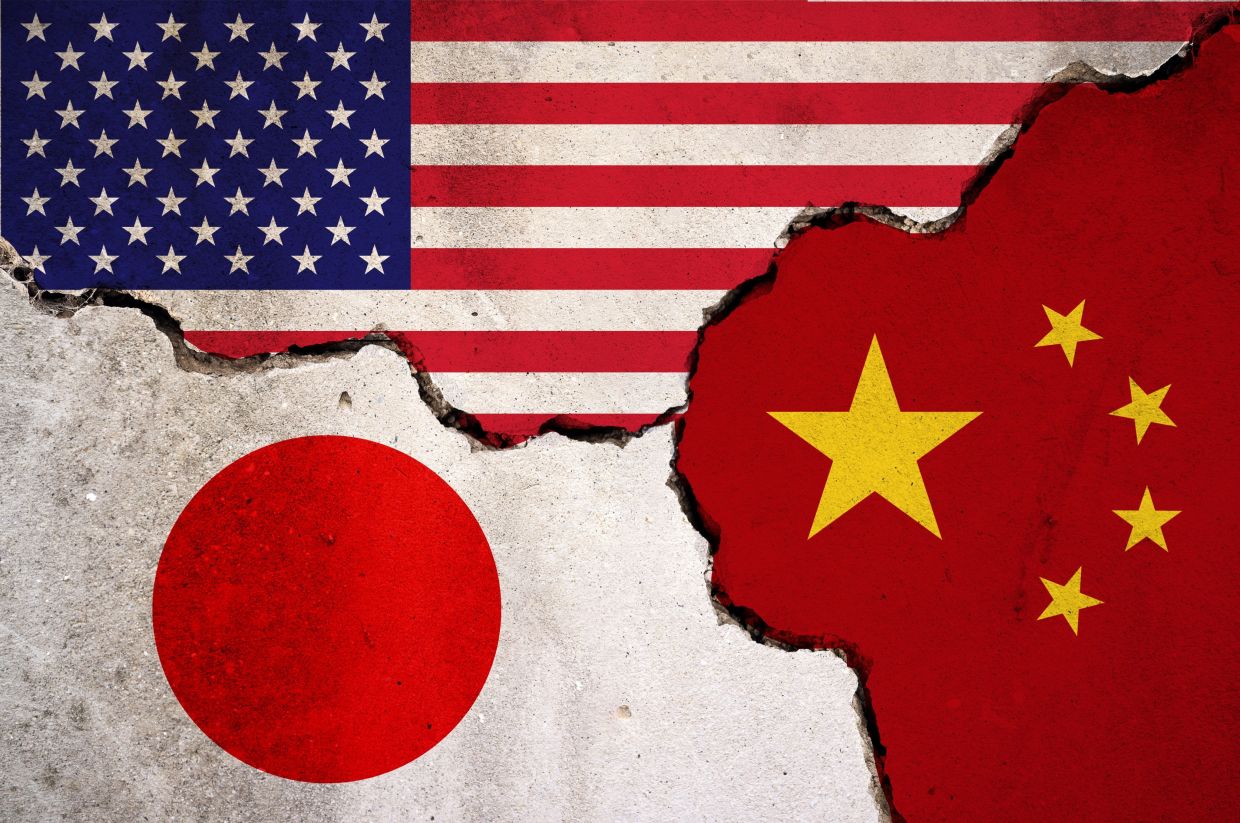
The strategic partnership binding the United States and Japan faces an unprecedented test as China intensifies economic pressure on Tokyo, while the Trump administration responds with indifference that has left Japanese officials deeply unsettled. Over the past seven months, Beijing has unleashed successive rounds of punishment against Japan following hardline Prime Minister Sanae Takaichi's November declaration that a Chinese military attack on Taiwan would constitute an existential threat to Japan. In her testimony to lawmakers, Takaichi made explicit what decades of strategic ambiguity had left unspoken—that Japanese security is inextricably linked to Taiwan's status. Though her statement reflected Japan's geographic reality and the massive US military footprint on its soil, it triggered precisely the kind of Chinese backlash that regional security strategists have long feared, opening a wider rift between Washington and Tokyo in the process.
Beijing's response proved swift and calculated. Among the retaliatory measures imposed in January were restrictions targeting Japan's access to rare earth elements—critical materials underpinning everything from advanced semiconductors to defence systems. Such weaponization of supply chains represents a modern coercive tool far more sophisticated than traditional military posturing. Yet what has unsettled Tokyo more than China's predictable anger is Washington's muted reaction to its treaty ally's predicament. Multiple sources within the Japanese government, speaking on condition of anonymity, have described an escalating campaign of entreaties directed at the Trump administration to press Beijing into reversing these economic restrictions. What began as isolated requests has evolved into a persistent pattern of appeals at cabinet and legislative levels, yet White House officials have consistently treated the matter as peripheral to their broader strategic agenda.
The contrast between Japan's urgent diplomatic efforts and Washington's dismissive posture reveals something fundamental about Trump's approach to alliance management. Rather than viewing collective security as a mutual benefit reinforcing regional stability, the president appears to regard such commitments through a transactional lens—calculating what he gains or loses in each interaction. Japanese officials have grown increasingly frustrated by this approach, with one source describing a "simmering dissatisfaction" at how Trump extends deference to Chinese President Xi Jinping while offering mere "lip service" to Tokyo's concerns. The administration's handling of China's rare earth restrictions demonstrates this pattern clearly. When Trump raised the issue with Xi, it carried none of the urgency that Tokyo's repeated requests might have warranted, suggesting the matter ranked far below other considerations in the president's calculus of US-China relations.
Several interconnected factors explain Washington's apparent disengagement from Japan's crisis. The Trump administration has become deeply preoccupied with the Middle East, particularly the Iran conflict that the president initiated in coordination with Israeli Prime Minister Benjamin Netanyahu. This regional focus has prompted a significant redeployment of US military assets and anti-missile systems away from East Asia toward the Persian Gulf, creating genuine capacity constraints. However, this explanation carries limited force given that Takaichi's provocative comments predated the February escalation of the Middle East conflict, suggesting Trump's tepid defence of Japan cannot be blamed solely on geographical distraction. Rather, analysts point to the president's broader worldview and the pressing domestic challenges consuming his attention as more fundamental drivers of his inattention to Japanese security concerns.
Trump's transactional mentality appears particularly acute in his second term. Multiple analysts note that his focus has shifted increasingly toward personal matters—family business dealings, cryptocurrency ventures, and historical grievances—rather than geopolitical strategy or Republican Party interests. This narcissistic orientation means that regional security questions, unless they directly affect Trump's personal interests or standing, receive minimal consideration. The president's questioning of why Japan and other allied nations failed to provide military assistance in the Persian Gulf suggests he views alliance relationships primarily through the lens of what others can contribute to his immediate agenda rather than what the United States gains from long-term strategic partnerships. His dismissive comment that "it's appropriate that people step up" while simultaneously denying he needed any help encapsulates this contradictory approach.
Japan's position in this dynamic proves particularly vulnerable and awkward. Tokyo has consistently answered Washington's calls for increased defence spending and capability development, investing heavily in new military systems specifically designed to deter Chinese aggression. The irony that Japan's compliance with US demands for allied burden-sharing has made Trump's inattention more disappointing rather than less seems entirely lost on the White House. Japanese officials recognize the bind they face: complaining publicly about Chinese coercion risks appearing weak internationally and inviting further pressure from Beijing, yet remaining silent about Washington's indifference undercuts the security assurances that have anchored Japanese strategic planning for seven decades. Senior analysts at institutions like Eurasia Group note that Tokyo would welcome more vocal public support from Washington against Chinese economic coercion, but the country's diplomatic culture and international reputation constrain its ability to make such requests explicitly.
The deeper issue concerns Trump's apparent skepticism of the entire alliance framework that has undergirded East Asian stability since 1945. Long suspicious of allies as strategic "freeloaders," Trump has consistently questioned whether the benefits of collective security arrangements justify their costs. This ideological position contradicts the post-war consensus among US strategists and allies alike that security partnerships generate mutual advantages exceeding what individual nations could achieve in isolation. Yet Trump's repeated expressions of frustration that NATO members, Japan, and other allies did not contribute military assets to his Persian Gulf operations suggest he views alliance membership as a quid pro quo arrangement rather than a mutual commitment. When Japan points to the substantial costs it bears maintaining US military bases and developing indigenous defence capabilities, such arguments fall on deaf ears in an administration that measures alliance value primarily by immediate, tangible contributions to whatever military operation currently occupies Trump's attention.
China's strategic objective in pressuring Japan extends well beyond punishing Takaichi's indiscretion. Beijing seeks to demonstrate that Tokyo faces costs when it aligns too closely with Washington on sensitive matters like Taiwan's status, while simultaneously hoping that American indifference will gradually erode Japanese confidence in the US security guarantee. If Japan's political leadership comes to believe that explicit statements about Taiwan defence will trigger Chinese retaliation while Washington offers no reciprocal support, Tokyo may gradually shift toward more ambiguous positions designed to minimize provocative statements. This could represent a significant victory for Beijing's long-term strategy of gradually isolating Taiwan and undermining the security architecture that has prevented Chinese military adventurism. The rare earth restrictions, while economically manageable for Japan in the medium term, serve primarily as a demonstration effect—showing Tokyo what fuller Chinese coercion might entail.
The question of whether Trump's approach reflects deliberate strategy or simple indifference remains contested among analysts. Some argue the president deliberately uses silence on Japan as a negotiating card with China, gambling that appearing willing to sacrifice allies' interests might strengthen his hand in broader trade discussions or a potential summit with Xi. Others contend that Trump simply does not prioritize East Asian security concerns relative to Middle Eastern conflicts, trade deal negotiations, or his personal interests. A third explanation, increasingly cited by former national security officials, suggests the president's treatment of Japan reflects his broader disdain for what he views as weak or insufficiently assertive allies—a category into which he places many women leaders, including Takaichi. The combination of all these factors creates a genuinely novel dynamic in which the United States simultaneously maintains formal security commitments to Japan while offering minimal political or diplomatic support when that ally faces pressure from China.
For Malaysia and Southeast Asia more broadly, developments in the Japan-US relationship carry profound implications. If Washington's security commitment to Japan—a far larger, wealthier, and more strategically important ally than any Southeast Asian nation—proves unreliable or contingent upon momentary whims, what confidence can smaller regional powers place in American security assurances? The Trump administration's indifference to Japanese security concerns signals that US alliance commitments may depend less on formal treaties and strategic doctrine than on individual presidential disposition and political calculation. This uncertainty has already begun reshaping regional calculations, with several Southeast Asian states exploring hedging strategies and maintaining closer relations with China regardless of American pressure. The Japan crisis thus represents a test case for whether the post-war alliance system can survive when American leadership views such commitments as optional or expendable.
The Tokyo-Washington relationship troubles will likely persist absent significant changes in Trump's approach or political circumstances. Japanese officials have become resigned to the reality that White House support will not materialize in the near term, forcing Tokyo to manage Chinese pressure through its own diplomatic and economic resources. Tokyo continues investing in its defence capabilities and exploring new security partnerships, including through frameworks like the Quad with India, Australia, and the United States. Yet these measures cannot fully substitute for a confident security relationship with Washington. The fundamental issue remains unresolved: whether the US-Japan alliance, which has provided the foundation for regional stability and Japan's postwar prosperity, can endure when one party grows indifferent to the other's security challenges and views alliance obligations primarily through a transactional lens. As China continues its patient pressure campaign, this question will define not merely bilateral relations but the future of East Asian security architecture itself.

