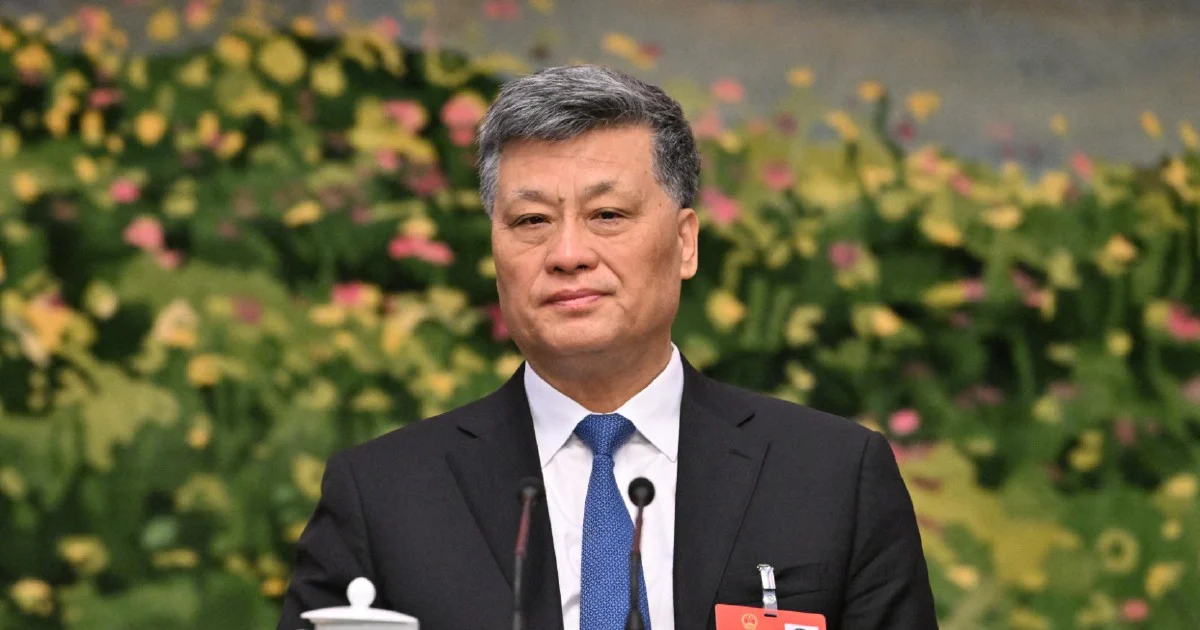
A former high-ranking official in China's Xinjiang region has been formally expelled from the Communist Party and removed from all government and party positions, marking a significant disciplinary action announced through state media channels this week. The party's decision reflects mounting concerns within China's leadership about corruption at senior administrative levels, particularly in strategically important provinces and autonomous regions.
The expulsion centres on a range of allegations spanning financial impropriety and abuse of official power. Among the charges levelled against the dismissed official are nepotism—the practice of leveraging public office to advance family members' interests—acceptance of substantial bribes, and involvement in sexual misconduct. These accusations represent serious violations of Communist Party discipline codes and Chinese anti-corruption regulations.
This action reflects the ongoing anti-corruption campaign that has defined Chinese governance over the past decade. Since assuming power, China's leadership has consistently used disciplinary measures against officials deemed to have violated party principles, presenting such purges as essential to maintaining institutional integrity and public trust. The campaign has ensnared thousands of officials across all administrative levels, from provincial governors to ministerial-rank bureaucrats.
Xinjiang's administrative apparatus has attracted particular scrutiny from Beijing's anti-corruption bodies. The region's strategic location along China's western frontier, coupled with its significant resource wealth and complex ethnic composition, has made it a focal point for central government oversight. High-profile removals of Xinjiang officials send clear signals about expectations for conduct among regional administrators responsible for implementing sensitive policies.
For Malaysian observers and Southeast Asian stakeholders, such developments carry implications for understanding governance patterns in major Asian economies. Corruption in strategic regions can affect bilateral relations, trade agreements, and the implementation of cross-border initiatives. The removal of officials in Xinjiang may influence how China manages investment projects and partnerships in neighbouring regions, including Central Asia and parts of Southeast Asia that intersect with Chinese economic initiatives.
The allegations of nepotism particularly demonstrate how personal networks can undermine meritocratic principles in bureaucratic systems. When officials use their positions to enrich family members or provide preferential treatment, it creates systemic inefficiencies and erodes confidence in institutional impartiality. This challenge transcends national boundaries and reflects patterns observed in various governance systems across the region.
Bribery accusations underscore the persistent tension between formal regulations and informal power structures in some Asian administrative contexts. Despite extensive anti-corruption frameworks, illicit financial transfers between officials and private interests continue to occur, necessitating ongoing investigation and enforcement mechanisms. The party's willingness to prosecute senior figures sends messages about the seriousness with which such violations are treated.
The sexual misconduct component of the charges reflects evolving standards regarding official conduct. Increasingly, Asian governments are addressing abuse of power in personal and intimate contexts, recognising that such behaviour constitutes violations of public trust and professional ethics. The inclusion of these charges in formal disciplinary proceedings indicates institutional acknowledgment of broader misconduct patterns.
The timing and publicity of this expulsion serve multiple purposes within China's political communication strategy. Public announcements of senior official removals demonstrate the party's commitment to internal accountability and anti-corruption efforts, potentially addressing public sentiment about official wrongdoing. Simultaneously, such actions reinforce hierarchical discipline within the party apparatus and signal to other officials the consequences of serious violations.
For international observers, the case illustrates how China's Communist Party operates its internal disciplinary mechanisms. Unlike judicial processes that follow formal legal procedures with public trials, party expulsions occur through administrative channels controlled by party bodies. The party announces conclusions after investigations, but detailed evidence and procedural specifics often remain opaque to external scrutiny.
The implications extend to how China manages governance in regions with complex political histories. Xinjiang's administrative challenges have made it a testing ground for central authority, and ensuring corruption-free administration remains a stated priority. The removal of officials tainted by corruption theoretically strengthens institutional performance and legitimacy, though questions persist about whether disciplinary measures address systemic governance issues versus individual misconduct.
For regional governments and businesses engaged with China, such developments underscore the importance of maintaining clear ethical standards in dealings with Chinese counterparts. Officials facing investigation or removal may become unreliable partners in negotiations or implementation of agreements. Understanding the political currents within Chinese administrative structures helps external actors anticipate institutional changes and their potential effects on bilateral relations and cooperative ventures.
Moving forward, this expulsion contributes to the broader narrative of China's anti-corruption efforts as a defining feature of contemporary governance. Whether such disciplinary actions prove sufficient to address systemic corruption or whether deeper institutional reforms are necessary remains contested among observers. The case demonstrates that even high-ranking officials remain vulnerable to investigation, though questions about selective enforcement and political motives in specific cases persist among independent analysts.

