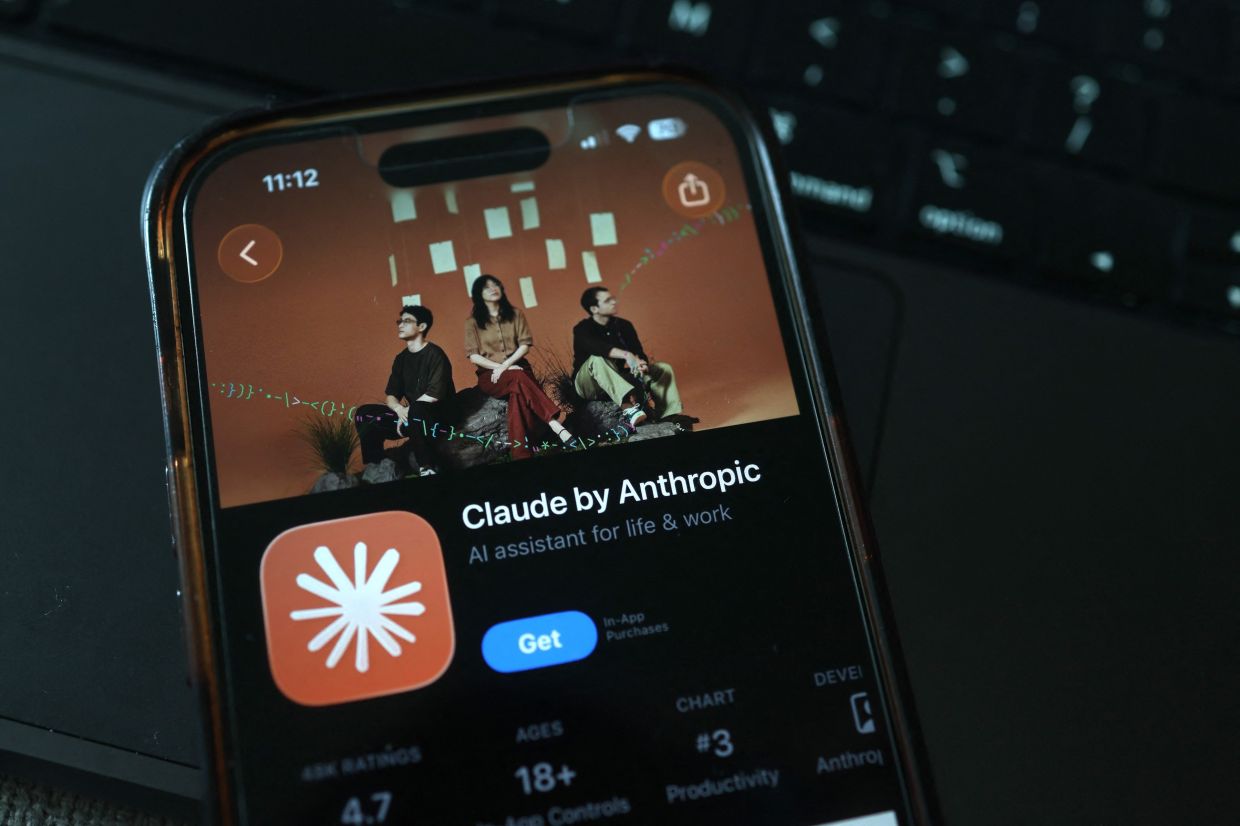
China's state-affiliated cybersecurity authority has raised alarm over what it describes as a serious security vulnerability embedded in Anthropic's Claude Code, an artificial intelligence tool designed to generate, debug and review computer code. The National Vulnerability Database (NVDB), operating under China's Ministry of Industry and Information Technology, alleges the tool contains a backdoor mechanism capable of transmitting sensitive user information—including location data and identity identifiers—back to Anthropic's servers without explicit user knowledge or approval. The accusation has triggered immediate action from major Chinese technology companies and raises fresh questions about data security in the rapidly expanding AI sector.
Claude Code represents one of Anthropic's flagship offerings in the competitive generative AI market. As an AI coding agent, it operates by accepting natural language instructions from users and translating them into functional computer code, simultaneously offering debugging support and code review capabilities. The tool's functionality has attracted interest from software developers and enterprises globally, yet its deployment in regions deemed strategically sensitive has been restricted by Anthropic through account-level geographic blocking. This technical gatekeeping, however, has proven porous—determined users in restricted territories can circumvent these limitations using virtual private network services and proxy-based workarounds, creating potential vectors for the alleged data leakage described by Chinese authorities.
The NVDB's formal advisory, published on its official platform, characterised the detected security vulnerability as posing a "severe threat" to users and institutions relying on Claude Code. The authority recommended comprehensive security audits of systems currently deploying the tool, coupled with either immediate uninstallation or upgrading to a version purportedly stripped of the problematic backdoor functionality. Beyond these technical remedies, the NVDB urged organisations to intensify their network traffic surveillance protocols to identify and prevent unauthorised exfiltration of confidential business data and personal information. This multi-layered guidance reflects serious concern about downstream consequences of the alleged vulnerability within China's interconnected technology ecosystem.
Alibaba, China's e-commerce and cloud computing giant, moved swiftly to materialise these concerns into concrete policy. The company issued directives to its workforce prohibiting the use of Claude Code effective July 10, citing unspecified security considerations as justification. People with knowledge of Alibaba's internal communications confirmed the ban's implementation, signalling that China's largest technology enterprises view the vulnerability allegations with sufficient gravity to warrant operational restrictions. This corporate-level response carries symbolic weight, suggesting confidence in the NVDB's assessment among sophisticated technology companies with deep expertise in cybersecurity and data protection requirements.
The broader context of this allegation involves longstanding tension between Anthropic and Chinese technology firms over artificial intelligence development practices. Anthropic has previously levelled accusations against Alibaba, alleging that the company engaged in reverse-engineering of Anthropic's AI models—a practice known as "distillation"—to replicate their capabilities without authorisation or appropriate licensing. These cross-Pacific accusations highlight the competitive pressures and intellectual property disputes simmering beneath the surface of the global AI industry, where rapid capability advancement creates incentives for various actors to acquire or replicate valuable technological achievements through whatever means available.
Thariq Shihipar, an engineer working on Claude Code, publicly addressed the allegations through a post on the social media platform X, offering clarification that reframed rather than dismissed the NVDB's concerns. Shihipar characterised the contested data tracking functionality as a deliberate experimental measure introduced in March, specifically designed to combat account abuse perpetrated by unauthorised resellers and to shield Anthropic's proprietary models from distillation attempts by competitors. Rather than describing this as malicious backdoor activity, the engineer presented it as a defensive security measure—albeit one implemented without explicit transparency to users. He acknowledged that Anthropic's internal teams had subsequently developed more robust mitigation strategies, eliminating the need for the original tracking mechanism, and confirmed that the functionality would be completely removed in a release scheduled for July 2.
This explanation introduces important nuance to the debate, suggesting that the technical reality may be more complex than a simple malicious backdoor scenario. The admission that data tracking occurred, even if originally intended for protective purposes, validates the NVDB's core factual assertion while potentially undermining the "backdoor" characterisation that implies intentional malevolence. From a cybersecurity governance perspective, however, the distinction between intentionally malicious code and well-intentioned but inadequately disclosed tracking mechanisms offers limited practical reassurance to affected users or regulators concerned about unauthorised data collection practices. The controversy underscores a persistent challenge in the technology industry: the tension between legitimate security objectives and user privacy rights, coupled with inadequate transparency in communicating the trade-offs involved.
For Malaysian technology users and organisations, the Claude Code controversy carries particular relevance given the region's position in Asia's digital economy and its increasing reliance on artificial intelligence tools across sectors ranging from software development to financial services and manufacturing. Malaysia's own regulatory frameworks for data protection and cybersecurity—including the Personal Data Protection Act and emerging digital governance standards—would need to accommodate the implications of such alleged vulnerabilities in widely-deployed international AI tools. The incident highlights the reality that cybersecurity threats and vulnerabilities respect no political boundaries; a security flaw detected in one region can pose risks to users globally who access the same software platforms.
The broader implications for Southeast Asian technology governance are equally significant. As regional economies accelerate their digital transformation initiatives and artificial intelligence adoption accelerates, the cybersecurity integrity of foundational tools becomes increasingly critical to economic resilience and national security. The Claude Code episode demonstrates that even tools created by well-regarded firms headquartered in democratic economies can incorporate features that raise legitimate concerns about data sovereignty, user consent, and the concentration of information flows back to American-based servers. This reality may reinforce existing policy conversations across Southeast Asia about the appropriate regulatory frameworks for monitoring and controlling foreign-developed AI systems deployed within national jurisdictions.
Anthropic's delayed response to the allegations, with no immediate statement provided to international news agencies at the time the NVDB's warning circulated, may itself generate reputational consequences. In an environment of heightened scrutiny around AI safety and corporate transparency, companies face increasing expectations to proactively address security concerns and communicate clearly about their data handling practices. Anthropic's apparent reliance on an engineer's social media post rather than coordinated corporate communication could be perceived as insufficient given the scale and seriousness of the allegations. The company's track record of transparency and responsiveness to emerging concerns will likely influence how organisations and users in Malaysia and across Asia evaluate whether to continue deploying Claude Code or investing in alternative solutions.
Moving forward, the Claude Code controversy will likely accelerate broader conversations about standardised security disclosure practices, vulnerability assessment protocols, and user consent frameworks for AI tools deployed internationally. Regulators and technology companies across Southeast Asia may use this incident as a reference point when developing governance approaches to artificial intelligence deployment, particularly regarding how cross-border data flows should be monitored, disclosed, and controlled. The incident also provides valuable impetus for organisations to conduct thorough security audits of their AI tool deployments and to establish clearer policies governing which international software platforms can access sensitive enterprise or personal data.

