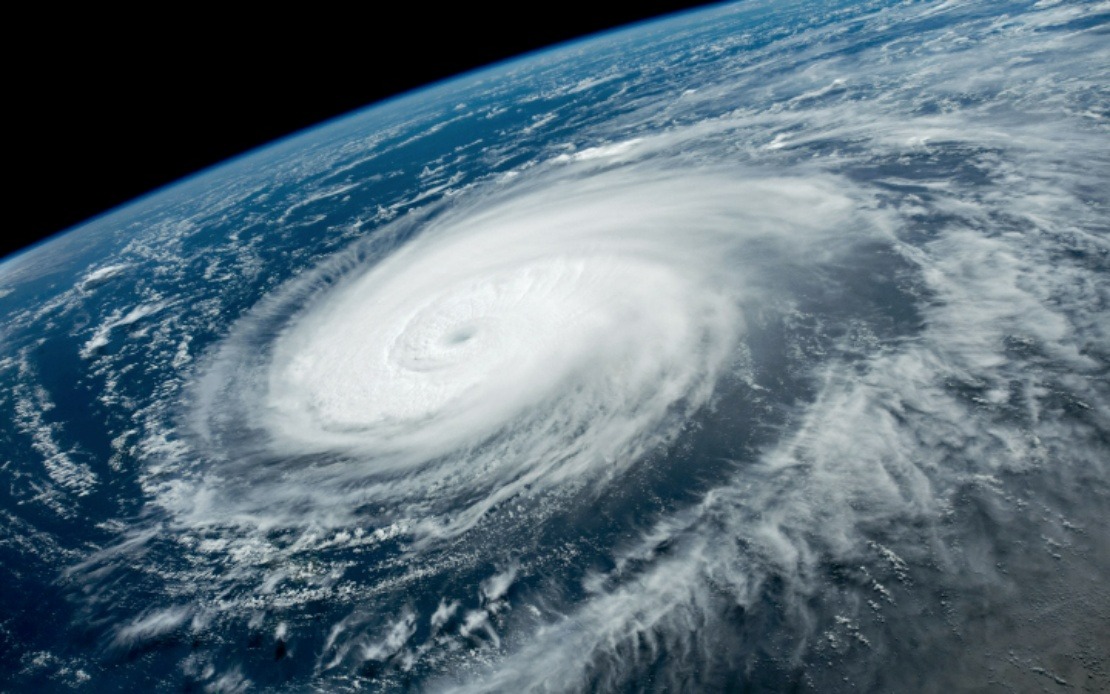
Coastal regions across eastern China are mobilizing comprehensive disaster response measures as Typhoon Dolphin bears down on the country's eastern seaboard, with authorities upgrading alert levels and suspending critical infrastructure operations. The nation's meteorological authority elevated the emergency response classification to Level III on Saturday and escalated the typhoon warning status from yellow to orange, signalling the severity of the approaching system. Landfall is anticipated between Sunday night and Monday morning along a corridor stretching from Zhoushan in Zhejiang Province to Fuding in Fujian Province, with forecasters warning of destructive winds and extreme precipitation across the region.
Zhejiang Province, lying directly in the typhoon's projected path, has taken aggressive precautionary action by raising its own emergency response to the second-highest tier. The provincial government has strategically positioned more than 4,000 specialized monitors across vulnerable terrain to conduct real-time inspections of over 7,500 locations susceptible to secondary disasters such as landslides and geological collapse. This layered monitoring approach reflects lessons learned from previous typhoon strikes and aims to provide early warning of dangerous ground conditions before they threaten residential communities and infrastructure. By Friday morning, authorities had already achieved significant operational shutdowns, suspending all 162 passenger ferry routes, ceasing operations at 193 offshore construction projects, and instructing 474 working vessels to return to protected harbours.
Fujian Province, positioned to experience the most direct impact from Dolphin's projected trajectory, has implemented similarly stringent protective measures. By Saturday noon, officials had shuttered 40 passenger ferry services and brought all work to a halt at 115 offshore construction installations. The coastal city of Fuding, home to 1,210 registered fishing vessels, successfully recalled its entire fishing fleet to port, eliminating the risk of boats being caught at sea during the most dangerous phases of the storm. This comprehensive evacuation of maritime assets represents a substantial economic disruption but reflects the priority placed on human safety over short-term commercial operations.
Shanghai, though potentially experiencing less severe direct impacts, has nonetheless issued precautionary measures reflecting the storm's expansive reach. The metropolis activated a blue-level typhoon alert on Friday, with meteorological forecasters indicating that the system could subject the city to powerful winds and sustained heavy rainfall spanning up to four consecutive days. Transportation planners have begun coordinating suspension schedules for certain train services operating throughout the Yangtze River Delta region, a critical economic zone encompassing multiple provinces and major commercial hubs. The multi-day duration of anticipated adverse conditions underscores the magnitude of Dolphin's atmospheric influence across a vast geographical area.
The severity assessment provided by China's scientific community places Typhoon Dolphin in a particularly dangerous category relative to recent storm activity. Xu Yinglong, the chief forecaster at the National Meteorological Centre, has explicitly stated that Dolphin may generate stronger wind speeds and produce more abundant rainfall compared to Typhoon Bavi, which made landfall in July during the same seasonal period. This comparative analysis carries significant implications for preparedness planning, as it suggests that infrastructure designed to withstand previous storms may require enhanced resilience. The distinction underscores why authorities escalated their response protocols rather than maintaining the yellow-level alert that had been sufficient for earlier typhoon events.
China's formal alert framework comprises a structured, colour-coded system designed to communicate escalating severity levels to both government agencies and the general population. Within this four-tier classification, red represents the highest level of danger, followed by orange, yellow, and blue in descending order of severity. The decision to move Dolphin from yellow to orange signals an official determination that the threat profile has crossed into substantially more dangerous territory, triggering heightened mandatory responses from provincial and municipal authorities. This standardized communication system enables coordinated action across multiple administrative jurisdictions simultaneously.
The nation's parallel emergency response classification operates independently from the weather warning system, employing its own four-tier structure in which Level I represents the maximum urgency and subsequent levels indicate progressively lower threat assessments. The dual-track system—combining both meteorological warning severity and emergency response escalation—provides administrators with granular tools for calibrating public sector mobilization proportionate to the actual hazard. Placing Dolphin at Level III emergency response, while not yet at the highest tier, nonetheless obligates activation of pre-positioned resources and contingency personnel across affected provinces.
For Malaysia and other Southeast Asian nations, the intensive Chinese response to Typhoon Dolphin carries instructive implications regarding typhoon preparedness and disaster management protocols. The visible coordination between national meteorological agencies, provincial governments, and maritime authorities demonstrates integrated crisis management that could serve as a regional benchmark. As Southeast Asia regularly experiences similar tropical cyclonic systems, the demonstrated efficacy of advance maritime evacuation, construction site shutdown, and geological hazard monitoring merits careful examination by regional disaster management specialists.
The economic dimensions of Dolphin's impact extend beyond immediate coastal disruptions, potentially affecting regional supply chains and commerce throughout the Yangtze River Delta and beyond. The simultaneous shutdown of nearly 300 offshore construction projects, combined with wholesale suspension of ferry networks, creates cascading effects on trade corridors, labour mobility, and just-in-time manufacturing operations that characterize modern East Asian commerce. The calculated decision to accept these substantial economic costs reflects the existential risks that unmitigated typhoon exposure would generate, positioning disaster avoidance as a strategic economic priority rather than a mere safety consideration.

