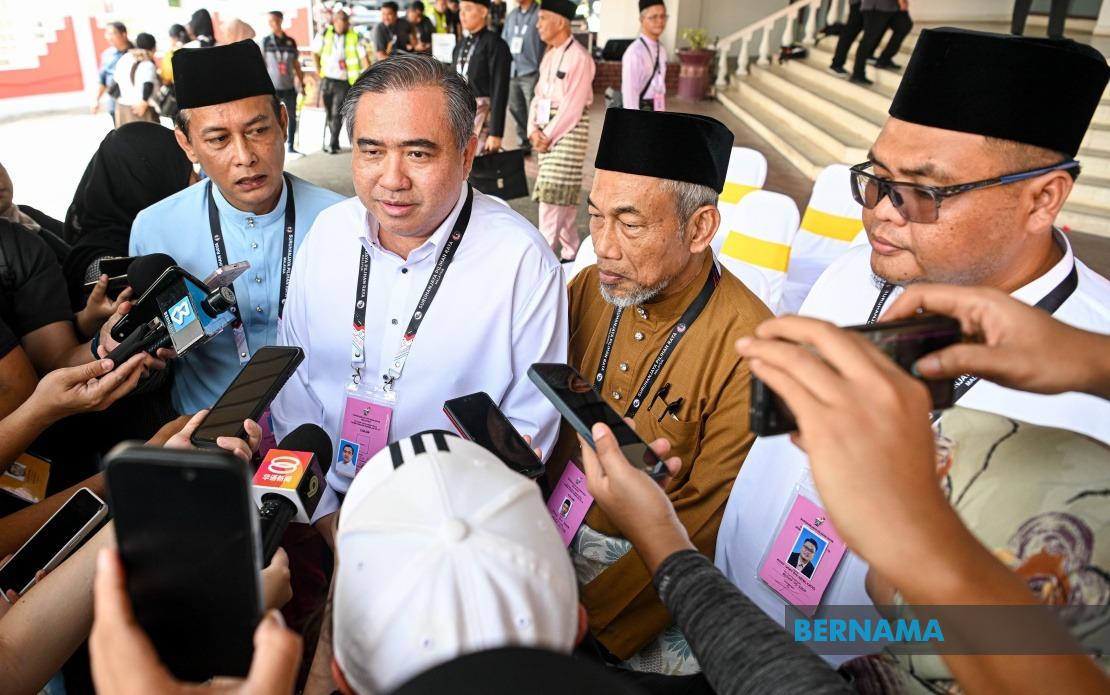
The Chennah state seat looms as one of four pivotal battlegrounds within the Jelebu parliamentary constituency as Pakatan Harapan embarks on its push to secure another term governing Negeri Sembilan. Transport Minister and incumbent Anthony Loke underscored the seat's significance during nomination proceedings held in Kuala Klawang, emphasizing that control of this territory could prove decisive in the broader state-level contest set to unfold in coming weeks.
Loke's assessment reflects strategic calculations rooted in demographic and electoral arithmetic. The 2018 state election delivered a watershed moment for the coalition when Chennah and Kelawang together supplied crucial votes that enabled Pakatan Harapan to assemble its first state government in Negeri Sembilan under the Reformasi banner. Understanding this precedent, the coalition views retention of these seats not merely as symbolic victories but as foundational pillars supporting overall state control. Losing either would narrow already tight legislative margins and potentially jeopardize the government's capacity to function.
The Jelebu parliamentary zone encompasses multiple state constituencies, each contributing representatives to the 36-member state assembly. Within this configuration, Pakatan Harapan must defend its existing bases whilst attempting selective advances. Loke's identification of four seats as crucially important suggests the coalition operates with precise knowledge of electoral vulnerabilities and opportunities, acknowledging that victory or defeat across this narrow band of constituencies could determine the election's outcome at state level.
Opposition forces have evidently mobilized competitive efforts in these zones. The Barisan Nasional has fielded Siow Kong Choon to contest Chennah directly against Loke, creating a two-way contest bereft of complications from splinter candidates. This straight fight configuration amplifies the stakes for both sides, as every vote becomes quantifiably consequential. The absence of third-party interference suggests both camps perceived the matchup as decisive enough to warrant focused resource deployment.
Loke's confidence concerning Pakatan Harapan's prospects derives substantially from the coalition's demonstrated accomplishments across two consecutive state terms. Since assuming power in 2018 following the upheaval that toppled Malaysia's long-ruling establishment, the government has pursued infrastructure improvements, social programs, and administrative reforms intended to demonstrate tangible competence. These efforts aimed at constructing a narrative of progress that resonates with electorates wearied by stagnation or perceiving inadequate service delivery under previous arrangements.
The Transport Minister's statements reflect institutional messaging emphasizing continuity and proven performance as superior alternatives to untested alternatives. Pakatan Harapan's messaging strategy positions itself as administrators who deliver results, contrasting this purportedly with Barisan Nasional's historical association with established hierarchies potentially perceived as insular or unresponsive to contemporary demands. This framing attempts to shift electoral debate away from abstract ideological terrain toward concrete metrics of governance effectiveness.
Negeri Sembilan's political complexion carries significance extending beyond state boundaries. As a relatively smaller state with manageable population dynamics, its electoral outcomes frequently serve as barometers for broader peninsular sentiment. Outcomes here influence perceptions regarding national coalition viability and organizational robustness. Should Pakatan Harapan retain control, particularly with increased majorities, the result would signal voter endorsement of the coalition's direction and potentially reinforce momentum heading into prospective federal electoral contests. Conversely, losses might trigger anxieties regarding coalition durability and electoral appeal.
The emphasis on Jelebu's importance reflects recognition that Malaysian state elections operate through geographically concentrated competition rather than uniform national swings. Different regions maintain distinct political cultures, leadership personalities, and developmental priorities. Jelebu's configuration requires Pakatan Harapan to excel in particular constituencies rather than assuming automatic advantages from broader coalition positioning. This granular approach to electoral strategy demands sophisticated targeting and localized campaign customization.
Forces beyond politician control inevitably influence electoral outcomes. Economic conditions, national political controversies, and voter perceptions regarding corruption or governance quality create environmental contexts within which campaigns unfold. Loke's framing of Pkatan Harapan's achievements attempts channeling conversation toward favorable terrain, yet external events or unforeseen developments can rapidly overwhelm prepared strategies. The coalition's confidence rests substantially on assumptions that voters will privilege stable development over alternative visions.
The nomination of candidates for contested seats represents procedurally critical junctures where campaigns transition from preparatory phases toward direct public engagement. Loke's public comments at this moment serve dual audiences: affirming to party faithful and supporters that leadership maintains strategic clarity and optimism, whilst simultaneously signaling to undecided voters that established administrators merit continuance. Such performances of confidence constitute essential components of electoral theater, establishing psychological momentum alongside substantive campaign mechanics.
For regional observers beyond Negeri Sembilan, state-level contests provide crucial intelligence regarding political trends, voter preferences, and coalition viability across Malaysia's fragmented electoral landscape. Results from Jelebu and comparable constituencies aggregate into narratives regarding national political direction. Whether Pakatan Harapan successfully defends Chennah and comparable seats will contribute meaningfully to assessments of the coalition's sustainable appeal and organizational capacity to govern.

