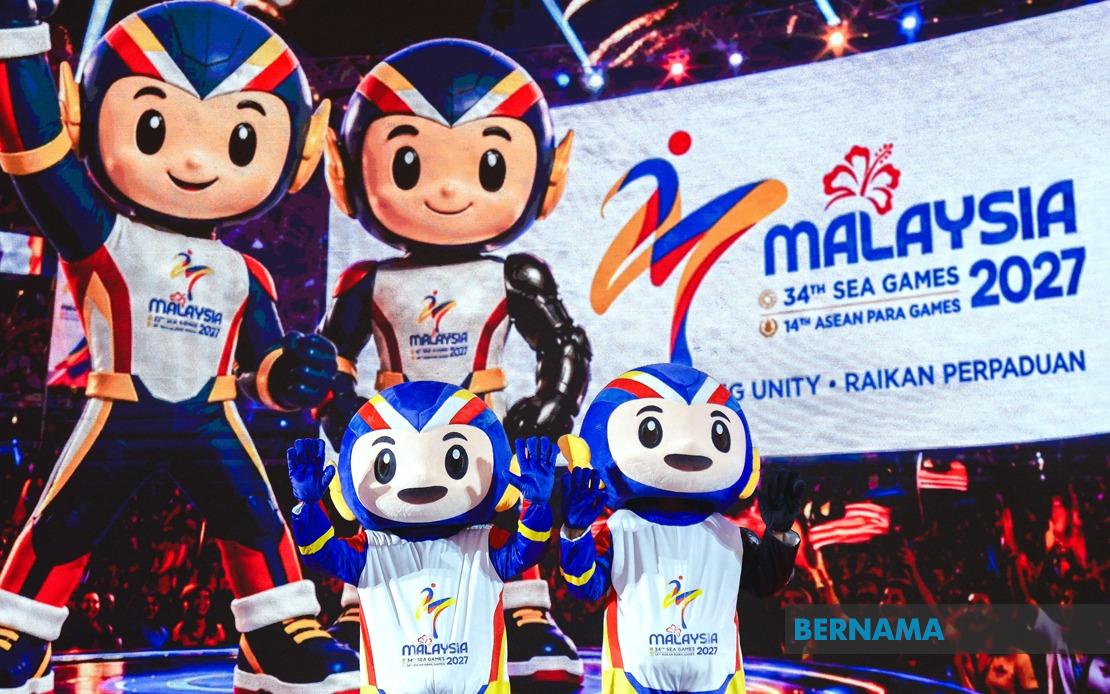
Malaysia has chosen "Celebrating Unity" as the official theme for the 2027 SEA Games and ASEAN Para Games, signalling the nation's emphasis on regional cohesion and shared sporting ambition. Youth and Sports Minister Dr Mohammed Taufiq Johari made the announcement at a ceremony in Putrajaya on July 13, describing the theme as a statement of purpose that extends beyond athletics to reflect the broader aspirations of Southeast Asia. The thematic choice represents a deliberate pivot toward fostering continental solidarity at a moment when the region faces mounting geopolitical and economic pressures, positioning sport as a unifying platform for national pride and cross-border goodwill.
Accompanying the theme is TUAH, a departure from the animal mascots that have characterised previous SEA Games iterations. Rather than drawing on fauna, TUAH takes the form of a modern human hero—dynamic, confident, and accessible to contemporary audiences. This conceptual shift signals a maturation in how Malaysia approaches its hosting responsibilities, moving away from traditional symbolism toward representations that emphasise human agency and aspiration. The mascot's design philosophy suggests that the Games will centre on celebrating individual and collective achievement rather than abstract or cultural references.
The mascot incorporates the colours of the Jalur Gemilang, Malaysia's national flag, embedding patriotic symbolism directly into the Games' visual identity. This design choice serves multiple purposes: it reinforces Malaysia's role as host nation while simultaneously affirming the inclusive nature of a regional event. By anchoring the mascot in national iconography, organisers ensure that TUAH resonates with Malaysian audiences and serves as a source of domestic pride, whilst remaining welcoming to athletes and spectators from across Southeast Asia. The flag's presence on the mascot creates a visual throughline connecting Malaysian sovereignty with regional cooperation.
Dr Mohammed Taufiq expressed confidence that TUAH would function as a lucky charm as Malaysia pursues the overall championship medal tally on home soil. This remark, whilst ceremonial in tone, reflects the underlying competitive stakes of hosting—emerging as the top-performing nation carries significant diplomatic and domestic political value. For a country investing substantially in infrastructure and organisation, securing the overall medal count represents tangible return on investment and validates the decision to host such a massive event. The mascot thus carries symbolic weight beyond its decorative function, becoming emblematic of national sporting ambition.
The minister emphasised that the theme would inspire athletes to transcend their existing capabilities and pursue excellence. Within the context of Southeast Asian sports development, this messaging addresses a persistent challenge: elevating standards of athletic performance across the region's smaller and less resourced nations. By framing the Games as an opportunity for personal and collective breakthrough, organisers position the event as more than a competition—it becomes a catalyst for regional sporting advancement. This framing is particularly relevant for Malaysian audiences, who increasingly view international sporting success as an indicator of national development and global standing.
Infrastructure preparations span four geographic clusters: Sarawak, Penang, Johor, and Kuala Lumpur, reflecting a deliberate strategy to distribute hosting responsibilities and benefits across the federation. Dr Mohammed Taufiq reported that venue development has proceeded without major complications, though technical refinements remain the focus. This geographically dispersed model presents logistical complexity but offers the advantage of spreading economic impact and demonstrating national unity through infrastructure investment. For Malaysian stakeholders, particularly those in states hosting venues, the Games represent opportunities for sporting facility upgrades, tourism exposure, and regional connectivity improvements that extend beyond the two-week competition window.
The National Sports Council has established an ambitious target: ensuring that 70 per cent of Malaysian athletes finish on competitive podiums at Asian-level competitions by year's end. This metric serves as a diagnostic tool, allowing officials to assess realistic championship prospects for 2027. The target reflects data-driven planning rather than pure optimism, grounding Malaysia's ambitions in measurable athlete development benchmarks. For the broader Southeast Asian region, Malaysia's systematic approach to medal prediction signals how emerging sporting powers are adopting analytics-informed strategies typically associated with developed nations. This professionalisation of sports planning may influence how other regional hosts approach future Games.
The competition calendar positions the SEA Games from September 18-29, with the ASEAN Para Games following immediately from October 17-23. This scheduling concentrates the region's major sporting showcases within a five-week window, maximising media attention and organisational efficiency whilst preventing venue dormancy between events. The sequential arrangement emphasises Malaysia's commitment to para-sport visibility, ensuring that athletes with disabilities receive equivalent platform and resources rather than remaining afterthoughts on the sporting calendar. This structural choice aligns with evolving international norms around inclusive athletics and reflects regional progress toward equitable sports governance.
For Malaysian readers, the unveiling represents a tangible milestone in a multi-year hosting project with far-reaching implications. Beyond medal counts and mascot merchandise, the Games will test Malaysia's capacity to coordinate across state boundaries, deliver world-class facilities, and manage an influx of regional delegations. The success or failure of 2027 will reverberate through Malaysia's international sporting reputation and influence decisions about future hosting responsibilities. Similarly, the regional implications extend to how Southeast Asia positions itself as a venue for major international events, competing against established sporting powerhouses in Asia and globally for hosting rights and attendant prestige.
The theme of unity carries particular resonance given contemporary regional dynamics. ASEAN member states face pressures from great power competition, internal economic disparities, and transnational challenges that occasionally strain solidarity. By anchoring the Games to an explicit unity framework, Malaysia provides a counter-narrative emphasising shared values and common purpose. This is not merely ceremonial rhetoric but rather strategic messaging that situates sport as a domain where regional cooperation remains vibrant and meaningful. For athletes, officials, and citizens across Southeast Asia, the 2027 Games become an opportunity to publicly affirm commitment to multilateral engagement and peaceful competition.

