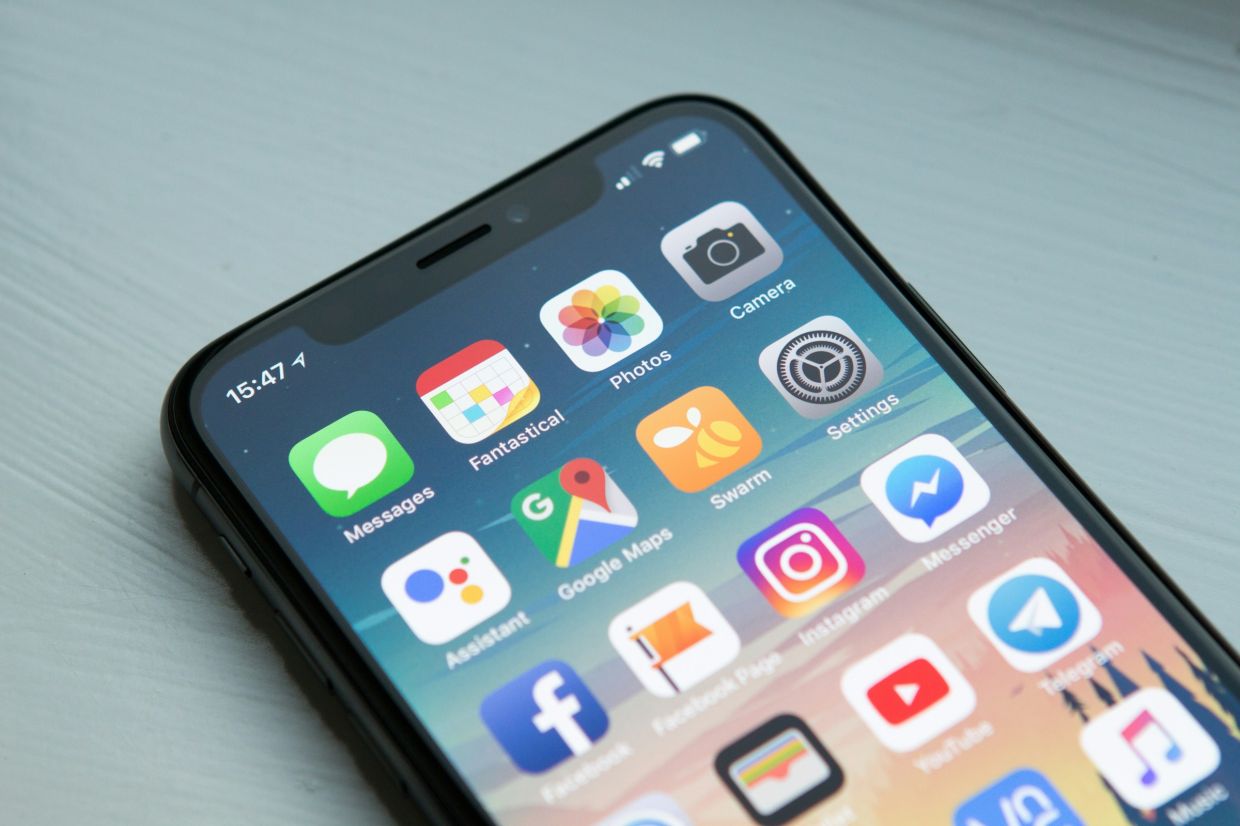
A Canadian cybersecurity company has filed federal court proceedings against a former contractor and a competing firm, alleging that sensitive information about an undiscovered Apple iPhone vulnerability was improperly shared and subsequently made public. Magnet Forensics Inc, which specialises in digital forensics tools used by law enforcement and government agencies globally, named Mario Del Gaudio and Paradigm Shift Technology SL as defendants in the lawsuit filed in July in the Northern District of Georgia. The dispute centres on what the industry calls a zero-day vulnerability—a previously unknown software flaw that security researchers have had zero days to identify and patch before exploitation becomes possible.
The technical weakness in question affects Apple's A12 and A13 processors found in multiple iPhone models, according to court documents. Magnet had developed proprietary methods to exploit this flaw as part of its intelligence-gathering toolkit offered to law enforcement and intelligence agencies across more than 100 countries. The company maintains that this capability provided significant investigative advantages, enabling authorities to access and recover data from iPhones that would otherwise remain encrypted and protected. The contractual relationship between Magnet and Del Gaudio included specific obligations regarding the protection of such trade secrets, the lawsuit indicates.
Paradigm Shift Technology, which operates in the same market space as Magnet by creating and licensing zero-day exploitation tools to government customers, published detailed research on the identical vulnerability in June. Del Gaudio, whose professional background includes work as an iOS exploit engineer, had spent several months developing and refining the vulnerability while employed at Magnet. The timeline and nature of his subsequent involvement with Paradigm Shift's public disclosure form the crux of Magnet's allegations, suggesting unauthorised transfer of confidential technical knowledge between competitors.
The public disclosure of vulnerability details significantly undermines the commercial value of such discoveries. When a zero-day flaw becomes widely known, software vendors like Apple can develop and deploy patches, effectively closing the security gap that made the tool valuable to intelligence and law enforcement operations. Magnet contends in court filings that this public exposure has inflicted substantial financial harm and ongoing damage to its business interests. The company has sent multiple cease-and-desist notices demanding removal of the published research, though the technical details remain accessible online, limiting the effectiveness of such demands.
Magnet Forensics, which was acquired by private equity firm Thoma Bravo in 2023 for approximately US$1.3 billion, operates at the intersection of cybersecurity and law enforcement technology. The acquisition price reflects the company's significant market position and the high value placed on zero-day capabilities by investors and government customers. With more than 6,000 clients spanning public and private sectors, Magnet represents a substantial player in the digital forensics industry, particularly for authorities investigating serious crimes and national security threats.
The case underscores the intensifying competition within the zero-day vulnerability market, where companies develop and monetise previously unknown software flaws for intelligence and law enforcement applications. This sector operates in a grey zone, as these tools can facilitate both legitimate government investigations and potentially authoritarian surveillance. The competitive pressures in this niche market sometimes incentivise aggressive poaching of talent and technical knowledge between rival firms, as demonstrated by this dispute.
Del Gaudio's alleged role in the Paradigm Shift research, combined with his prior months of work developing the same vulnerability for Magnet, suggests a clear chain of knowledge transfer. The alleged breach of his contractual obligations with Magnet represents a significant corporate espionage concern within the cybersecurity industry. Neither Del Gaudio nor his legal representatives provided immediate comment on the allegations, as did Paradigm Shift Technology, leaving the defendants' position unclear at this early stage of litigation.
Apple has not publicly acknowledged the vulnerability or commented on the lawsuit, though the company typically responds to disclosed zero-day flaws with accelerated patch development. The Cupertino tech giant's silence suggests either ongoing internal assessment of the flaw's severity or strategic decisions about public communication regarding security vulnerabilities. For iPhone users in Malaysia and across Asia, such vulnerabilities carry particular significance given the region's reliance on Apple devices for business, banking, and sensitive communications.
This dispute arrives amid broader concerns about the trade in hacking tools and vulnerabilities. In 2025, a former government contractor working for military technology company L3Harris Technologies pleaded guilty to stealing and selling advanced offensive hacking tools to Russian intermediaries, receiving a sentence exceeding seven years imprisonment. That case demonstrated how seriously federal authorities treat the unauthorised transfer of sensitive cybersecurity capabilities, setting a precedent that may influence how courts view Magnet's allegations against Del Gaudio.
For organisations across Southeast Asia relying on digital forensics tools for investigations, the case highlights risks associated with tool suppliers experiencing internal security breaches. When vulnerability information leaks from one firm to competitors or hostile actors, the operational effectiveness of law enforcement and intelligence capabilities diminishes. Malaysian authorities and regional counterparts who depend on such tools face implications for their investigative capabilities if critical zero-day vulnerabilities become widely known and patched by device manufacturers.
The broader implications extend to questions about intellectual property protection in cybersecurity, where the value of undisclosed vulnerabilities can dwarf conventional trade secrets. Unlike manufacturing or software development, where intellectual property is often more easily protected, zero-day vulnerabilities exist in a precarious state where value depends entirely on secrecy. Once disclosed, regardless of how that disclosure occurs, the asset's fundamental worth evaporates almost instantly.
Regional cybersecurity professionals should monitor this case as it develops, as the outcomes will likely establish precedent for how courts treat zero-day vulnerability disputes and contractor non-compete agreements. The decision could influence how technology firms in Southeast Asia structure agreements protecting sensitive security research and how they manage personnel transitions between competing organisations. The case also demonstrates that even companies valued at more than a billion dollars remain vulnerable to internal breaches of their most sensitive technical assets.

