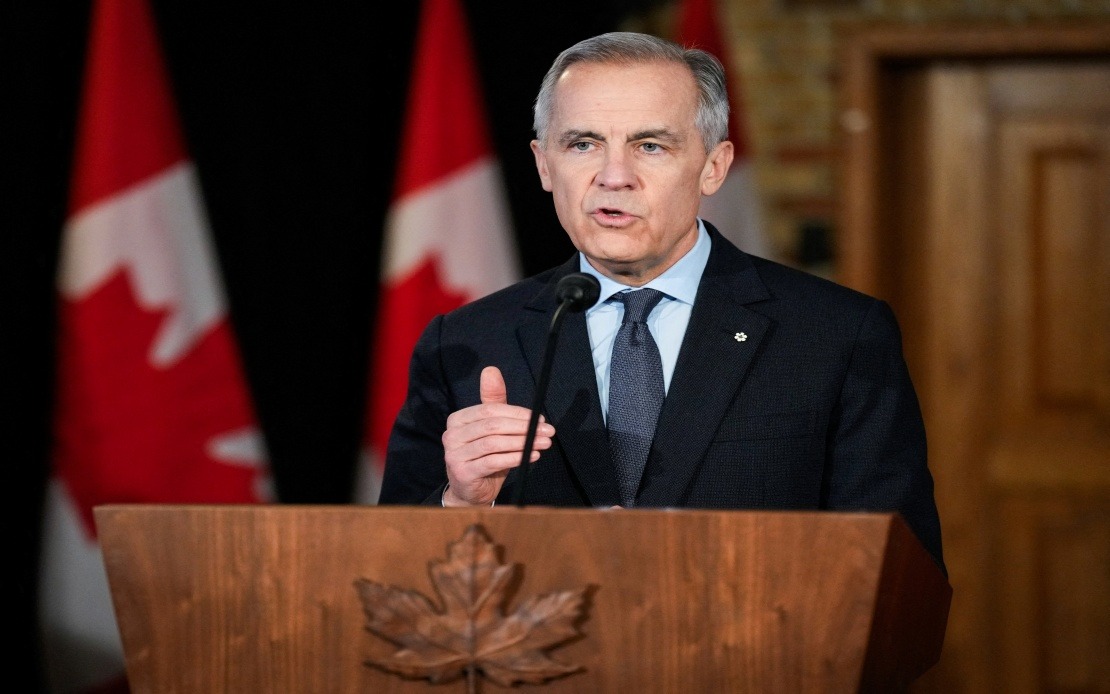
In a development that underscores the precarious nature of contemporary North American trade relations, Canadian Prime Minister Mark Carney disclosed on August 19 that the temporary suspension of punitive American tariffs would persist only through the end of the week. The statement came mere hours after US President Donald Trump announced the tariff pause, granting both nations a brief opportunity to bridge their negotiating positions on a range of contentious trade issues that have strained bilateral relations.
Carney's announcement carries particular significance for regional observers tracking the volatility of US trade policy under the current administration. The suspension applies to 50 per cent duties on an expansive array of Canadian goods, representing a substantial tariff regime that, if implemented, would reverberate through supply chains across North America and affect consumer prices on both sides of the border. By extending the pause to August 21, the Trump administration signalled neither capitulation nor indefinite patience, establishing instead a compressed negotiating timeline that forces both parties toward rapid resolution.
The Canadian Prime Minister characterised the ongoing discussions as having achieved "substantial progress," a diplomatic formulation that suggests movement on key disputes while acknowledging significant remaining disagreements. His statement reveals the delicate balance Ottawa must maintain: acknowledging progress to demonstrate good faith while simultaneously preparing domestic audiences for the possibility of tariff implementation should talks collapse. The precision of the August 21 deadline indicates that both governments have recognised the need for concrete finality rather than open-ended negotiations that might perpetuate market uncertainty.
For Malaysian and Southeast Asian observers, the Canada-US trade dispute illuminates the unpredictable landscape now characterising international commerce. The region depends substantially on stable North American demand and investment flows, making any disruption to that market significant. A prolonged trade war between the US and Canada could redirect supply chains, increase input costs for regional manufacturers, and potentially affect the competitive positioning of Southeast Asian exporters who compete in North American markets. The tariff suspension, while temporary, demonstrates how quickly major trading partners can escalate conflicts and how fragile negotiated settlements can prove.
Carney's emphasis on Canada's commitment to "increasing the independence and competitiveness of its economy" signals a strategic pivot that goes beyond the immediate tariff dispute. This language suggests Ottawa is exploring ways to reduce reliance on American markets and strengthen alternative trade relationships, potentially including enhanced engagement with Asia-Pacific partners. Such repositioning could create both opportunities and challenges for Southeast Asian economies seeking to deepen ties with Canada while maintaining their critical US relationships.
The compressed timeline to August 21 reflects the political reality that neither government can sustain indefinite uncertainty. Business leaders in both nations require clarity to make investment and hiring decisions, and prolonged ambiguity threatens to inflict economic damage independent of whether tariffs actually take effect. Trump's decision to pause implementation rather than cancel the threatened tariffs altogether preserves his administration's negotiating leverage while offering Canada a realistic chance to strike an agreement.
Several fundamental issues likely remain unresolved in these negotiations, including sectoral tariffs, origin rules, and investment protections. The Canadian government must balance its desire to shield domestic industries from American competition with the need to maintain access to the American market, where substantial Canadian investment and employment depend. Similarly, the United States seeks to address what it perceives as unfair trade practices while avoiding economic disruption that might harm American consumers and businesses reliant on Canadian inputs.
The broader context matters considerably for understanding this dispute's significance. Both nations remain integrated through the USMCA trade agreement framework, yet the Trump administration has demonstrated willingness to impose tariffs outside formal trade rules, citing national security justifications that stretch the conventional interpretation of that doctrine. This approach represents a significant departure from rules-based trade governance that has underpinned the liberal international economic order for decades. For Southeast Asia, such developments reinforce the importance of building diverse trade relationships rather than depending excessively on any single market.
As the August 21 deadline approaches, both Ottawa and Washington face mounting pressure to demonstrate progress to their respective business communities and voters. Carney's statement, while measured in tone, conveys urgency: the window for negotiation is measurably closing. How Canadian and American officials use the remaining days will determine whether this pause represents the foundation for a durable agreement or merely a brief intermission before implementation of the threatened tariffs.
Looking forward, the outcome of these negotiations will ripple across global trade networks. A successful agreement would signal that even under the current American administration, major partners can negotiate their differences through dialogue. Conversely, tariff implementation would accelerate the fragmentation of global trade patterns, prompting countries worldwide to seek alternative supply chains and market access. For Southeast Asian nations pursuing export-driven growth strategies and hosting multinational production networks, such developments carry profound implications for their economic trajectories and policy priorities in the coming months.

