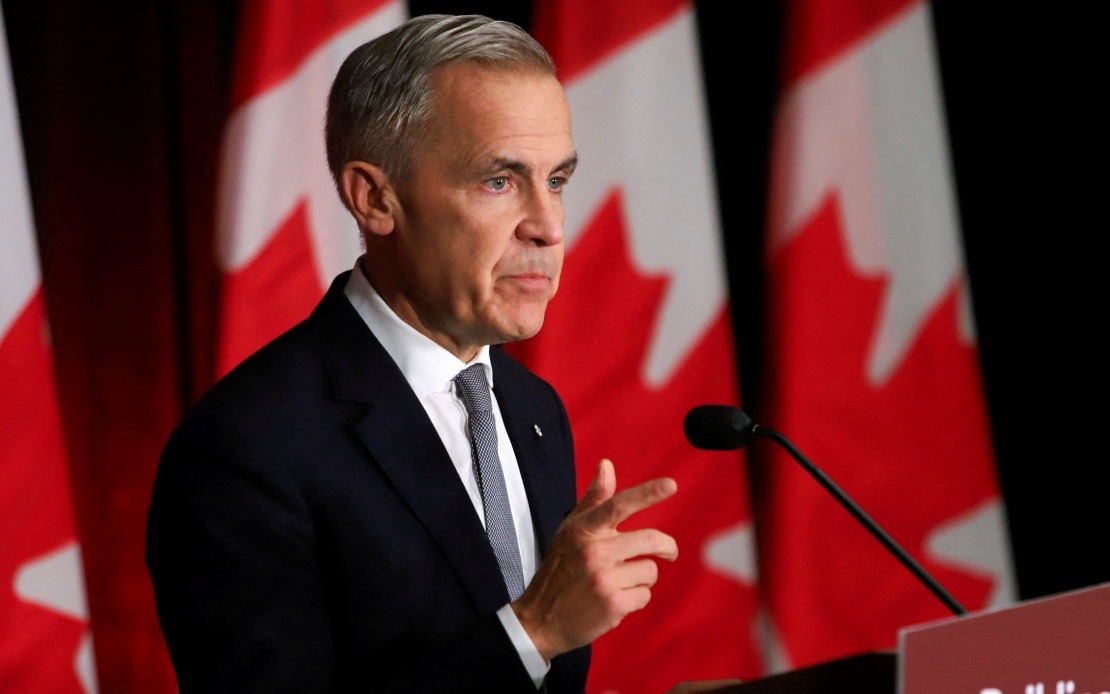
Canadian Prime Minister Mark Carney announced on Tuesday that he had conferred with US President Donald Trump, with both nations committing to step up the pace of their trade discussions in the weeks ahead. The conversation, which took place earlier that morning, reflected an effort to address escalating tensions following Washington's latest tariff offensive against Canadian exports. Carney told reporters that his team was prepared to engage intensively on the matter, signalling Ottawa's determination to find diplomatic pathways through a rapidly deteriorating trade landscape.
The drive to accelerate negotiations comes in response to Trump's decision on Monday to sign three separate proclamations introducing an additional 50 per cent tariff on a range of Canadian goods. The US administration justified the move by alleging that Canada was engaged in discriminatory practices against American commerce, a characterisation that Canadian officials have strongly disputed. These new duties will apply to specific categories including dairy products, alcoholic beverages, motor vehicles and associated components, with an implementation date set for August 19 according to documents released by the White House.
Notably, the tariff structure includes carve-outs for certain sectors deemed strategically important to US interests. Energy products, potash, fish and critical minerals have been exempted from the additional duties, suggesting that the Trump administration recognises Canada's significant role as a supplier of these resources to American markets and industries. This selective approach indicates that negotiations may centre on sectoral interests rather than a blanket approach to trade barriers.
Carney's response on Monday characterised the new tariffs as part of a broader pattern of unilateral American trade actions that he argued directly contravene the Canada-United States-Mexico Agreement, the trilateral trade pact that has governed commercial relations between the three nations since 2020. By framing the tariffs as violations of an existing agreement, Ottawa is signalling its intent to pursue remedies through formal dispute mechanisms, while simultaneously working through direct diplomatic channels to prevent further escalation.
The Canadian position reflects a delicate balancing act in responding to Trump's protectionist stance. While Carney pledged that he and his team would examine all possible options for responding should the tariffs proceed as scheduled, he has not publicly detailed what retaliatory measures Canada might consider. This measured rhetoric suggests Ottawa is prioritising negotiation over confrontation, at least in the immediate term, hoping that intensified talks can yield a reversal or modification of the tariff announcements before the August 19 deadline.
For Southeast Asian observers and traders, this transatlantic trade friction carries indirect but material implications. Any sustained disruption to Canada-US trade flows could reshape global supply chains, particularly in automotive manufacturing and agricultural products where Canadian suppliers hold significant market positions. Companies across the region with exposure to these sectors may face ripple effects as North American companies adjust their sourcing strategies in response to tariff-induced price changes.
The timing of this dispute also underscores broader uncertainties in the global trading system under the current US administration. Trump's protectionist rhetoric, demonstrated through his willingness to employ tariffs as a negotiating tool, has created an unpredictable environment for international commerce. For emerging market economies and mid-sized trading nations like Malaysia, which rely on rules-based international trade frameworks, the sight of two developed nations clashing over bilateral commerce is both a cautionary tale and a signal that no trading relationship is immune from sudden policy shifts.
Canada's decision to pursue intensive negotiations rather than immediately reciprocate with counter-tariffs reflects the asymmetries that characterise North American trade. As the smaller economy in the bilateral relationship, and heavily dependent on American markets particularly for energy and automotive exports, Canada must exercise strategic restraint even while defending its interests. This dynamic is instructive for smaller economies globally that must navigate relationships with larger trading partners.
The dispute also raises questions about the durability of continental trade arrangements. The Canada-United States-Mexico Agreement was designed to provide stability and predictability to North American commerce, yet Trump's actions suggest that even formalised agreements may not constrain his administration's willingness to deploy tariffs when it perceives unfair trade practices. This uncertainty could have longer-term consequences for how countries approach trade negotiations, potentially making parties more cautious about committing to binding agreements without explicit enforcement mechanisms.
As Ottawa prepares for accelerated negotiations, the coming weeks will test whether diplomatic engagement can produce a resolution that satisfies both parties' core interests. The outcome will likely influence not just bilateral relations but also broader perceptions about the viability of negotiated trade settlements in an increasingly protectionist international environment. For Malaysia and other regional economies watching these developments, the Canada-US outcome could offer lessons about managing trade disputes with much larger partners and the limits of multilateral frameworks when confronted with determined unilateral action.

