A man lost his life in a tragic roadside accident on Friday evening while undertaking campaign work for the 16th Negeri Sembilan state election. The victim, aged 34, was struck by a lorry along the Jalan Kuala Sawah-Rantau road near Kampung Belangkan at approximately 6.40 pm as he positioned election flags for his political party. The collision proved fatal, with the victim sustaining severe injuries to his face and head from which he could not be revived.
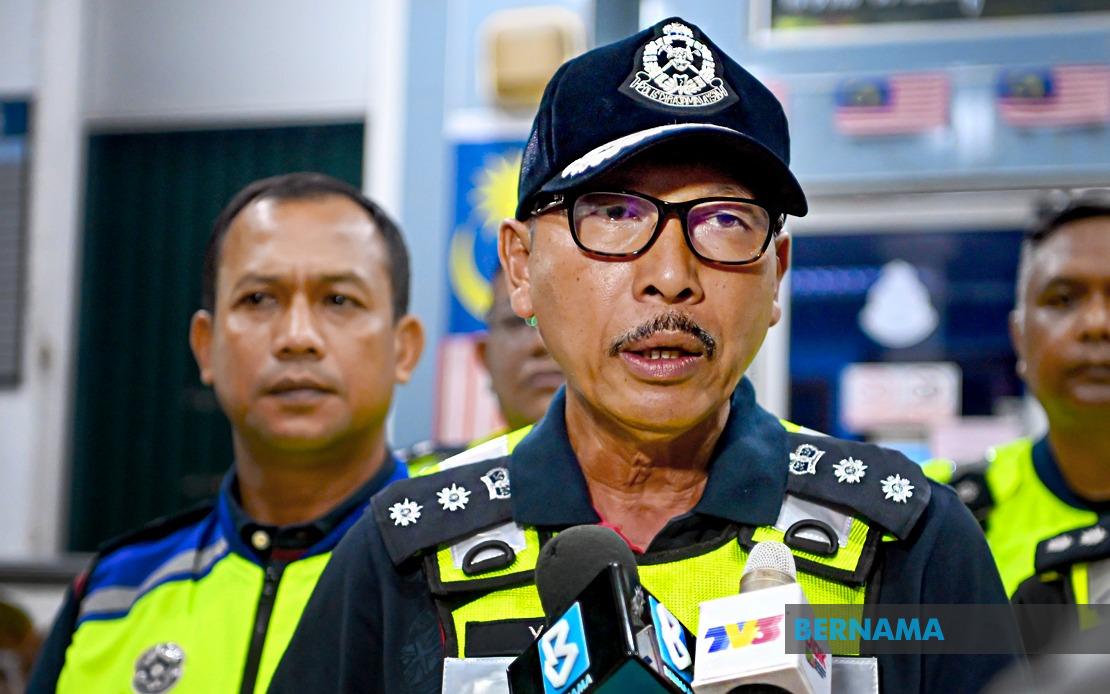
According to Seremban district police chief ACP Mohd Yatim Osman, the vehicle involved in the tragedy has yet to be conclusively identified. Preliminary findings suggest the lorry first made contact with a roadside signpost before veering towards where the volunteer stood working along the shoulder. The force of the impact caused the man to fall heavily, and despite immediate attention, he was pronounced dead at the scene. Police have launched a manhunt for both the vehicle and its driver, who fled immediately following the collision without rendering assistance or remaining to provide details.
This tragic incident underscores a persistent concern during Malaysian electoral campaigns: the hazards faced by ground-level volunteers who perform essential work in promoting their candidates and parties. Thousands of campaign workers across the country undertake similar flag installation and promotional activities during election periods, often working in less-than-ideal conditions along busy highways and rural roads. The nature of this work—requiring individuals to position themselves in traffic zones—inherently exposes these dedicated campaigners to vehicular risks that are frequently underestimated by both organisers and the public.
The circumstances surrounding this particular accident raise troubling questions about road safety protocols during campaign seasons. While political parties routinely mobilise volunteers for these grassroots activities, there is often limited coordination with traffic authorities or implementation of safety measures such as traffic cones, warning signs, or dedicated safety personnel to protect workers from passing vehicles. The Negeri Sembilan tragedy represents a stark reminder that without proper precautions, such well-intentioned campaign efforts can culminate in loss of life.
Police have classified the matter as a hit-and-run incident under Section 41(1) of the Road Transport Act 1987, a serious offence that carries substantial penalties upon conviction. The investigating officer, Inspector Nor Fadzilah Mohd Zainuddin, is currently pursuing leads to identify and apprehend the lorry driver. The fact that the vehicle registration remains unknown has complicated the investigation, though authorities are pursuing multiple avenues including traffic camera footage from the area and witness statements from those present at the time.
For the volunteer's family and the political party he was serving, this loss represents more than a statistical tragedy. It reflects the genuine personal sacrifice that campaign workers make in contributing to democratic processes. Many such volunteers give their time without remuneration, motivated by genuine belief in their candidates or party principles. This incident transforms abstract discussions about election season logistics into a deeply human story of how campaign infrastructure decisions can have fatal consequences.
The broader Negeri Sembilan state election campaign will inevitably be affected by this incident, as party organisers reckon with the reality that their mobilisation activities carry real risks. Other campaigns and party hierarchies may now face pressure from both workers and public opinion to implement enhanced safety protocols when deploying volunteers to roadside locations. This could include mandatory safety gear, required notification to local police, establishment of secure work zones, or restrictions on roadside installation activities during peak traffic hours.
From a Southeast Asian perspective, this incident aligns with documented safety concerns during electoral periods across the region. Indonesia, Thailand, and the Philippines have similarly recorded casualties among campaign workers, highlighting how developing democracies often prioritise electoral participation and campaign momentum over worker safety infrastructure. The Malaysian incident thus carries resonance beyond national borders, serving as a cautionary case study for election management practices.
The police appeal for public information is critical to resolving the case. Residents and road users in the Rantau area who witnessed the incident or possess dashcam footage are encouraged to contact the Seremban police operations room or the investigating officer directly. Community assistance remains essential in tracking down the fleeing vehicle and driver, both for purposes of justice and to ensure accountability under road traffic laws.
As investigations continue, this tragedy will likely catalyse discussions among Malaysian political parties, election commissions, and safety advocates regarding standardised protocols for campaign volunteer protection. Whether such conversations translate into concrete policy changes remains to be seen, but the loss of this 34-year-old worker provides a sobering impetus for the nation to reassess how electoral campaigns balance civic participation against worker safety.

