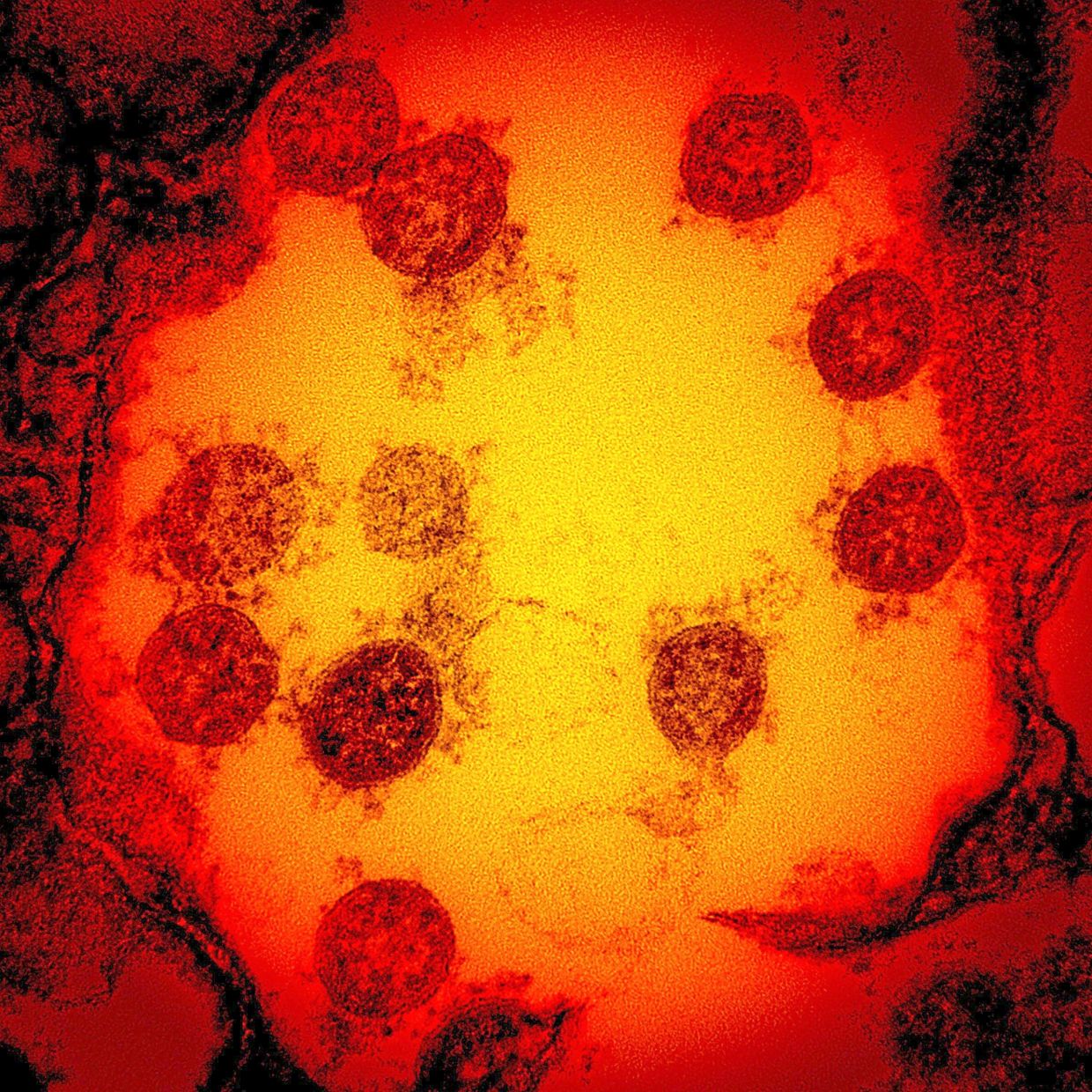
Researchers at Cambridge University have developed a groundbreaking vaccine technology powered by artificial intelligence that could fundamentally reshape how the world responds to viral threats. The innovation, which Prof Jonathan Heeney describes as a "master key" for vaccine development, promises to protect populations against entire families of viruses rather than specific strains, marking a significant departure from conventional immunisation approaches that have dominated public health strategy for decades.
The challenge that traditional vaccines face remains persistent and troubling. Current immunisation programmes are inherently reactive, targeting specific virus strains based on historical data and epidemiological projections. This reactive approach means that populations vaccinated against one variant may find themselves vulnerable to mutations that emerge months later. Prof Heeney, who leads the Laboratory of Viral Zoonotics at Cambridge's Department of Veterinary Medicine, articulates this fundamental flaw with candid clarity: vaccines are constantly "chasing the virus" rather than anticipating and neutralising the entire spectrum of threats a pathogen family might pose. By creating a vaccine technology that recognises shared immune signatures across diverse virus variants, the Cambridge team has eliminated the guesswork that has long plagued pandemic preparedness.
The genesis of this research traces back to the catastrophic 2013-2016 Ebola outbreak in West Africa, an event that exposed critical vulnerabilities in global disease response mechanisms. When the virus first appeared in Guinea, it was initially misidentified as Lassa fever, gastroenteritis, or cholera—a diagnostic confusion that consumed three or four precious months. During this window, the pathogen spread unchecked across three countries: Guinea, Sierra Leone, and Liberia. The World Health Organisation eventually recorded approximately 11,300 deaths, though the true toll was compounded by the loss of countless healthcare workers who fell victim while the international community scrambled to identify what they were fighting. Prof Heeney, who was based in West Africa at the time, witnessed firsthand how the delayed recognition of the threat allowed it to metastasise across borders and populations.
The urgency that emerged from this experience drove Prof Heeney and his colleagues to conceptualise an entirely different approach. Rather than waiting to identify a novel pathogen and then develop vaccines months or years later, the Cambridge team recognised the possibility of creating a platform technology capable of addressing threats before they fully materialise. This vision required harnessing cutting-edge artificial intelligence to analyse vast quantities of viral data, identifying the structural and genetic features that trigger immune responses across multiple virus variants. By feeding AI systems comprehensive information about diverse viruses within a single family, the researchers could detect patterns invisible to conventional analysis—the similarities and differences in the components that human immune systems recognise and attack.
The technology's relevance extends beyond theoretical epidemiology into the observable realities of contemporary infectious disease emergence. Global population growth, increased international travel, and expanding human encroachment into previously undisturbed animal habitats have created unprecedented conditions for zoonotic virus spillover. Animals that have developed natural resistance to viruses they harbour are no longer isolated from human populations. When these pathogens jump species—a phenomenon epidemiologists call zoonosis—they encounter a human immune system with zero existing defences. The results, as Prof Heeney describes it, are severe: "the virus goes crazy." The emergence of SARS-CoV-2, SARS, MERS, and numerous other serious pathogens over recent decades exemplifies this alarming trend, making the development of proactive vaccine platforms not merely advantageous but essential for human survival.
A clinical trial involving 39 volunteers, conducted through University Hospital Southampton and published in peer-reviewed literature, demonstrated the initial feasibility of the approach. This pilot study provided the foundation for advancing the technology to larger-scale trials, bringing the vaccine closer to potential regulatory approval and public deployment. The vaccine was developed collaboratively between Cambridge's research team and DIOSynVax, a British biotechnology firm, reflecting the increasingly important partnership between academic researchers and commercial innovation in modern pharmaceutical development. The transition from small trials to broader clinical evaluation represents a critical juncture in establishing whether this technology can deliver on its theoretical promise.
Prof Heeney's concerns about future pandemic threats remain grounded in historical perspective and current epidemiological realities. The Black Death of the Medieval period and the 1918-1920 influenza pandemic, which killed an estimated 25 to 50 million people globally, demonstrate that mass mortality from viral pandemics is not merely theoretical but a recurring feature of human history. Among current threats, influenza ranks among his highest concerns due to its genetic instability and the speed at which it mutates. A novel influenza strain with pandemic potential remains, in his assessment, one of the "trickier" viruses to manage through conventional vaccine approaches. The ability to create a single vaccine offering protection across multiple influenza variants would represent a transformative leap in pandemic preparedness.
The technological evolution underlying this vaccine platform reflects broader advances in computational biology and machine learning. Prof Heeney emphasises that the AI systems being deployed now represent an entirely new generation beyond the early artificial intelligence tools used to develop the initial prototype. Modern machine learning algorithms can process exponentially larger datasets, identify more subtle patterns, and generate predictions with greater accuracy than earlier systems. This computational power enables researchers to build what Prof Heeney describes as a "real powerful platform" capable of working faster with more comprehensive data, accelerating the vaccine development timeline from years to months or even weeks if a novel pathogen emerges.
For Southeast Asian nations, the implications of this technology warrant close attention. The region's tropical climate, high population density, and significant wildlife-human interface create conditions particularly conducive to zoonotic disease emergence. Countries like Malaysia, with significant forest ecosystems and diverse animal populations, face elevated risks from novel pathogens that could originate in the region and spread globally. An effective broad-spectrum vaccine platform developed by Cambridge researchers would provide an additional layer of protection for regional populations and could reduce the likelihood of pandemics originating in Asia that devastate global health and economies. Furthermore, if this technology proves successful and scalable, it could eventually be adapted by regional pharmaceutical manufacturers and research institutions, creating domestic capacity for rapid vaccine development tailored to local epidemiological threats.
Prof Heeney frames his vision for this technology as the opening of "a whole new era of vaccine manufacturing." Success would require demonstrating not only that the vaccines are safe and effective but also that they actually outperform conventional approaches—a high bar that demands rigorous long-term clinical evidence. The regulatory pathway forward will involve subjecting the technology to the same scrutiny applied to any novel vaccine, including extensive Phase III trials, post-market surveillance, and ongoing safety monitoring. These requirements, while necessary and appropriate, also mean that widespread deployment remains years away rather than imminent.
Yet the fundamental principle underlying the Cambridge approach represents a paradigm shift that could reshape global vaccine development strategy. Rather than perpetually chasing emerging variants, vaccine scientists could move toward creating anticipatory defences that address entire virus families proactively. This shift from reactive to proactive immunisation would address one of pandemic preparedness's most persistent challenges: the time gap between pathogen emergence and vaccine availability. If successfully implemented at scale, this technology could fundamentally alter the trajectory of pandemic response, potentially preventing the next major outbreak from becoming the catastrophe that previous pandemics have been. For global health security and for vulnerable populations in regions like Southeast Asia, the stakes of proving this technology could hardly be higher.

