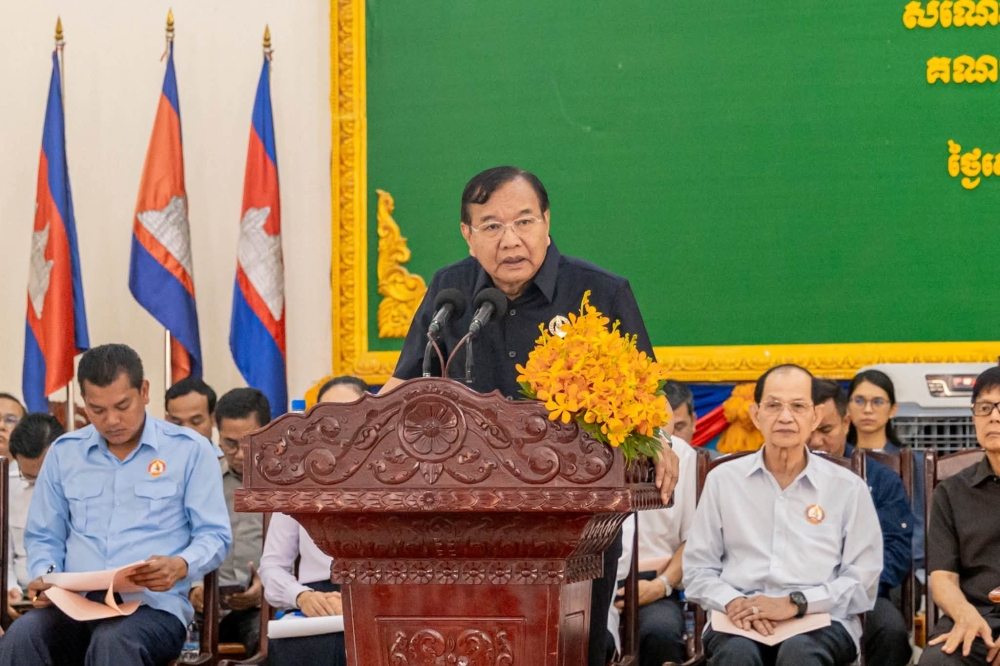
Cambodian Deputy Prime Minister and Minister of Foreign Affairs and International Cooperation Prak Sokhonn touched down in Malaysia on Friday, arriving at Kuala Lumpur International Airport in Sepang for a two-day official state visit. The high-level engagement reflects the two nations' commitment to sustaining and expanding their bilateral relationship, which has strengthened considerably over the past several years as both countries navigate the complexities of regional diplomacy and economic integration within Southeast Asia.
The visit comes at a significant moment for regional affairs, with both Cambodia and Malaysia playing important roles within the Association of Southeast Asian Nations (ASEAN). Prak Sokhonn's dual portfolio as Deputy Prime Minister and foreign minister underscores Cambodia's intent to elevate discussions beyond routine ministerial exchanges, suggesting that the agenda encompasses strategic matters touching on national development, security, and Malaysia's broader role in the region. His presence in Kuala Lumpur indicates the priority Phnom Penh places on maintaining cordial relations with one of ASEAN's most influential members.
The timing of this diplomatic visit carries particular relevance for Malaysian stakeholders interested in Cambodia's trajectory and ASEAN cohesion. Recent years have witnessed shifts in Cambodia's geopolitical positioning, with the government pursuing closer ties across multiple powers while maintaining its ASEAN identity. Malaysia, as a middle-power player with considerable regional influence and economic clout, occupies a distinct position in Cambodia's external relations. The visit likely provides an opportunity for both sides to discuss shared challenges ranging from transnational issues such as trafficking and migration to economic cooperation frameworks that could benefit businesses operating across both nations.
Bilateral economic relations between Malaysia and Cambodia have expanded significantly, with Malaysian investors active in Cambodia's infrastructure, real estate, and manufacturing sectors. The visit furnishes a platform to review existing trade and investment arrangements and potentially explore new avenues for commercial collaboration. Given Malaysia's experience in regional economic integration and its established markets across ASEAN, Cambodian officials often view engagement with Kuala Lumpur as instrumental to positioning Cambodia's economy competitively within the regional landscape. The Deputy Prime Minister's presence signals serious intent to elevate these discussions at the highest levels of government.
During such official visits, delegations typically engage in substantive conversations touching on diplomatic protocols, regional security matters, and coordination within ASEAN structures. The visit duration of two days suggests a full itinerary encompassing meetings with Malaysian counterparts, likely including high-ranking officials in the Foreign Ministry and potentially the Prime Minister's office, depending on the depth of engagement envisaged. These interactions provide valuable opportunities for both nations to align their positions on regional issues and discuss how Cambodia and Malaysia might cooperate more effectively within multilateral forums.
Cambodia's approach to regional engagement has evolved, reflecting its desire to balance relations among major powers while maintaining relevance within ASEAN. Malaysia shares this balancing act, positioned between multiple spheres of influence and competing economic interests. The visit enables both countries to discuss how they might cooperate in facing regional challenges—including stability in the South China Sea, transnational security threats, and the need to maintain ASEAN solidarity amid external pressures. These conversations often occur at the margins of formal meetings, yet they prove crucial for building mutual understanding and coordinating diplomatic efforts.
For Malaysia specifically, a strong relationship with Cambodia carries strategic value. The two nations share maritime interests in the region and can collaborate on issues ranging from environmental protection to disaster management. Additionally, Cambodia hosts a significant Malaysian business presence, with companies operating in sectors critical to regional supply chains. The Deputy Prime Minister's visit represents an opportunity to reaffirm Malaysian commitment to Cambodia's development while ensuring that Malaysian economic interests receive appropriate attention within Cambodian policy-making circles.
The broader context of ASEAN regionalism also influences the significance of such visits. Both Cambodia and Malaysia maintain complex diplomatic schedules, engaging with multiple partners simultaneously while attempting to preserve ASEAN unity and consensus-based decision-making processes. Official visits between senior officials serve as moments to recalibrate relationships, address any outstanding concerns, and demonstrate to both domestic audiences and the international community that bilateral relations remain stable and progressive. For a Deputy Prime Minister of Cambodia to invest time in a Malaysia visit signals that Phnom Penh views this relationship as deserving of high-level attention.
The visit arrives at a time when ASEAN faces considerable external pressures and internal diversities in approaches to regional issues. Having a Cambodian Deputy Prime Minister and foreign minister in Malaysia provides space for frank discussions about ASEAN's future direction and how both countries might contribute to sustaining the bloc's centrality in regional architecture. These conversations, though often conducted behind closed doors, carry implications extending far beyond the bilateral relationship, potentially influencing how both nations approach ASEAN consensus-building and regional coordination on pressing matters.
Looking ahead, such high-level visits typically conclude with joint statements or agreements outlining areas of cooperation and shared commitment. For Malaysian observers, Prak Sokhonn's visit represents a moment to gauge the health of bilateral ties and assess Cambodia's openness to deepening economic and security partnerships. The visit duration and composition of the Cambodian delegation provide indicators of how seriously Phnom Penh approaches this engagement, whether it represents routine diplomatic courtesy or signals intentions to initiate substantive new initiatives in bilateral cooperation that could reshape how Malaysia and Cambodia interact across multiple domains.

