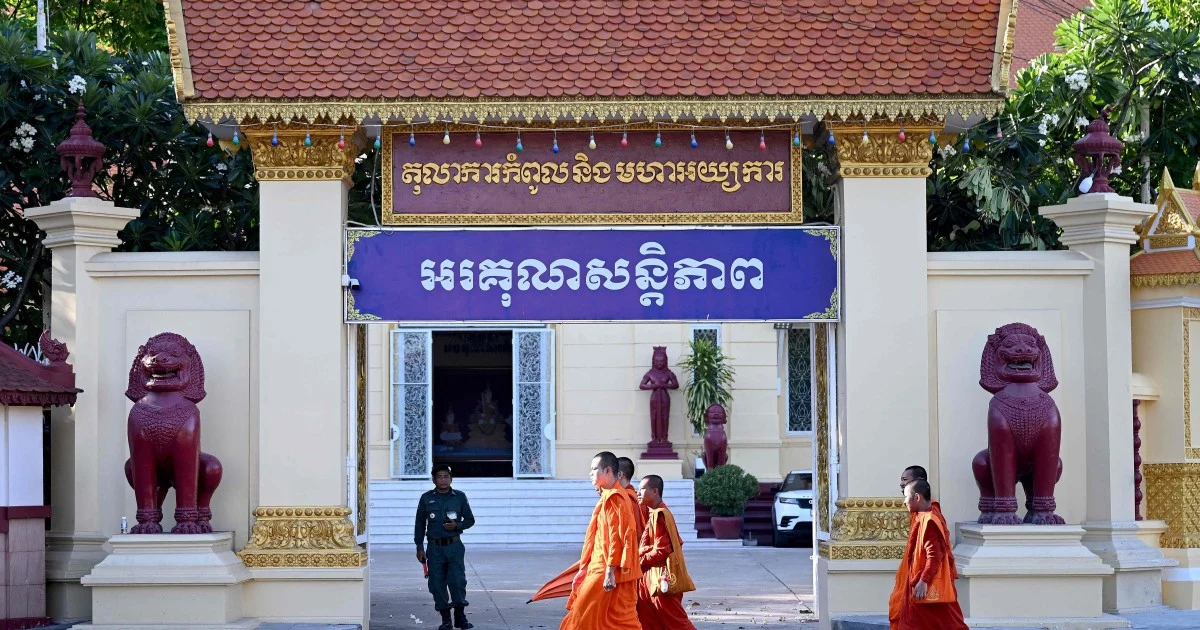
Cambodia's Supreme Court has rejected an appeal by two journalists and upheld their 14-year prison sentences after they were convicted of treason. The decision, handed down on Thursday, relates to the posting of a photograph taken within a military-restricted zone following border clashes between Cambodian and Thai forces, according to a judge cited by AFP.
The case represents a significant blow to press freedom advocates in Southeast Asia, where constraints on media independence have been a persistent concern. The treason convictions carry particular gravity in the Cambodian legal system, reflecting how authorities have interpreted national security concerns in relation to journalism. The two reporters had challenged their convictions at Cambodia's highest court level, but the appeal was unsuccessful, leaving them with exhausted domestic remedies.
Border tensions between Cambodia and Thailand have flared periodically over disputed frontier areas, particularly around temple complexes and territorial demarcations that remain contested. The military restricts access to certain zones during active tensions, citing security concerns. The journalists' decision to obtain and share a photograph from such a restricted region placed them in direct conflict with these security protocols, though the image itself did not appear to contain classified military information by conventional standards.
The treason designation is notable because it carries implications beyond typical press law violations. Treason charges typically involve betraying one's country or aiding enemies, a far more serious allegation than breaching operational security or publishing restricted information. This classification suggests Cambodian authorities viewed the journalists' actions as fundamentally threatening to national interests rather than merely problematic under media regulations. The severity of the charges and sentences reflects how some Southeast Asian governments view unfettered access to information from sensitive zones.
For Malaysia and the broader region, this case underscores ongoing tensions between national security frameworks and journalistic practice. Media freedom organisations have consistently raised concerns about how governments define and prosecute national security offences, particularly when journalists report on military operations or territorial disputes. The Cambodia decision may have ripple effects across Southeast Asian newsrooms, where reporters regularly navigate complex restrictions on accessing conflict zones and border regions.
The appeal rejection also illustrates the limited independence of judicial review in challenging government decisions on national security matters. Supreme courts in several Southeast Asian nations have shown reluctance to overturn security-related convictions, effectively limiting the protective function that higher courts might otherwise provide for fundamental freedoms. This pattern reinforces concerns among media advocates that the judiciary offers insufficient checks on executive interpretations of security law.
Cambodia's decision comes amid broader global trends of governments using national security justifications to constrain reporting. Journalists in multiple countries have faced prosecution for accessing restricted areas or publishing sensitive information, creating a chilling effect on investigative journalism touching defence and military matters. The case demonstrates how geopolitical sensitivities, particularly around disputed borders, can translate into severe legal consequences for media practitioners.
The two journalists now face the prospect of serving their full 14-year sentences unless they pursue international legal remedies or are eventually granted executive clemency. Their imprisonment would represent a significant loss to Cambodia's already-constrained media landscape. The country has experienced decades of journalist arrests, harassment, and legal challenges that have steadily reduced editorial independence and investigative capacity.
Regional press freedom organisations are likely to scrutinise this decision as part of a broader assessment of freedom of expression trends in Southeast Asia. Malaysia, with its own complex relationship between national security laws and media practice, remains attentive to how neighbouring countries handle such cases. The Standards set by Cambodia's courts regarding journalists' access to sensitive zones and the legal consequences of breaching those boundaries may influence debates elsewhere in the region about balancing security imperatives with reporting rights.
The Supreme Court's affirmation of the original sentences suggests that lower courts' interpretation of treason law in this context has been validated at the highest judicial level. This creates a legal precedent that may inform how similar cases are handled in Cambodia going forward, potentially discouraging journalists from attempting to document military operations or access restricted border regions, even for legitimate reporting purposes.
Moving forward, the case highlights the vulnerability of media practitioners in jurisdictions where national security laws remain broadly defined and judicial oversight of their application remains limited. For Cambodian journalists and their counterparts throughout Southeast Asia, the decision reinforces the substantial professional and personal risks associated with reporting on military and border-related matters, regardless of the public interest value such reporting might serve.

