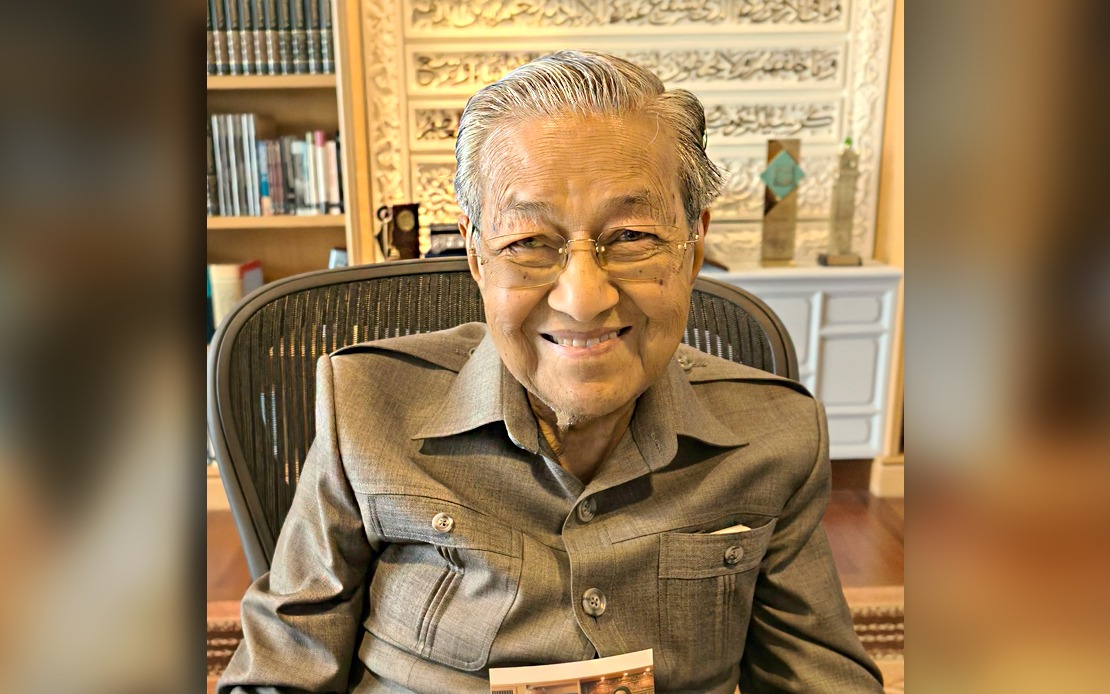
Multiple Cabinet ministers extended their birthday greetings to former Prime Minister Tun Dr Mahathir Mohamad on Wednesday as the veteran statesman reached his 101st birthday, an occasion that underscores his remarkable longevity and continued relevance in Malaysian public life. The gestures of goodwill from current senior government figures illustrate the respect and recognition afforded to one of Southeast Asia's longest-serving leaders, despite the often contentious nature of Malaysian politics and the various political realignments that have characterised the nation's recent years.
Communications Minister Datuk Fahmi Fadzil was among the first to mark the occasion, posting on social media that he hoped the former leader would enjoy sustained good health, contentment, and blessings in his life ahead. His message highlighted the milestone nature of reaching 101 years, framing it as an extraordinary achievement worthy of public acknowledgment. The sentiment expressed reflects a common theme in Malaysian political culture, where respect for elder statesmen often transcends partisan divisions, particularly when they have served the nation in the highest office.
Other senior government members also took the opportunity to publicly recognise Dr Mahathir's birthday. Minister in the Prime Minister's Department (Law and Institutional Reform) Datuk Seri Azalina Othman Said and Higher Education Minister Datuk Seri Dr Zambry Abd Kadir similarly offered their wishes, each invoking religious sentiments and expressing hopes that the former premier would be blessed with robust health and divine favour. Such coordinated public recognition from multiple ministerial ranks suggests an institutional acknowledgment of Dr Mahathir's historical importance to Malaysia.
Dr Mahathir's life has spanned nearly the entire modern history of independent Malaysia. Born on July 10, 1925, in Alor Setar, Kedah, he came of age during the final years of British colonial rule and witnessed the nation's emergence as an independent state. His formative years were marked by the political and social transformations that shaped the early decades of the Federation of Malaya and subsequently the expanded Malaysia, experiences that informed his approach to governance.
His tenure as Prime Minister proved transformative for the nation's economic and social landscape. Serving from 1981 to 2003, Dr Mahathir implemented the ambitious Vision 2020 development agenda, oversaw rapid industrialisation, expanded infrastructure investment, and positioned Malaysia as a emerging economy on the global stage. His two decades in office encompassed periods of substantial economic growth, though they also witnessed controversies and significant political developments that remain subjects of ongoing national debate. During this period, Malaysia transitioned from a primarily agricultural economy toward manufacturing and service sectors.
Perhaps equally remarkable as his first tenure was his political comeback. At the age of 92, Dr Mahathir returned to the office of Prime Minister from 2018 to 2020, a development that made international headlines and established him as the world's oldest serving prime minister at that time. This unprecedented second innings demonstrated both his political resilience and the complex dynamics of Malaysian politics, where elder statesmen sometimes re-enter the political arena to address what they perceive as critical national challenges. His return highlighted generational anxieties within the electorate and the belief held by his supporters that his experience and vision remained essential to national leadership.
The centennial milestone Dr Mahathir has now surpassed holds significance beyond mere demographic achievement. In most societies, reaching 101 years represents an exceptional rarity, and in Malaysia's context, it is particularly noteworthy for a figure who has maintained such active engagement with public affairs and political discourse. Few national leaders anywhere have extended their public presence across such a lengthy span, and fewer still have commanded the kind of continuing attention and respect that Dr Mahathir continues to receive across Malaysian society.
The birthday tributes from current Cabinet ministers also reflect pragmatic political considerations. Acknowledging the contributions and longevity of preceding leaders, particularly those who served with distinction, has become an accepted practice in Malaysian governance. These gestures help maintain continuity of institutional respect and underscore the importance of succession planning and intergenerational dialogue within political circles. They also serve to depoliticise certain aspects of national history, framing the contributions of former leaders as part of the broader national narrative rather than purely partisan achievement.
Dr Mahathir's extended lifespan has allowed him to witness and comment upon developments that might ordinarily span multiple generations of political leadership. His perspectives on contemporary issues, shaped by decades of experience in governing the nation through various economic cycles and international transitions, continue to attract attention and debate. Whether his interventions in current affairs are viewed positively or negatively often depends on one's political alignment, but his ability to maintain relevance into his second century of life remains analytically significant.
The public recognition accorded to Dr Mahathir's birthday also demonstrates how Malaysian society negotiates relationships with controversial figures from its past. While his tenure saw achievements that many celebrate, it also witnessed incidents and policies that remain contested and subject to critical examination. The simultaneous capacity to acknowledge accomplishments while maintaining space for historical scrutiny reflects a maturing political culture, though tensions between these impulses continue to characterise Malaysian political discourse.
Looking forward, Dr Mahathir's continued presence in Malaysian public consciousness raises questions about the nature of political legacy and the role of elder statesmen in contemporary governance. As Malaysia faces challenges including economic pressures, demographic changes, and evolving regional dynamics, the wisdom and experience of previous leaders—even those whose policies are contested—may remain relevant to national conversations. The birthday tributes from current ministers suggest that Malaysia's political establishment recognises the value of maintaining respectful engagement with figures who have shaped the nation's trajectory.

