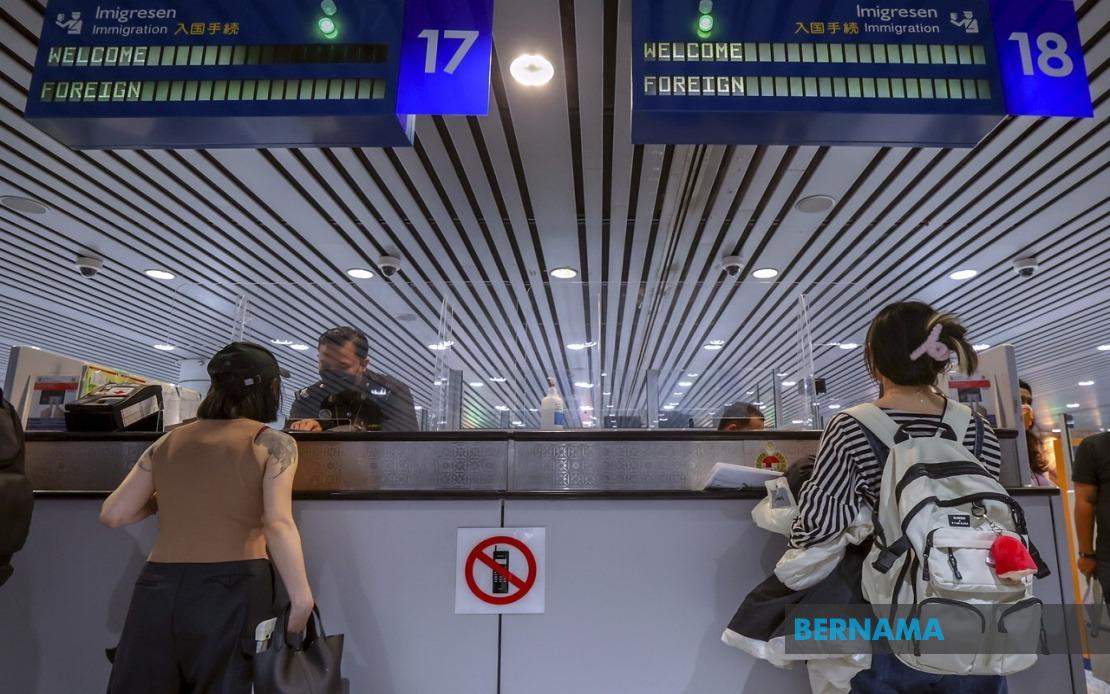
Malaysia's Cabinet has endorsed a comprehensive security enhancement programme spanning 17 recommendations aimed at tightening controls, screening protocols and risk assessment procedures at Kuala Lumpur International Airport and the country's international entry points. The initiative, presented through a joint memorandum from the Home Ministry and Ministry of Transport, represents a coordinated response to mounting concerns about vulnerabilities in Malaysia's border security framework.
The approval follows a series of incidents that have exposed gaps in existing safeguards, most notably the arrest of a Malaysian pilot at Soekarno-Hatta International Airport in Indonesia, who was apprehended with approximately 25 kilogrammes of MDMA. This high-profile case and related smuggling attempts have triggered heightened scrutiny of airport operations and the vetting procedures governing aviation sector employees. The government's response signals recognition that Malaysia's reputation as a secure international aviation hub depends on demonstrable improvements to its screening and risk management systems.
The implementation roadmap encompasses three distinct phases, each addressing different operational requirements. The short-term phase prioritises six critical actions designed to immediately strengthen existing security infrastructure without requiring extensive resource reallocation. These measures include risk-based targeted screening that enhances inspection of identified high-risk flights, passengers, crew members and baggage. By concentrating screening efforts on intelligence-informed risk profiles rather than blanket approaches, authorities aim to improve detection rates whilst maintaining operational efficiency across the airport's massive daily passenger volumes.
A second immediate priority involves the e-Vetting and access control framework, which will examine and reinforce security screening procedures for all personnel requiring entry to restricted areas. This encompasses flight crews, airline staff, ground operations teams, handling personnel, airport operator employees, vendors and contractors. The current system has evidently failed to prevent individuals involved in trafficking from accessing secure zones, necessitating more rigorous pre-clearance protocols and ongoing re-vetting of existing personnel.
Drug screening for aviation personnel constitutes the third short-term measure, establishing mandatory pre-employment, periodic and random drug testing for pilots, cabin crew and related staff. This intervention directly targets the supply chain vulnerability exemplified by the Indonesian arrest, recognising that individuals in aviation roles occupy uniquely advantageous positions for contraband movement across borders. The remaining immediate actions involve increasing visible security presence, enhancing inter-agency information sharing and establishing a dedicated Home Ministry-Transport Ministry Technical Committee to oversee coordinated implementation.
The medium-term phase shifts focus toward building systemic capacity through technology development, asset acquisition and human resource enhancement. This reflects understanding that short-term measures, whilst necessary, cannot sustainably address vulnerabilities without underlying improvements to infrastructure, personnel expertise and operational capabilities. Investment in advanced screening technology, improved baggage handling systems and enhanced information management platforms will lay the foundation for more sophisticated risk detection and prevention.
Long-term strategic initiatives encompass system transformation, inter-agency information integration and improved governance structures, with planned expansion of the enhanced framework to international entry points nationwide. The implementation approach recognises that security requirements vary significantly across Malaysia's diverse ports of entry, with expansion decisions based on threat assessments and operational suitability at individual locations. This risk-based geographic rollout ensures resources concentrate where vulnerabilities are greatest whilst allowing tailored solutions reflecting each entry point's unique characteristics.
The phased implementation timeline reflects pragmatic recognition of financial and operational constraints facing government agencies. KLIA, as the nation's primary international aviation gateway and the location of the security breaches triggering this review, will serve as the prototype implementation site. Success at KLIA will provide operational lessons and performance data informing subsequent expansions to other major entry points including secondary airports, seaports and land crossings.
Government officials have emphasised that the programme will proceed with professional execution, legal compliance and respect for individual rights and data protection standards. This framing addresses potential concerns about civil liberties implications of enhanced screening and monitoring, particularly regarding random drug testing and expanded background vetting of airport workers. The stated commitment to balancing security imperatives with passenger convenience and industry interests seeks to maintain stakeholder confidence amid tighter controls.
The initiative carries significant implications for Malaysia's international standing and tourism competitiveness. News of smuggling through major airports can deter both international travellers and airlines from utilising Malaysian facilities, directly threatening the economic benefits of aviation sector activity. The Cabinet's visible commitment to security enhancement serves both practical border control objectives and strategic messaging to international partners and the aviation industry that Malaysia takes smuggling risks seriously.
The involvement of both the Home Ministry and Transport Ministry in developing this response underscores the cross-cutting nature of airport security challenges. Home Ministry responsibilities encompassing national security and law enforcement intersect with Transport Ministry functions overseeing civil aviation operations and infrastructure. This inter-agency coordination framework, formalised through the proposed Technical Committee, seeks to eliminate gaps where security and operational considerations diverge, ensuring that screening enhancements do not compromise the efficiency required for Malaysia to remain an attractive transit hub.
For regional observers and international aviation bodies, the programme demonstrates Malaysian authorities' responsiveness to emerging security threats. In an era of sophisticated transnational smuggling networks and evolving aviation security challenges, proactive policy responses differentiate destinations viewed as serious about border integrity. The government's articulation of specific, measurable recommendations suggests technical engagement with security challenges rather than reactive posturing.
The broader context involves growing drug trafficking flows across Southeast Asia, where sophisticated networks exploit vulnerabilities in airport security systems and corrupt individuals within aviation sectors. Malaysia's geographic position on major trafficking routes through Southeast Asia elevates the strategic importance of maintaining robust screening systems. The Cabinet-approved initiative acknowledges these regional realities whilst demonstrating commitment to protecting Malaysia's reputation as a professionally managed international gateway.

