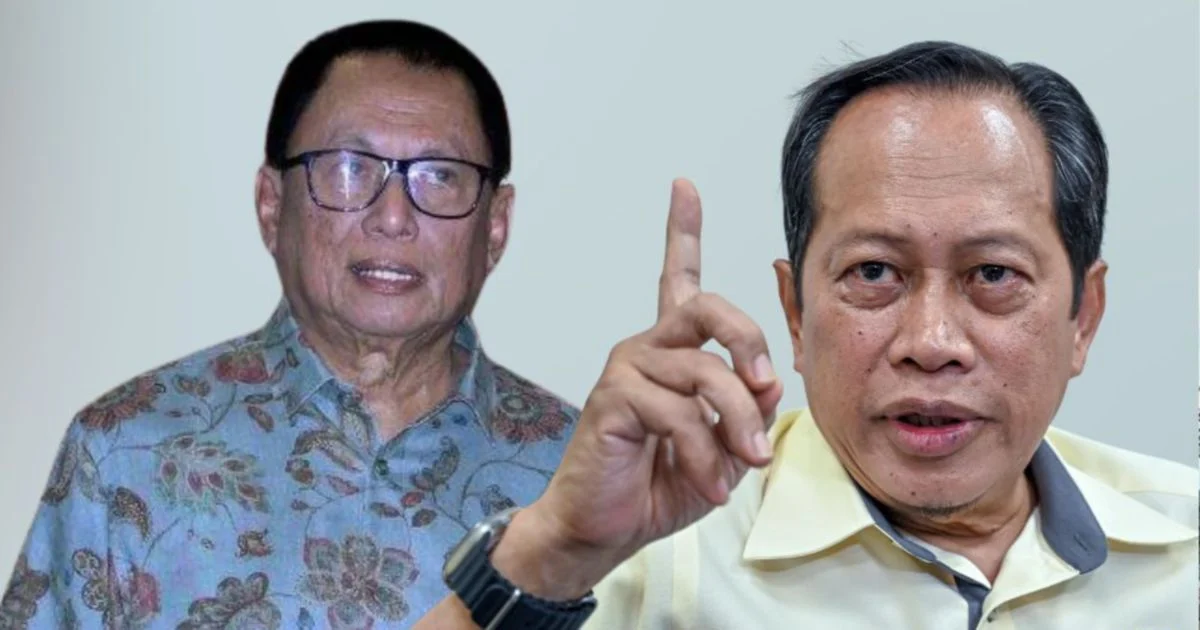
Datuk Seri Ahmad Maslan, the deputy chairman of Umno in Johor, has delivered a cautionary message to party members about the realistic timeline required for nurturing the next generation of political leaders. Speaking in Johor Baru, he stressed that the process of developing competent leaders cannot be accelerated through unconventional means, and that there are no quick routes to securing high-ranking positions within the party hierarchy or securing election candidacies.
The timing of Ahmad Maslan's remarks appears significant given the ongoing discussions within Umno about succession planning and the identification of fresh talent to revitalize the party's presence across Malaysia. His emphasis on patience and genuine development reflects broader concerns within the party about maintaining stability while introducing new faces into leadership roles. The challenge facing Umno, like many long-established political parties, involves balancing the desire to introduce younger voices with the need to ensure these leaders have adequate preparation and experience.
Leadership development within political parties typically follows multiple pathways, each requiring sustained engagement. Ahmad Maslan's comparison of politics to a marathon rather than a sprint suggests that aspirants must demonstrate commitment over extended periods, accumulate practical experience in various party roles, and develop the skills necessary to navigate complex political landscapes. This approach contrasts sharply with attempts to fast-track promising individuals through the ranks, which often results in leaders lacking sufficient grounding in party organization and constituent relations.
For Malaysian political parties, the importance of gradual leadership succession cannot be overstated. The country's democratic system depends on the steady emergence of capable leaders who understand both party machinery and the needs of diverse constituencies. When advancement occurs too rapidly, new leaders may struggle to command respect from established figures within their own organizations, potentially creating internal divisions and weakening party effectiveness. Ahmad Maslan's message serves as a reminder that shortcuts in political development frequently lead to instability.
The emphasis on experience reflects the reality that effective political leadership demands more than ambition or charisma. Leaders must understand legislative processes, develop relationships with colleagues across party lines, cultivate skills in public communication, and demonstrate their ability to represent constituent interests effectively. These competencies develop through sustained involvement in party structures, community work, and increasingly responsible roles. Rushing this process inevitably produces leaders unprepared for the demands they face.
Within Umno specifically, the party has traditionally relied on hierarchical structures where younger members progress through established ranks. However, the party's recent electoral setbacks have prompted some to question whether the current pace of development serves the organization's interests. Ahmad Maslan's intervention suggests that senior party figures recognize the need to communicate realistic expectations to ambitious members while simultaneously emphasizing the party's commitment to identifying and nurturing genuine talent.
The challenge for Umno extends beyond simply waiting for leaders to mature naturally. The party must simultaneously create environments where new leaders can develop their capabilities, take on meaningful responsibilities, and demonstrate their value to broader party structures. This requires intentional mentorship, exposure to various organizational challenges, and opportunities to build track records in different contexts. Without such structured approaches, the party risks either stalling development entirely or allowing the most impatient members to seek advancement elsewhere.
Regionally, Umno's approach to leadership succession carries implications for Malaysian politics more broadly. The party's position as a major component of the Barisan Nasional coalition means that internal stability and effective leadership development directly influence coalition dynamics and government effectiveness. When major parties struggle with succession planning, the entire political system can suffer from uncertainty and internal conflict. Ahmad Maslan's emphasis on methodical development suggests Umno's leadership recognizes these broader implications.
For younger Umno members frustrated with limited advancement opportunities, Ahmad Maslan's message may initially seem discouraging. However, his framing emphasizes that patience ultimately serves their interests by ensuring they enter leadership positions with genuine capability and legitimacy. Members who rush their advancement often find their authority questioned and their effectiveness compromised. By contrast, those who invest time in developing expertise and building relationships within their party tend to command greater respect and achieve more durable influence.
The broader political context makes Ahmad Maslan's message particularly relevant. As Malaysian politics continues evolving with demographic changes and shifting voter preferences, parties must balance innovation with stability. This requires leaders who understand both traditional party structures and contemporary political realities. Such leaders cannot be produced through accelerated advancement; they emerge from sustained engagement with both party organization and the communities they serve.
Moving forward, Umno's ability to identify and develop new leaders according to realistic timelines may well determine its competitiveness in future elections. Ahmad Maslan's message to party members essentially argues that investment in gradual, thorough leadership development represents the surest path to strengthening the organization. For a party navigating significant challenges in contemporary Malaysian politics, such patience and strategic thinking about succession may prove essential to long-term viability.

