The Malaysian government has reversed an earlier reduction in subsidised fuel allocations, restoring the BUDI MADANI RON95 programme quota to 300 litres per month starting September 1, a move welcomed by the media industry as a necessary correction to cost pressures faced by newsroom staff nationwide. Prime Minister Datuk Seri Anwar Ibrahim announced the reinstatement during his National Day 2026 address at the Putrajaya International Convention Centre, framing the decision as enabling 16 million Malaysians to continue benefiting from the RON95 fuel subsidy at the fixed price of RM1.99 per litre.
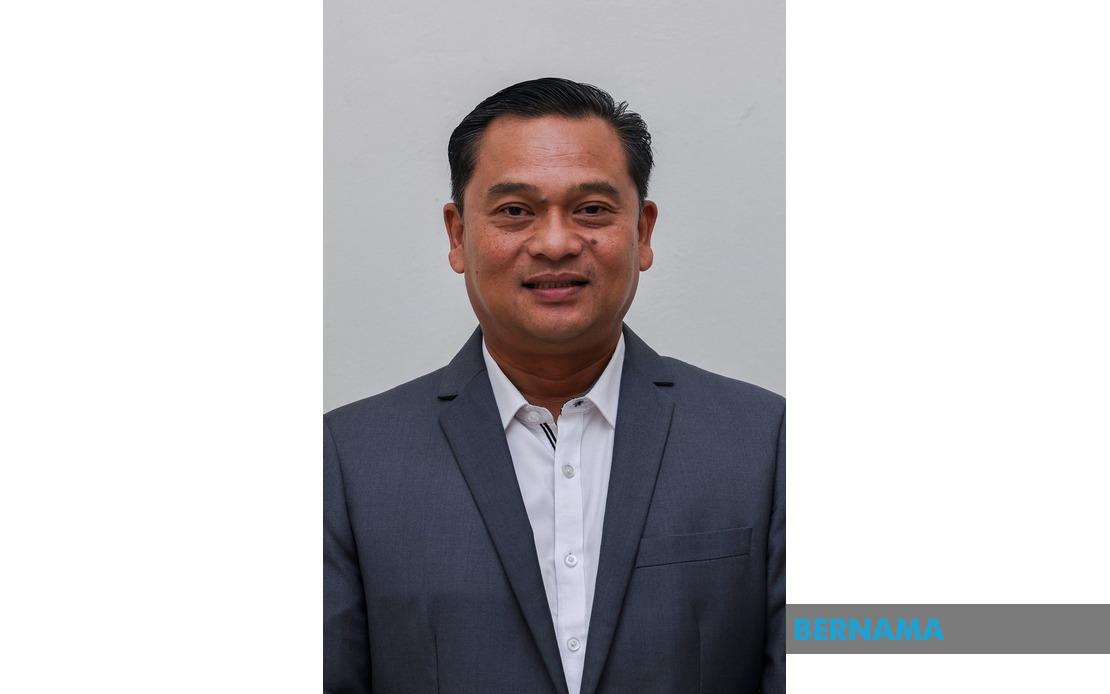
The Association of Malaysian Media Clubs (GKMM) has expressed strong approval for the government's reversal, describing the adjustment as a meaningful relief for journalists working across the country. GKMM president Mohd Fauzi Ishak emphasised that the reinstatement addresses hardships particularly acute for media practitioners stationed outside Kuala Lumpur, who had borne mounting monthly expenses following the March 26 decision to reduce the quota from 300 to 200 litres per month effective April 1, 2026.
The previous quota reduction, implemented in response to geopolitical tensions in West Asia and associated fuel market volatility, had created genuine financial strain within the journalism profession. Media workers operating in state capitals and regional centres found themselves compelled to supplement their fuel allocations with personal funds, directly impacting take-home earnings and making it increasingly difficult for news organisations to retain talented reporters and photographers. The logistics of newsgathering—travelling between multiple news events, conducting field interviews, and maintaining daily coverage across dispersed communities—made the 200-litre monthly allowance inadequate for many professionals.
Mohd Fauzi outlined that fuel and travel expenses represent a substantial portion of monthly costs for media practitioners, particularly those in rural and state-based positions. These expenditures extend beyond simple commuting; they encompass the genuine operational costs of journalism itself—visiting parliamentary sessions, attending government announcements, covering community events, and responding to breaking news situations that often require rapid mobilisation across considerable distances. Without adequate fuel allocations, these essential journalistic functions become economically burdensome for individual workers.
Beyond the government's subsidy restoration, GKMM has called upon media companies and news agencies throughout Malaysia to reassess their compensation structures for staff. The association urges employers to consider introducing supplementary allowances or incentive schemes that recognise the mounting operational costs journalists face in contemporary practice. This appeal reflects a broader concern that while government subsidies provide baseline support, private sector organisations bear responsibility for ensuring their employees can perform professionally without personal financial hardship.
The BUDI MADANI programme represents a significant government intervention in fuel markets, designed to protect household budgets and support operational costs for essential service providers including media personnel, logistics workers, and emergency responders. By maintaining subsidised RON95 at RM1.99 per litre while extending the monthly quota back to 300 litres, the government has attempted to balance fiscal sustainability with practical recognition that international oil price fluctuations and regional instability create legitimate pressures on fuel-dependent sectors.
For Malaysian journalism specifically, the quota restoration carries implications beyond individual worker finances. Media organisations operating with financially stressed staff face recruitment and retention challenges that ultimately affect news quality and coverage breadth. When journalists must choose between investigating important stories and managing personal fuel costs, the broader public interest in informed debate and transparency suffers. The GKMM's position reflects this systemic concern—that adequate support for media workers translates into better public information and stronger democratic accountability.
The March 26 adjustment had occurred within a volatile international context, with Middle Eastern tensions creating uncertainty in global petroleum supplies and pricing. The government's initial response represented precautionary fiscal management, attempting to contain subsidy expenditure during a period of potential supply disruption. However, subsequent months appear to have brought greater market stabilisation and clearer assessment of actual cost impacts, enabling policymakers to recalibrate the programme without abandoning its fundamental protective objectives.
The reinstatement also signals government recognition that media practitioners occupy a distinct operational category requiring differential support compared to purely private consumer sectors. Unlike discretionary personal vehicle use, professional journalism requires consistent fuel access to fulfil public information obligations. This distinction has shaped policy discussions internationally, where many governments maintain targeted fuel subsidies for essential service sectors even while reducing broader consumer supports.
Moving forward, the GKMM's call for enhanced employer-provided allowances suggests the industry recognises that government subsidies, while valuable, may require supplementation through voluntary corporate measures. Forward-thinking news organisations may discover that transparent fuel allowances and logistics support represent cost-effective strategies for retaining experienced journalists and maintaining newsroom stability. This dual-track approach—combining government subsidy with targeted employer investment—could provide more reliable cost protection than reliance on subsidy programmes alone.
The practical implementation of the increased quota commencing September 1 requires coordination across fuel retailers and the BUDI MADANI administrative system to ensure seamless application across Malaysia's dispersed media workforce. State-based practitioners who experienced genuine hardship during the four-month reduced-quota period should see immediate relief, enabling reinvestment of previous supplementary spending into other professional development or personal necessities. For news organisations, the restoration provides budgetary predictability for the remainder of 2026 and presumably beyond.
Ultimately, the quota restoration reflects an implicit government acknowledgment that media sector support deserves continued prioritisation amid broader economic management challenges. As Malaysia navigates complex regional geopolitics and maintains development objectives, ensuring that journalists can work effectively without personal financial distress remains essential to informed public discourse and transparent governance.

