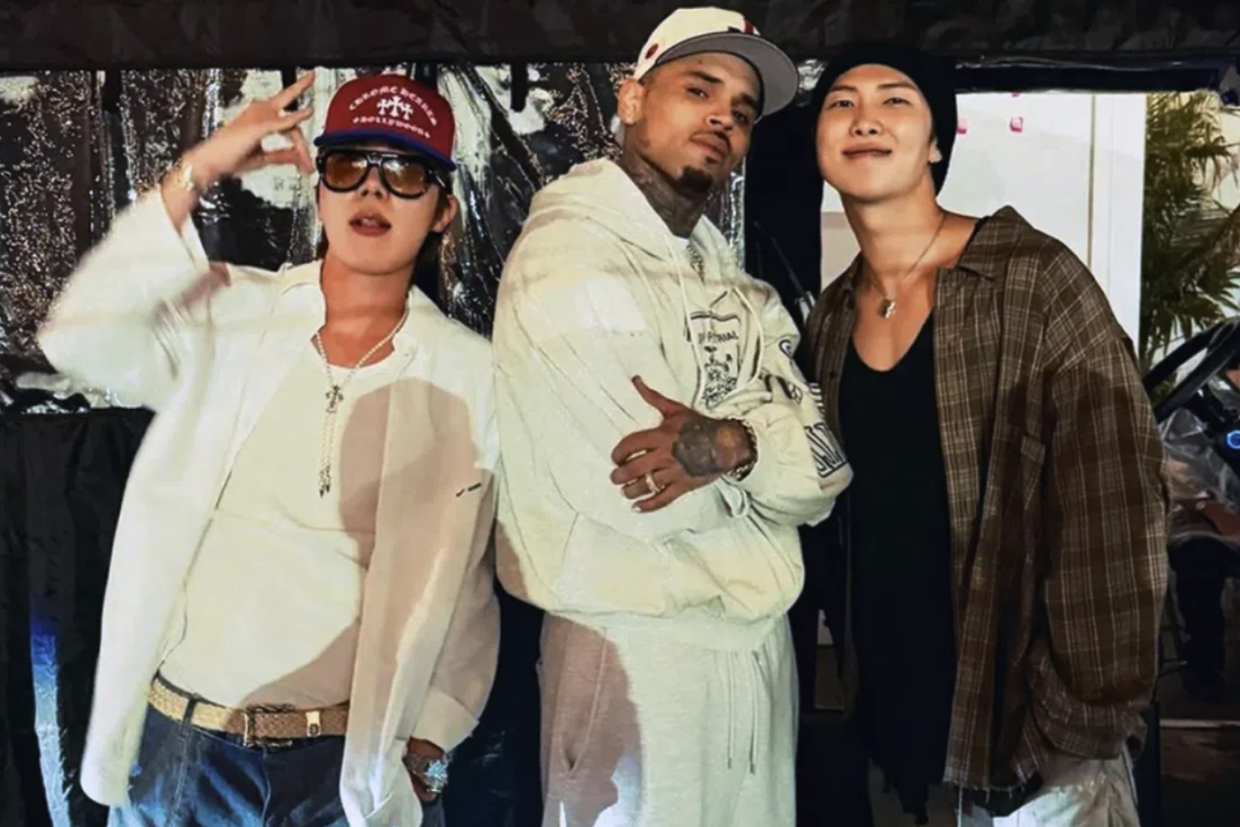
The K-pop phenomenon BTS has encountered significant pushback from its fanbase after two of its members were spotted attending a concert by American musician Chris Brown in Canada last month. The controversy emerged when Brown posted a photograph alongside BTS leader Kim Namjoon, known professionally as RM, and rapper Jung Hoseok, widely recognised as J-Hope, on August 13. The image quickly circulated across social media platforms, prompting intense discussion among the group's devoted international audience about the implications of supporting artists with troubling legal histories.
Chris Brown's past presents a lengthy catalogue of serious allegations and convictions that have kept him in public scrutiny for over a decade. Most notably, the 35-year-old was convicted in 2009 for domestic violence against his then-girlfriend Rihanna, a case that shocked the music industry and became a defining moment in discussions about celebrity accountability. Beyond this widely-known incident, Brown's legal troubles have continued to mount. In 2016, he faced arrest for threatening a woman with a firearm at his Los Angeles residence, subsequently obtaining bail. Two years later, he was accused of conspiring with associates at his home to sexually assault a woman, though the criminal case was ultimately resolved through settlement.
The list of allegations extended further in subsequent years. During a 2019 trip to Paris, Brown was detained after a woman filed a rape complaint against him, allegations that were eventually dismissed and resulted in his release. More recently, in 2022, he faced accusations of drugging and sexually assaulting a woman aboard a yacht in Miami, with court documents identifying the complainant as Jane Doe and detailing her expressed fear for her safety. Beyond criminal matters, a Los Angeles jury determined in a civil case that Brown bore financial responsibility for injuries sustained by a housekeeper's sister in a dog attack at his residence, awarding her US$12.9 million in damages. This accumulated record of legal entanglements provided the immediate context for fan outrage.
The reaction from BTS's fanbase, collectively known as the Army, ranged from disappointment to anger at what many perceived as a tacit endorsement of abusive behaviour. One fan, herself a survivor of sexual assault, expressed particular distress at discovering that musicians she admired and looked up to were associated with someone accused of serious crimes against women. Her statement—"I am a woman before I am an Army"—encapsulated the moral conflict many felt between their devotion to the group and their opposition to violence against women. This sentiment resonated across multiple social media platforms, with numerous accounts sharing similar feelings of betrayal and questioning whether celebrity status should exempt individuals from ethical standards.
However, the fanbase remained divided, with substantial numbers of supporters rallying to defend their idols against what they characterised as excessive scrutiny. Some argued that celebrities deserved the same freedoms as ordinary people to attend concerts and support artists they enjoyed, questioning why the private entertainment choices of BTS members warranted public condemnation. These defenders contended that enjoying someone's music need not constitute a comprehensive moral endorsement of their entire history or character. The debate evolved into a broader discussion about the boundaries between personal autonomy and public responsibility.
Critics of this defensive stance pointed out that the calculus changed fundamentally when considering the scale of influence wielded by global superstars. BTS commands one of the largest and most devoted fanbases in contemporary music, with messaging power that extends across continents and generational lines. Several users on platform X articulated the argument that celebrities bearing such massive platforms carried heightened moral obligations that exceeded those of ordinary concert-goers. The visibility of their choices and associations, they argued, inevitably conveyed messages to their audiences about which behaviours were acceptable or tolerable. Allowing prominent figures to support artists with histories of abuse without consequence, commentators suggested, created permissive environments where such conduct could continue unchecked.
The discourse also explored subtler dimensions of complicity and silence. Some participants highlighted the distinction between actively committing misogynistic acts and passively enabling them through association or inaction. This framework suggested that men—and by extension, public figures of any gender—who maintain silence regarding documented abuse while refusing to distance themselves from perpetrators effectively become complicit in perpetuating harm. The appearance at Brown's concert was interpreted through this lens as a form of implicit endorsement, one that carried particular weight given BTS's reputation for progressive messaging and their substantial female fanbase.
One notable intervention in the debate referenced Swedish artist Zara Larsson, who has previously collaborated with BTS. In a widely-shared video clip, Larsson was asked which artists she would never support, and she responded by revealing that she maintains multiple abusers blocked on her music streaming accounts. When specifically naming Chris Brown as an example of an artist she refuses to engage with, Larsson provided a contrasting model of how public figures with ethical commitments approach such situations. Her unequivocal stance served as an implicit critique of the BTS members' concert attendance, demonstrating that alternative choices were available to artists unwilling to associate with perpetrators of violence.
This controversy emerged amid broader questions about celebrity culture and accountability in the digital age. The incident illuminated tensions between personal freedom, artistic appreciation, and collective moral responsibility that persist across the entertainment industry. For Malaysian and Southeast Asian audiences, the debate held particular relevance given the region's growing investment in K-pop culture and the influence that BTS wields over millions of young fans. The incident prompted reflection on what standards audiences and the industry should expect from artists occupying such influential positions, and whether celebrity status should provide exemption from the ethical frameworks that guide ordinary social conduct.
The timing of the controversy compounded ongoing discussions about BTS's recent choices and collaborations. Just weeks prior, the group had announced a partnership with Google's artificial intelligence platform Gemini for an advertisement campaign intended to showcase technological innovation and artistic possibility. That initiative had already sparked fan criticism centred on environmental concerns regarding AI development and implementation. The successive controversies suggested an emerging pattern that troubled sections of the fanbase, raising questions about the group's alignment with the values and concerns increasingly important to their audience. Together, these incidents have triggered broader conversations about celebrity responsibility, platform power, and the gap between public image and private choices.

