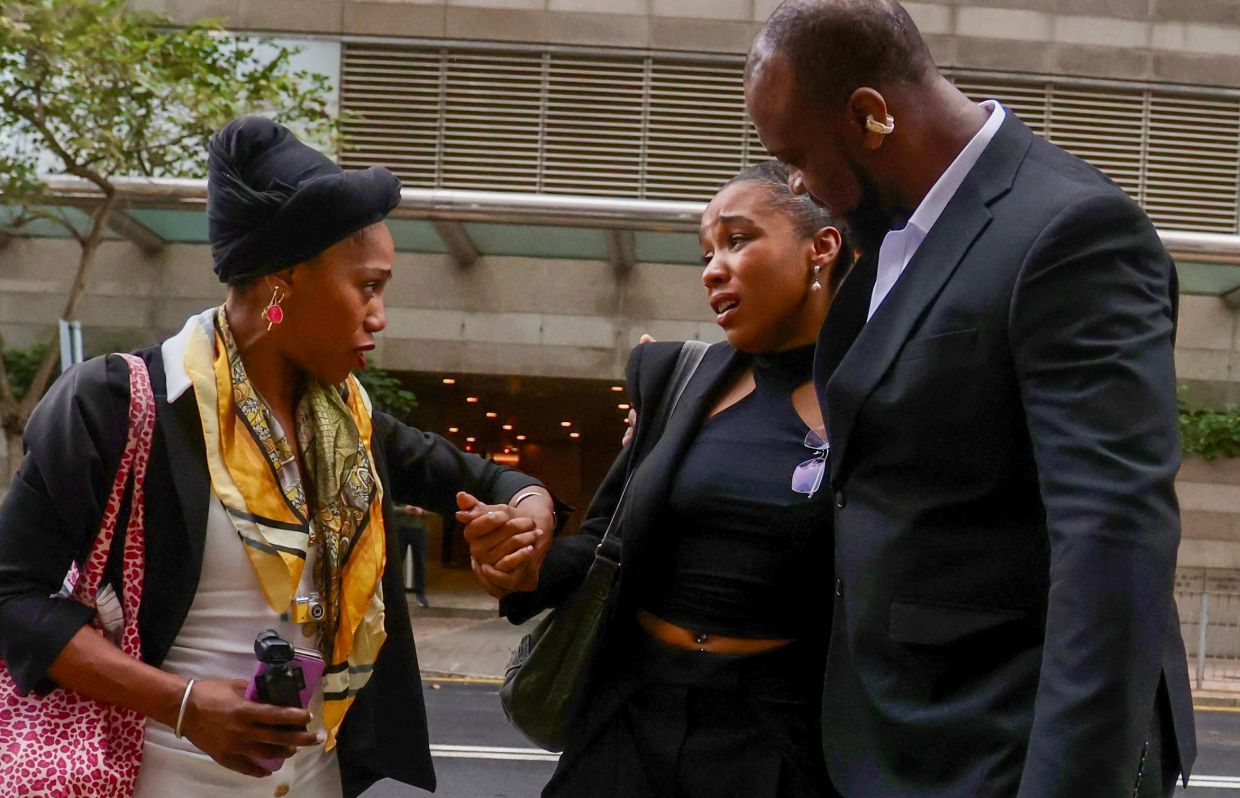
A Hong Kong District Court has handed down a six-year prison sentence to a 26-year-old British woman after finding her guilty of blackmailing a compatriot for £100,000 based on fabricated rape allegations. Isabel Anonia Barbra Eudora Rose, an event management professional from London, was also convicted of perverting the course of public justice in a verdict handed down Wednesday by Judge Adriana Noelle Tse Ching.
The case emerged from events that unfolded over just 48 hours in early February. Rose arrived in Hong Kong on January 31, 2024, to visit a man she had met during a previous trip to Thailand. The pair had made arrangements for her to stay at his one-bedroom apartment in Central, the city's financial district. Rose subsequently reported an alleged sexual assault to police on February 3, claiming the incident had occurred on the night of her arrival.
According to the court's findings, the man's account and contemporaneous communications between the pair painted a significantly different picture from Rose's allegations. The man acknowledged asking Rose to perform oral sex but acknowledged her refusal. In his own description, he said he later apologised for "misreading her signals" and "rushing her." The exchanges that followed the alleged incident formed a crucial part of the judge's assessment. When Rose wrote to him saying "You basically raped me," his response indicated shock and denial: "That is not what I'm into at all and I feel sick."
Judge Tse concluded that these messages directly contradicted the rape allegation and suggested Rose had fabricated the claim entirely. The judge noted that Rose's subsequent communications were fundamentally inconsistent with the behaviour of a genuine assault victim. Additionally, a medical examination revealed bruising on Rose's neck but no genital injuries, and forensic evidence indicated the pair had engaged in intimate acts but had not had penetrative intercourse. This evidence strengthened the court's conclusion that the rape claim was false.
What transformed the case from a disputed sexual encounter into a criminal prosecution were the financial demands that followed. The court heard that within hours of the alleged assault, conversation turned to compensation. Initially, discussions centred on relatively modest sums—Rose requested £2,000 for accommodation and travel expenses, which the man agreed to pay. However, the amount rapidly escalated. Rose subsequently increased her demand to £5,000 and then claimed entitlement to £100,000, using language suggesting she had suffered catastrophic harm: "You've given 10 per cent of what I'm owed, 100 per cent of my soul gone."
The man's responses during these negotiations demonstrated his increasing distress and financial limitations. When he protested that he lacked the means to pay such a sum, stating "I don't have £100k, I have no way of paying you that," Rose's reply indicated she expected immediate and substantial payment: "You have half of it which can be sent. And the other half tomorrow." Although the specific £100,000 demand did not appear in preserved text messages, Judge Tse accepted that Rose had made this demand through disappearing messages or voice communications that she subsequently deleted—communications she therefore destroyed to prevent evidence of her blackmail attempt.
The judge concluded that Rose had deliberately threatened to report the man to police unless he paid the £100,000 by a specific deadline. This threat of criminal prosecution—combined with the fabricated sexual assault allegation—constituted blackmail. In her sentencing remarks, Judge Tse characterised Rose's conduct as exceptionally serious and morally reprehensible. "The defendant took advantage of [the man]'s kindness, naivety, friendship and romantic interest," Tse observed, suggesting that Rose had identified her target as someone vulnerable to manipulation.
The judge also expressed concern that Rose's original false report to police represented an additional layer of criminality. By reporting the alleged rape on February 3, Rose had set in motion a police investigation that resulted in the man's initial arrest and questioning. Tse described this action as "vengeful and wicked behaviour," noting that Rose effectively punished the man for refusing to comply with her financial demands. The judge stated that Rose was "an author of her own wrongdoing" and had abused her romantic relationship with the man to facilitate her extortion scheme.
In determining the sentence, Judge Tse set a starting point of five years imprisonment for the blackmail charge and ordered an additional year from the perverting justice conviction to be served consecutively, resulting in the six-year total. This consecutive sentencing reflects the court's view that Rose had committed two distinct and serious offences rather than isolated mistakes. The judgment carries significant implications for how authorities balance sexual assault complaints against evidence of fabrication and vindictive behaviour.
Rose's response to the guilty verdict in March revealed her continued denial of responsibility. She broke down in tears in the dock after the decision and later told the South China Morning Post that she was bewildered by the outcome. "I reported the rape. But within 24 hours, there was no rape any more," she said, suggesting she believed her initial report should have been sufficient to secure a conviction. She indicated that police officers had advised her they would treat the blackmail case more seriously, implying her understanding shifted once the man's legal position strengthened.
The case highlights the severe consequences of weaponising sexual assault allegations for financial gain. Hong Kong's legal system, like those in Malaysia and most Commonwealth jurisdictions, takes blackmail and extortion seriously, particularly when perpetrated against vulnerable individuals or when combined with false criminal reports. The verdict demonstrates that courts examine the totality of communications and circumstances rather than accepting allegations at face value.
For Malaysian observers, the case offers important context regarding how Commonwealth-influenced legal systems approach contested sexual assault claims where financial demands emerge. The judgment underscores that while sexual assault allegations are treated with appropriate seriousness, fabricated claims designed to extort money constitute independent serious offences that courts will prosecute vigorously. Rose's sentencing reflects judicial determination to distinguish between genuine victims requiring protection and those who cynically exploit reporting mechanisms for personal gain.

