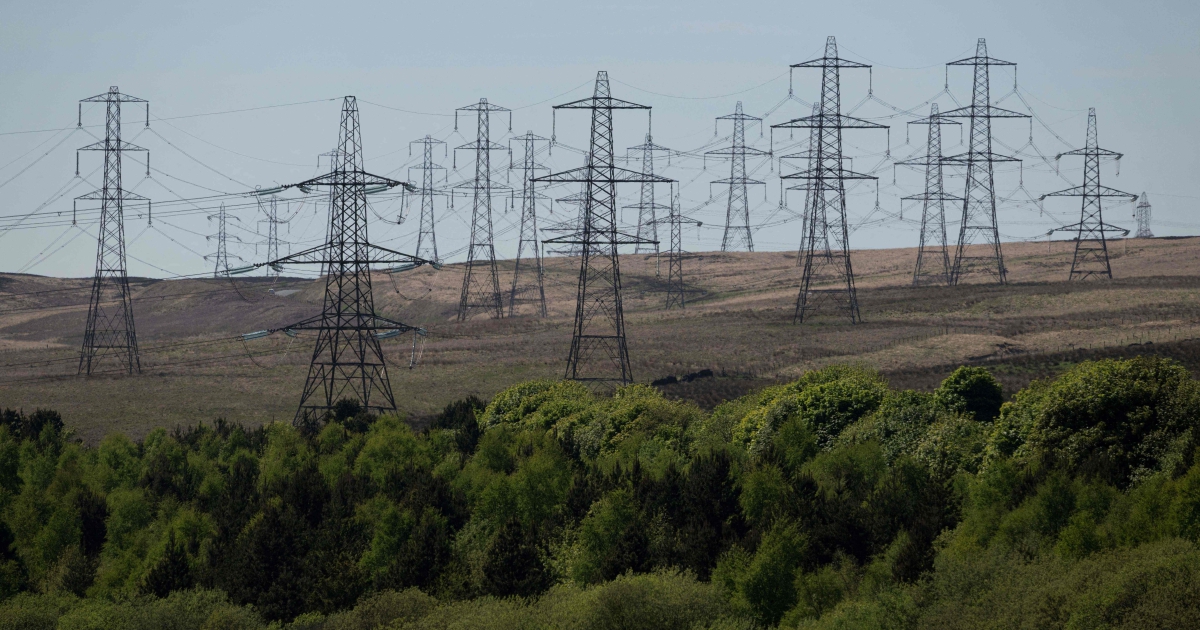
Prime Minister Andy Burnham's newly formed government has signalled its intention to reduce taxation on electricity bills, according to an announcement from Downing Street on Tuesday. The move represents a direct attempt to fulfil electoral commitments aimed at relieving household financial strain, a priority that continues to dominate domestic political discourse across the United Kingdom.
The cost-of-living crisis, which has persisted throughout recent years, has become a defining challenge for British households navigating record energy prices and inflationary pressures. For millions of families, energy bills represent an increasingly substantial portion of disposable income, particularly affecting lower-income groups and elderly residents dependent on fixed incomes. The ability of any government to provide meaningful relief on this front carries significant political and social weight.
Electricity taxation forms part of the broader energy cost structure that has troubled consumers throughout the period of elevated global energy prices and market volatility. By targeting tax reduction in this specific area, Burnham's administration is attempting to offer immediate, tangible relief rather than longer-term structural reforms. The timing of this announcement suggests the government wishes to demonstrate early delivery on campaign commitments and build momentum for its broader policy agenda.
The decision reflects a particular approach to economic management that prioritises direct household support measures over alternative interventions such as investment in renewable energy infrastructure or price caps on energy suppliers. While such tax reductions can provide immediate relief, analysts will likely debate their efficacy as a sustained solution to systemic energy affordability challenges, particularly given the structural factors influencing global energy markets.
For Malaysian and Southeast Asian observers, the British approach offers instructive lessons regarding energy policy and government responses to cost-of-living pressures. Many nations across the region face similar energy affordability challenges, whether through reliance on fossil fuel imports or structural economic constraints that limit household purchasing power. The contrast between direct subsidies, tax reductions, and infrastructure investment represents an ongoing policy debate across developing and developed economies.
Britain's electricity market operates quite differently from those in Malaysia and Southeast Asia, characterised by privatised generation and distribution networks operating within a heavily regulated framework. Nevertheless, the political imperative to address energy costs appears universal. In Malaysia, subsidies have historically played a larger role in managing household energy expenditure, though recent years have seen gradual shifts toward market-based pricing mechanisms and targeted assistance schemes.
The Burnham government's decision also signals confidence in its fiscal position and revenue projections, suggesting policymakers believe they can absorb the revenue loss from reduced electricity taxation without implementing cuts elsewhere in public spending. This contrasts sharply with the constrained fiscal environments many Southeast Asian governments navigate, where trade-offs between competing priorities remain acute and politically contentious.
Electricity taxation in Britain historically served both revenue-raising and environmental policy objectives, with certain levies designed to encourage energy efficiency and support renewable energy transition. Reducing these taxes may therefore present a trade-off between immediate consumer relief and longer-term climate and sustainability objectives. The government will need to articulate how it intends to maintain progress toward net-zero commitments whilst simultaneously reducing energy-related taxation.
The broader policy context matters considerably here. Any tax reduction on electricity operates alongside other government interventions addressing energy affordability, including direct subsidies to vulnerable households, grants for home insulation improvements, and broader macroeconomic management aimed at controlling inflation. Understanding the electricity tax cut as a component of integrated strategy rather than a standalone measure becomes essential for evaluating its ultimate effectiveness.
From a regional perspective, Britain's willingness to implement immediate consumer support measures reflects a degree of fiscal and political capacity that remains constrained in many Southeast Asian contexts. Government borrowing capacity, revenue bases, and the ability to sustain programmes long-term represent critical distinctions. Nevertheless, the political salience of energy affordability transcends development levels, making the British experience relevant to policymakers across the region grappling with similar constituency pressures.
The announcement from Downing Street underscores how prominent energy costs have become in contemporary politics across developed democracies. Whether through taxation policy, subsidies, or infrastructure investment, governments worldwide recognise that failure to address household energy affordability carries substantial electoral consequences. The trajectory of this policy and its measurable impact on household finances will likely receive intense scrutiny as Burnham's administration establishes its track record on delivering promised relief.

