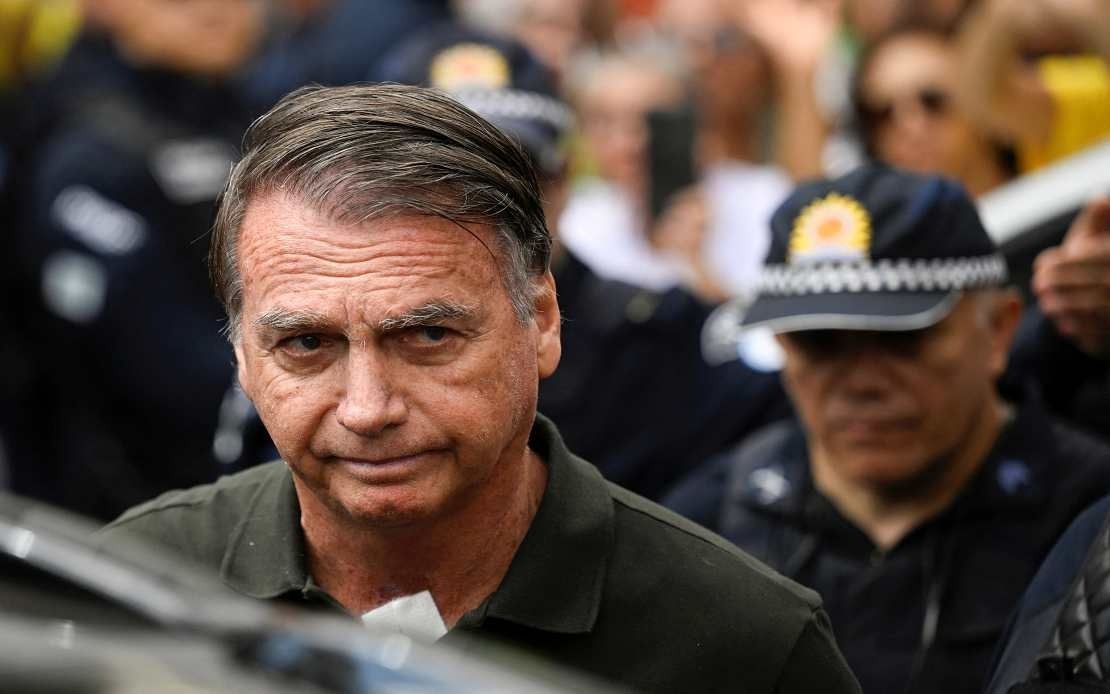
A Brazilian court has prevented Argentine President Javier Milei from visiting former Brazilian President Jair Bolsonaro, barring what would have been a high-profile meeting between two of South America's most influential right-wing leaders. Judge Alexandre de Moraes rejected the request for the planned July 25 encounter at Bolsonaro's Brasília residence, citing newly imposed restrictions on the ex-president's house arrest conditions that explicitly prohibit visits of a political or electoral nature.
Milei had announced plans to travel to Brazil specifically to meet with Bolsonaro and publicly support the presidential ambitions of Bolsonaro's son, Flávio Bolsonaro, in advance of October's general election. The Argentine leader's intended visit represented a significant gesture of solidarity between two prominent conservative figures, each commanding substantial followings in their respective nations. However, the Brazilian judicial system intervened to prevent the encounter, underscoring the contentious political environment surrounding the upcoming Brazilian election.
Judge Moraes had substantially tightened Bolsonaro's house arrest conditions just one day before rejecting Milei's visit request. The new restrictions explicitly prohibit the former president from receiving politically or electorally motivated visitors and bar him from disseminating political messages through intermediaries. These enhanced restrictions were prompted by judicial concerns that Bolsonaro had violated his existing house arrest terms, triggering a swift and decisive response from the court.
The immediate catalyst for the stricter conditions was a handwritten letter authored by Bolsonaro that his son Flávio subsequently published across social media platforms. In the message, the former president explicitly endorsed his son's presidential candidacy, an action the court determined constituted a clear breach of the conditions governing his house arrest. The judicial response demonstrates the court's determination to maintain tight control over Bolsonaro's public and private communications during a sensitive election period.
Bolsonaro's current legal predicament stems from his conviction on charges related to an attempted coup, for which he received a sentence exceeding 27 years in prison. Rather than serving his sentence in conventional incarceration, Bolsonaro has been permitted to remain under house arrest citing health considerations. This arrangement has proven controversial, with critics arguing it provides the former leader with excessive freedom to influence Brazilian politics during a crucial election cycle. The court's latest actions suggest judicial authorities are moving to restrict this flexibility.
The Brazilian presidential election in October will pit incumbent President Luiz Inácio Lula da Silva against Flávio Bolsonaro, setting the stage for a consequential political contest between the left and right. Lula is expected to seek re-election, defending his progressive agenda against Bolsonaro's conservative challenger. The dynamics of this race have regional implications, particularly for Southeast Asian observers monitoring how Latin American democracies navigate judicial constraints on political figures.
For Malaysian and regional readers, this episode illuminates broader tensions between judicial authority and political activity in democratic systems. The Brazilian court's willingness to restrict even informal diplomatic visits by foreign leaders demonstrates how domestic legal proceedings can intersect with international relations. The situation reflects the complex balancing act democracies must perform between protecting legal processes and permitting political activity essential to electoral competition.
The judge's dismissal of the defence's appeal as "moot" signals the court's confidence in its legal authority to enforce such restrictions. This characterization effectively closed off immediate legal recourse for Bolsonaro's legal team, preventing further challenge to the visiting ban before Milei's intended trip. Such decisive judicial action raises questions about the extent to which house arrest restrictions can be imposed without infringing on fundamental political participation rights.
The incident also reveals the intricate relationship between Bolsonaro and his son Flávio, with the father's public endorsement of his son's presidential campaign suggesting dynastic political succession is a significant factor in Brazilian right-wing politics. Flávio Bolsonaro's emergence as a leading opposition candidate represents a potential pathway for the Bolsonaro family to maintain political influence despite the former president's legal constraints. The court's efforts to prevent Bolsonaro from further supporting this candidacy reflect awareness of his continued capacity to shape electoral outcomes from house arrest.
Argentina's relationship with Brazil carries weight in South American geopolitics, and Milei's blocked visit represents a symbolic setback for right-wing international solidarity. Both nations have experienced significant political shifts in recent years, with Milei's election in Argentina marking a decisive rightward turn comparable to earlier Bolsonaro years in Brazil. The contrast between Argentina's current trajectory and Brazil's reversion to leftist leadership under Lula creates interesting dynamics for conservative leaders seeking to coordinate across borders.
The broader context involves questions about judicial independence and whether Moraes' actions represent appropriate application of legitimate legal authority or overreach that constrains political freedom. The Brazilian Supreme Court has faced accusations from conservative critics of excessive intervention in political matters, though supporters argue such interventions protect democratic institutions from authoritarian threats. These competing interpretations will likely intensify as the election approaches and new restrictions potentially emerge.

