Boustead Holdings Bhd is undertaking a comprehensive strategic overhaul aimed at transforming itself from a traditional conglomerate into a powerhouse driving Malaysia's defence manufacturing capability. The company has set its sights on expanding group revenue to RM30 billion within five years, nearly tripling its current RM12 billion turnover through a restructured business model centred on three pillars: defence technology, property development and commercial services. This ambitious trajectory marks a significant pivot for a company with deep historical roots in agriculture and traditional commerce.
The conglomerate's metamorphosis reflects a broader government mandate aligned with Malaysia's recently launched National Defence Industry Policy, which was unveiled in January of this year. According to Boustead group managing director Datuk Dr Ahmad Sabirin Arshad, the company has been deliberately positioned by shareholders and the Defence Ministry to spearhead national initiatives in building domestic defence capabilities. This repositioning comes amid growing regional security dynamics and Malaysia's commitment to strengthening self-reliance in critical defence areas where the country currently depends on imports.
Central to Boustead's expansion strategy is the ambitious goal of achieving at least 30 per cent local content in defence industry technology products by 2030. This target reflects Malaysia's broader push for technological sovereignty and industrial self-sufficiency in the defence sector. The company plans to cultivate an ecosystem of roughly 400 vendors across the defence industry value chain, effectively nurturing a new industrial sector from the ground up. Such vendor development programmes are crucial for building supply chain resilience and creating wealth-generating opportunities throughout the Malaysian economy, particularly for small and medium enterprises willing to participate in defence manufacturing.
Boustead has been entrusted with leading four significant national defence projects that underscore the government's confidence in the company's capacity. These initiatives encompass satellite development, rolling chassis manufacture for armoured vehicles, light weapons production and the creation of an advanced Combat Management System. Each project represents a strategic capability gap that Malaysia seeks to address domestically rather than relying entirely on foreign suppliers. The satellite project, in particular, holds implications for Malaysia's telecommunications and Earth observation capabilities, while the armoured vehicle chassis programme could anchor a broader defence equipment manufacturing cluster.
Beyond defence manufacturing, Boustead is stewarding the Batu Cantonment strategic development project in partnership with the Armed Forces Fund Board. This landmark urban regeneration initiative involves consolidating and relocating nine existing military installations before transforming the vacated Kuala Lumpur land into a modern commercial hub. The project demonstrates how defence-focused companies are being mobilised for broader national infrastructure objectives, blending military reorganisation with economic development. Such mixed-use development transforms underutilised military real estate into revenue-generating commercial spaces while improving operational efficiency for armed forces deployments.
The company's growth blueprint extends beyond the defence sector into complementary business domains. Boustead intends to strengthen existing subsidiaries operating in tourism and insurance, leveraging these established platforms to diversify revenue streams and manage overall portfolio risk. The tourism and insurance operations provide stable cash flows that can help finance the more capital-intensive defence manufacturing investments. This balanced approach ensures the company maintains financial stability even as it navigates the uncertainties inherent in emerging defence technology ventures.
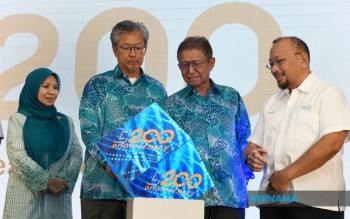
Chairman General (Retired) Tan Sri Abdul Aziz Zainal emphasised during the company's bicentennial soft launch celebrations that the transformation programme is fundamentally designed to deliver optimal returns to stakeholders, particularly the contributors and members of Malaysia's Armed Forces. This framing is significant because it positions Boustead not merely as a profit-maximising enterprise but as a fiduciary vehicle serving the interests of military personnel and the broader defence establishment. The emphasis on accountability and governance reflects the heightened expectations placed upon companies managing critical national security interests and custodian funds.
International partnerships will be instrumental in achieving Boustead's technological ambitions. The company plans to forge strategic alliances with credible foreign defence contractors to facilitate technology transfer arrangements that enhance Malaysian capabilities while building local expertise. This approach balances the imperative for rapid capability development with the goal of building sustainable indigenous capacity. Careful partner selection becomes crucial to ensure that technology transfers genuinely benefit Malaysia rather than merely creating dependent relationships with foreign suppliers. The 30 per cent local content target by 2030 provides a measurable benchmark for assessing the success of these technology transfer initiatives.
Boustead's transformation carries implications extending well beyond the company itself. The success or failure of this venture will shape Malaysia's trajectory in becoming a credible defence manufacturing nation. Regional security dynamics in Southeast Asia continue to intensify, with neighbouring countries investing heavily in military modernisation. Malaysia's ability to develop indigenous defence industrial capacity directly influences its strategic autonomy and negotiating position within regional forums like ASEAN. The country's historical dependence on imports for critical defence systems has created vulnerabilities that domestic manufacturing initiatives aim to address.
The timing of Boustead's expansion coincides with Malaysia's broader economic diversification efforts and the government's industrial policy evolution. The defence sector offers potential for high-value manufacturing employment and technology spillovers into civilian industries. Countries like South Korea and Israel have leveraged defence manufacturing as a platform for developing advanced manufacturing capabilities that subsequently found applications in commercial sectors. Malaysia's defence industry policy represents a recognition that security considerations and economic development are increasingly intertwined in the contemporary global economy.
Looking toward Boustead's bicentennial celebration in 2028, the company faces the challenge of balancing historical operational practices with transformative change. The organisation has successfully navigated two centuries of economic shifts, from its origins in agricultural commerce to contemporary conglomerate status. This latest transformation into a defence technology champion represents perhaps the most significant strategic reorientation in its modern history. The success of Boustead's ambitious RM30 billion revenue target will demonstrate whether Malaysia's institutional frameworks can effectively mobilise state-linked companies to achieve strategic national objectives in competitive global markets.

