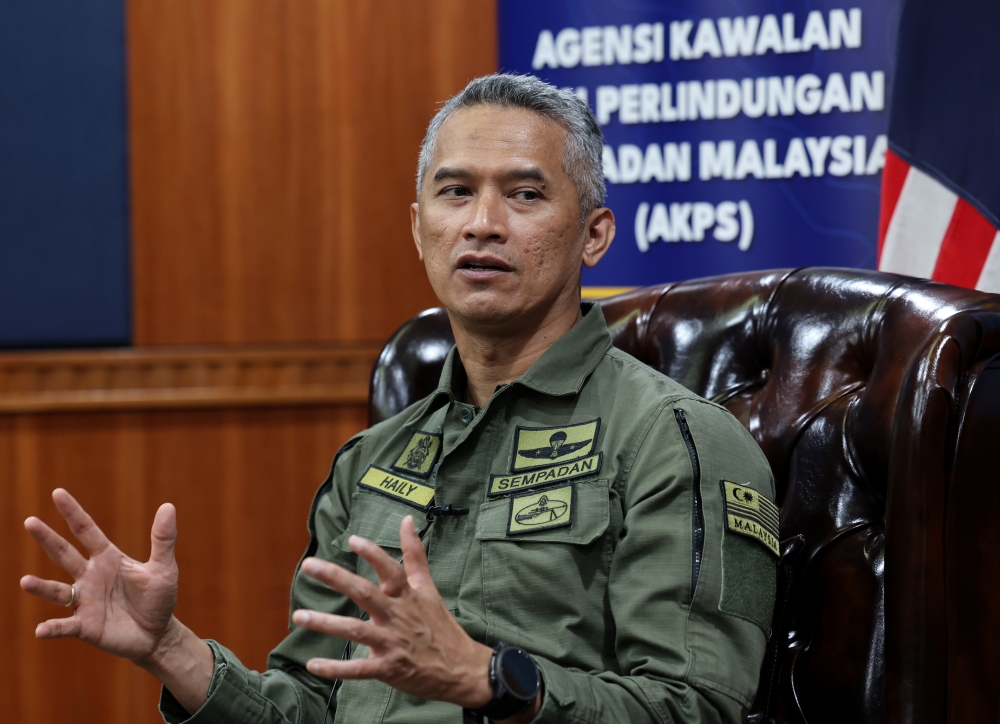
The head of Malaysia's border control agency has stated that baggage belonging to a Malaysia Airlines pilot who was subsequently detained with narcotics at an Indonesian airport passed through Kuala Lumpur International Airport without generating any warnings, prompting questions about screening protocols and inter-agency coordination between Southeast Asian nations on drug enforcement.
The pilot's arrest in Jakarta has become a focal point for examining vulnerabilities in regional aviation security, particularly regarding the movement of contraband through major transport hubs. Malaysian authorities have initiated a comprehensive review of how the suspect's luggage was processed at KLIA, the country's main international gateway, before the individual proceeded to Indonesia where the drug seizure occurred. The incident underscores ongoing challenges in detecting illicit substances moving through high-volume airport terminals where millions of passengers transit annually.
The examination of screening procedures at KLIA reflects broader concerns about coordination between Malaysia's customs, immigration, and border agencies, as well as potential information-sharing gaps with Indonesian authorities. Malaysia has significantly upgraded its border security infrastructure over recent years, installing advanced scanning equipment and implementing stricter protocols for baggage examination, yet this case suggests that screening systems may still have operational blind spots. The lack of detection at KLIA raises questions about whether screening personnel followed standardised procedures or whether the substances were concealed in a manner that evaded conventional detection methods.
Indonesian authorities' discovery of the narcotics during screening at Soekarno-Hatta International Airport in Jakarta contrasts sharply with the absence of alerts at KLIA, indicating a potential lapse in Malaysia's pre-departure procedures. The sequence of events highlights how individual travellers connected to high-profile professions such as aviation can sometimes encounter inconsistent levels of scrutiny across different border checkpoints. International best practices in aviation security typically involve enhanced screening for personnel with access to aircraft and restricted airport areas, yet the case suggests such enhanced protocols may not have been uniformly applied.
The incident carries implications for Malaysia's reputation as a regional hub for air transport and logistics. Kuala Lumpur has positioned itself as Southeast Asia's leading aviation centre, with KLIA serving as a critical link in global supply chains and passenger networks. Drug trafficking through international airports poses reputational risks to Malaysia's aviation sector and could influence how international partners assess the country's commitment to supply chain security and counter-narcotics operations. The pilot's position as a commercial airline employee rather than a street-level trafficker suggests involvement in potentially more organised smuggling networks that exploit insider knowledge of airport operations.
Malaysian authorities have indicated they are cooperating with Indonesian counterparts regarding the investigation. However, the differing outcomes of baggage screening at the two airports point to potential inconsistencies in how neighbouring nations apply border security standards. While each country operates independent screening systems reflecting different risk assessments and resource allocations, intelligence sharing between Malaysia and Indonesia on suspect individuals and trafficking patterns remains essential for improving detection rates. The case may prompt both nations to review whether existing information-sharing mechanisms are functioning effectively.
The broader context of drug trafficking through Southeast Asian airports suggests that this incident, while high-profile due to the suspect's employment status, reflects a larger systemic challenge. Narcotics destined for Australian and New Zealand markets frequently transit through Malaysian airports, making KLIA a priority target for international trafficking syndicates. The sophistication of modern smuggling methods, including advanced concealment techniques and the involvement of people with legitimate airport access, means that purely mechanical screening approaches may prove insufficient without complementary intelligence-led operations and personnel vetting procedures.
For Malaysian authorities, the incident presents an opportunity to reassess hiring and background check procedures for aviation personnel, particularly those with access to secure areas and cargo facilities. International best practices increasingly emphasise continuous monitoring of employees rather than relying solely on initial vetting, given that personal circumstances and financial pressures can change over time. The case demonstrates that even individuals employed by major international corporations can become vulnerable to recruitment by smuggling organisations.
The pilot's arrest also raises questions about how Malaysian law enforcement agencies, including the Royal Malaysia Police and Customs Department, coordinate on cases involving Malaysian citizens apprehended abroad. Diplomatic channels between Malaysia and Indonesia have traditionally handled such matters professionally, though the public disclosure of screening gaps at KLIA suggests Malaysian authorities may be using this case to justify investment in enhanced detection capabilities and procedural reforms.
Looking forward, the incident is likely to trigger internal reviews at KLIA and possibly across Malaysia's entire border control network. Enhanced passenger profiling systems, improved training for screening staff, and potentially increased deployment of advanced detection technology at departure gates may result. Additionally, Malaysian authorities may reassess cooperation frameworks with regional airports and international aviation authorities to establish more consistent standards for personnel and baggage screening across Southeast Asia.

