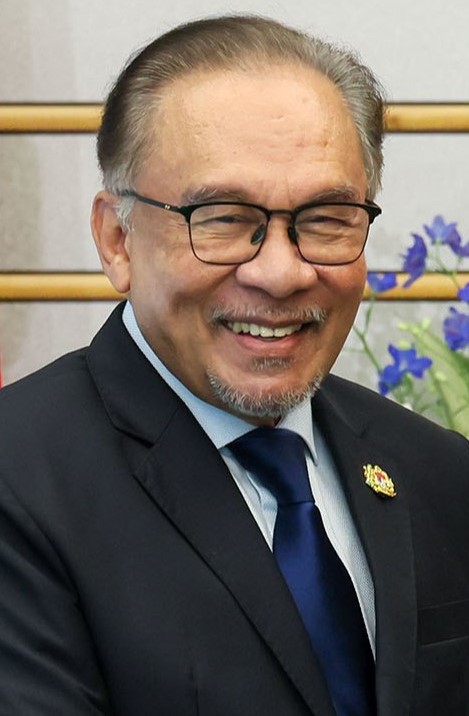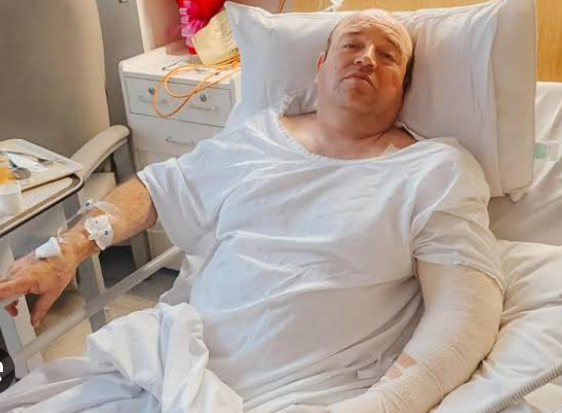
Ahmed al Ahmed, the fruit seller who became an international symbol of bravery after disarming an attacker during Sydney's deadliest mass shooting, has entered a not guilty plea to domestic assault charges involving his father. The 44-year-old appeared in Bankstown District Court on Wednesday to answer allegations of common assault and domestic stalking or intimidation, according to court documents obtained by international media. His legal team maintains his presumption of innocence as proceedings continue, with the next hearing scheduled for mid-August.
Ahmed's heroic intervention at Bondi Beach on December 14 last year captured global attention and transformed him into an unlikely symbol of civilian courage during mass violence. Video footage that went viral showed him darting between parked vehicles as gunfire erupted at a Jewish cultural festival on the iconic Sydney beach. Despite the chaos and danger, he managed to physically engage one of the two gunmen and successfully wrestle away the attacker's weapon, potentially preventing further casualties during the rampage that claimed 15 lives.
The intervention came despite Ahmed sustaining gunshot wounds himself during the confrontation. His actions earned him widespread recognition beyond Australia, leading to a meeting with Prime Minister Anthony Albanese and positioning him as an exemplary figure of community responsiveness in times of crisis. The public adulation extended to financial support as well, with a crowdfunding campaign established in his name accumulating over A$1 million from donors worldwide.
However, the domestic allegations now facing Ahmed reveal a starkly different narrative from the celebrated narrative of heroism. Court documents indicate he is accused of assaulting his father and engaging in stalking or intimidating behaviour toward a family member. The shift from public hero to defendant in a domestic dispute highlights how trauma and sudden notoriety can strain family relationships, particularly within communities already dealing with the psychological aftermath of mass violence.
His legal representative, Mohamad Sakr, addressed journalists outside the courthouse, acknowledging the profound difficulty of the situation. Sakr emphasised that the charges relate to a deeply personal family matter that Ahmed likely never anticipated facing, particularly given the extraordinary circumstances that thrust him into the public eye. The lawyer stressed the importance of maintaining the presumption of innocence throughout the legal process, noting that Ahmed's character and integrity should be preserved pending the outcome of the case.
The complications surrounding Ahmed extend beyond his own legal battles. Court proceedings in recent weeks have involved his two brothers, who separately faced allegations of attempting to coerce Ahmed into surrendering portions of the funds raised through the crowdfunding initiative. These developments suggest significant tensions within the family unit, possibly exacerbated by disagreements over the substantial financial resources that accumulated following his heroic action. The involvement of multiple family members in legal proceedings paints a picture of considerable dysfunction despite the family's prior connection to a moment of genuine social solidarity.
For Malaysian and Southeast Asian observers, Ahmed's situation underscores several complex realities often obscured by heroic narratives. The psychological toll of surviving mass violence, combined with sudden financial windfalls and public celebrity status, can destabilise even well-intentioned individuals and their family structures. The transition from anonymous fruit seller to internationally recognised hero creates unique pressures that conventional support systems may struggle to address adequately. Without proper psychological counselling and family mediation, survivors of mass violence may find themselves navigating complicated personal relationships under unprecedented stress.
The case also illuminates the darker side of sudden wealth accumulation. The crowdfunding campaign, while motivated by genuine admiration, resulted in financial sums that Ahmed and his family apparently lacked experience managing. Family members' alleged attempts to pressure him into distributing the funds suggest unresolved expectations and conflicts over resource allocation—dynamics that frequently emerge when unexpected money arrives without accompanying financial guidance or family counselling.
From a legal perspective, the progression of events raises questions about duty of care toward survivors of mass trauma. Australian authorities and community organisations may need to consider more comprehensive support frameworks that address not only physical injuries and immediate psychological needs, but also longer-term family dynamics and financial management. Such frameworks could potentially prevent the kind of domestic conflict now playing out in Australian courts.
The case remains ongoing, with considerable time until the August hearing and potentially beyond. Ahmed's legal team continues to maintain his innocence while defending his reputation against the domestic allegations. Meanwhile, the broader question persists regarding how societies should support ordinary citizens thrust into extraordinary circumstances—individuals whose instinctive bravery under extreme pressure does not necessarily equip them for the subsequent complexities of notoriety, financial responsibility, and family relationships altered irreversibly by sudden fame.