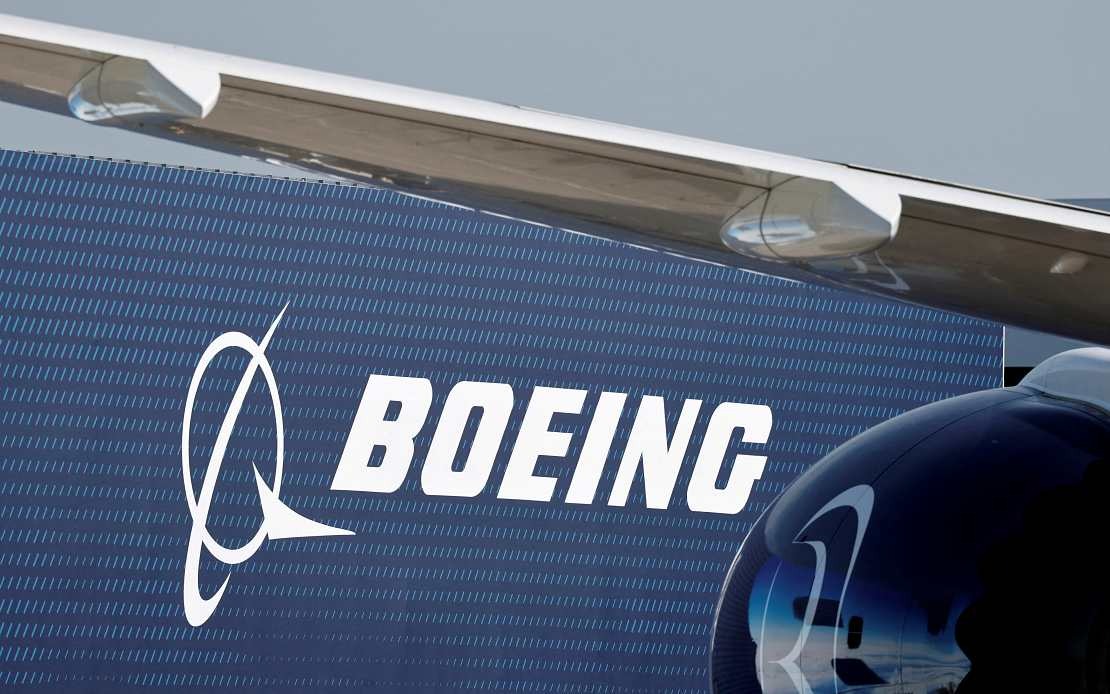
Boeing has achieved a significant regulatory milestone with the Federal Aviation Administration's approval of its 737-7 aircraft for commercial operations, marking a crucial step forward for the American aerospace manufacturer after years of intense scrutiny and redesign efforts. The certification, announced on Monday, formally clears the smallest variant of the 737 MAX family for passenger service, potentially opening new market opportunities for airlines seeking fuel-efficient aircraft for regional and transcontinental routes.
The 737-7 represents Boeing's response to evolving airline requirements for aircraft that can efficiently serve routes demanding extended range capabilities while maintaining lower operating costs. Configured to accommodate between 135 and 160 passengers, the model can travel up to 7,040 kilometres, positioning it as a viable option for carriers operating longer-haul regional services across Asia-Pacific and other markets. This capacity and range combination addresses a distinct segment of the commercial aviation market where existing aircraft have proven either too large or insufficiently economical.
Boeing's original timeline projected the 737-7 entering service as early as 2019, but the company faced an extended development cycle complicated by multiple factors extending beyond typical certification requirements. The manufacturer confronted intensified regulatory oversight from the FAA following two catastrophic 737 MAX crashes that fundamentally altered how aviation authorities approached the aircraft family's safety validation processes. These incidents fundamentally reshaped the certification landscape, necessitating comprehensive re-evaluation of design assumptions and safety protocols across the entire MAX platform.
Stephanie Pope, president and chief executive of Boeing Commercial Airplanes, characterised the certification as confirmation of the company's engineering rigour and commitment to safety. She acknowledged that the development process had encompassed unprecedented challenges, including managing extended pandemic-related disruptions and adapting to substantially revised certification methodologies implemented by the FAA. Pope emphasised her team's perseverance in completing all technical requirements while prioritising the delivery of an aircraft that satisfied heightened safety standards and offered enhanced operational capabilities to customers.
The FAA's certification decision, reached after what the agency characterised as years of continuous effort addressing complex technical complexities, reflects the profound transformation in how regulators now evaluate 737 MAX variants. The approval process required exhaustive scrutiny of the aircraft's fundamental design characteristics and supporting analytical frameworks demonstrating safety compliance. This extended evaluation period underscores how thoroughly aviation authorities now examine MAX family members, contrasting sharply with earlier certification practices that preceded the crashes.
From an environmental perspective, the 737-7 incorporates substantial efficiency improvements that align with broader aviation industry sustainability objectives increasingly prioritised by airlines and environmental stakeholders. The aircraft consumes 20 per cent less fuel and generates 20 per cent lower carbon dioxide emissions compared to the aircraft models it typically supersedes, representing meaningful progress toward decarbonising regional aviation operations. Additionally, noise reduction improvements of 50 per cent relative to replaced aircraft address community concerns around airports serving major population centres across Asia-Pacific and globally.
For Malaysian and Southeast Asian carriers, the 737-7 certification carries particular relevance given the region's expansion of long-range regional connectivity and the aviation sector's trajectory toward more efficient operations. Airlines across the region have consistently sought modern aircraft combining passenger capacity, range, and economic efficiency, particularly for routes connecting major hubs across Southeast Asia, South Asia, and extending toward Australia and New Zealand. The aircraft's specifications align with these operational requirements, potentially attracting interest from carriers evaluating fleet renewal programmes.
The certification also signals broader recovery and confidence within Boeing's commercial aviation division following the reputational damage and financial consequences stemming from the 737 MAX crisis. Regulators' formal approval of another MAX variant indicates that scrutiny, whilst remaining appropriately vigilant, no longer presents an absolute barrier to new model certification. This progressive unlocking of the MAX family's commercial potential supports Boeing's effort to restore market position and generate revenue streams necessary for addressing accumulated financial pressures.
Looking forward, the 737-7 certification creates prerequisites for accelerated deliveries and customer aircraft entries into service. Airlines maintaining outstanding orders for this variant can now progress from contracted commitments toward actual fleet integration and operational deployment. Regional carriers operating route networks aligned with the aircraft's characteristics can begin scheduling introduction timelines, potentially commencing service within coming months as production and delivery processes advance.
The approval represents a watershed moment for aviation regulation broadly, demonstrating that manufacturers can navigate intensified safety requirements and achieve certification for new aircraft despite substantially elevated validation standards. Boeing's success with the 737-7 potentially establishes precedent for other aircraft programmes operating within comparably rigorous regulatory environments. For competitors and other manufacturers, the certification pathway illustrates the extended timelines and resource requirements now inherent in bringing new commercial aircraft to market.
The 737-7's formal clearance additionally reflects evolving consensus between Boeing and the FAA regarding design adequacy for the broader MAX platform. This convergence of perspectives, achieved through exhaustive technical dialogue and analysis, suggests that future MAX variants and derivative developments may experience somewhat streamlined certification processes, building upon the validated design foundations now firmly established through this certification achievement.

