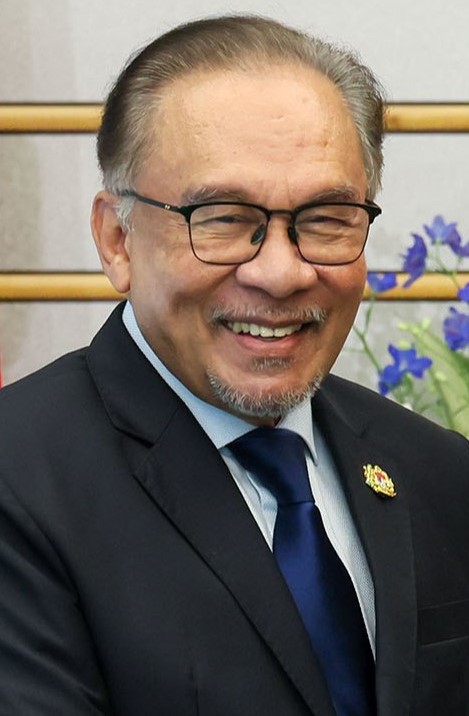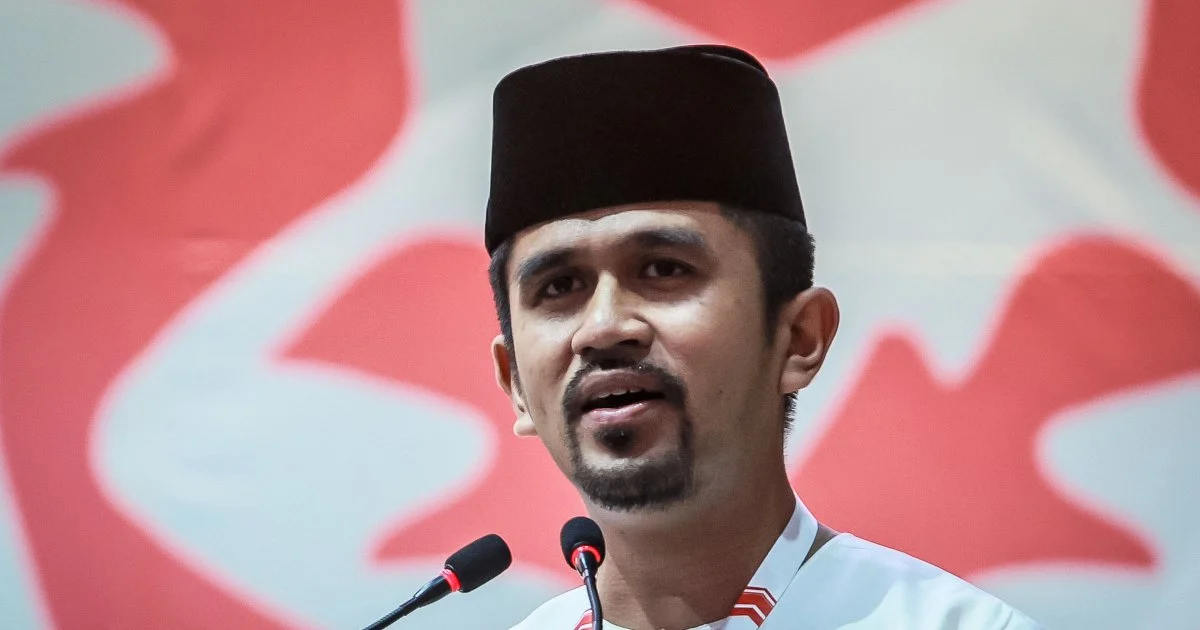
Umno Youth secretary-general Hafiz Ariffin has publicly challenged Pakatan Harapan's candidate selection strategy for Johor's upcoming state election on July 11, specifically questioning the decision to exclude a number of high-ranking PH figures from the state.
The Barisan Nasional Youth leader's comments spotlight an internal controversy within the opposition coalition as it prepares for what many analysts consider a critical electoral test in a state long regarded as a traditional BN stronghold. The absence of prominent PH personalities from the official candidate list has raised eyebrows among political observers, who view such exclusions as potentially damaging signals about confidence levels or internal power dynamics within the coalition.
Johor holds strategic importance in Malaysia's political landscape. The state has historically been a reliable BN bastion, with significant economic output and substantial parliamentary representation. Any shift in voting patterns there could reverberate across the federation, making the composition of the opposition's campaign team particularly consequential. The decision to sideline established PH leaders therefore warrants scrutiny regarding what it suggests about the coalition's overall positioning for this contest.
Hafiz Ariffin's intervention follows a pattern common in Malaysian politics, where opposition and ruling coalition figures routinely dissect each other's organisational choices as a means of projecting confidence and highlighting perceived weaknesses. By drawing attention to the PH lineup, the BN Youth leader effectively frames the narrative as one of the opposition coalition being either disorganised or uncertain about its own personnel—implications that could undermine PH's credibility among voters.
The July 11 election carries considerable weight for both coalitions. For Barisan Nasional, maintaining Johor's allegiance would reinforce its recovery narrative following recent electoral setbacks at the national level. For Pakatan Harapan, the state represents a genuine opportunity to expand beyond its traditional strongholds in Selangor, Penang, and parts of Kuala Lumpur. The composition of the candidate slate therefore reflects not merely administrative convenience but strategic priorities and resource allocation.
The exclusion of senior figures from PH's lineup could stem from several practical considerations. Internal coalition negotiations between PKR, DAP, Amanah, and other PH components might have resulted in seat allocations that left some established names without viable contests. Additionally, some experienced politicians might have voluntarily stepped back to allow new blood and address public appetite for fresh faces. Yet without transparent explanation from PH leadership, such absences invite speculation and criticism from rivals.
This dynamic also illuminates the structural challenges facing opposition coalitions in Malaysia. Unlike the ruling Barisan Nasional, which operates under a more consolidated decision-making framework, Pakatan Harapan comprises multiple parties with distinct constituencies and internal hierarchies. Reconciling competing demands from these components while maintaining public confidence in the coalition's unity remains an ongoing tension. When prominent figures disappear from candidate lists, it raises questions about whether such absences reflect genuine disagreement or merely procedural necessity.
For Malaysian voters in Johor, the significance extends beyond symbolic politics. Candidate quality and incumbency effects substantially influence electoral outcomes, particularly in state contests where local issues dominate. When established, recognisable personalities are absent from either coalition's slate, voters lose experienced representatives—or, depending on perspective, gain opportunities to elect fresh talent with different perspectives on local challenges.
The timing of Hafiz Ariffin's critique is noteworthy. His intervention comes as both coalitions are finalising campaign strategies and the election campaign period approaches. Such criticism, whether substantive or partly tactical, influences media narratives during the crucial weeks leading up to voting day. Whether PH addresses the questions directly or allows them to linger could affect public perception of the coalition's transparency and internal coherence.
From a regional perspective, the Johor state election carries implications beyond Malaysia's borders. The state's economic connections to Singapore and its role in ASEAN supply chains mean that prolonged political uncertainty could have minor but measurable effects on investor confidence. A decisive result favouring either coalition would provide clarity; a contested or unexpected outcome might amplify regional scrutiny of Malaysian political stability.
Looking ahead, how PH responds to BN's questioning about its candidate lineup will likely shape the opening phases of the election campaign. A confident, detailed explanation of selection rationale could neutralise the criticism. Conversely, silence or defensive reactions might allow the narrative to take root among undecided voters. In the end, the July 11 election will be decided primarily on local governance, economic performance, and community priorities—but the candidate selection process itself has become an early proxy battle in this significant contest.