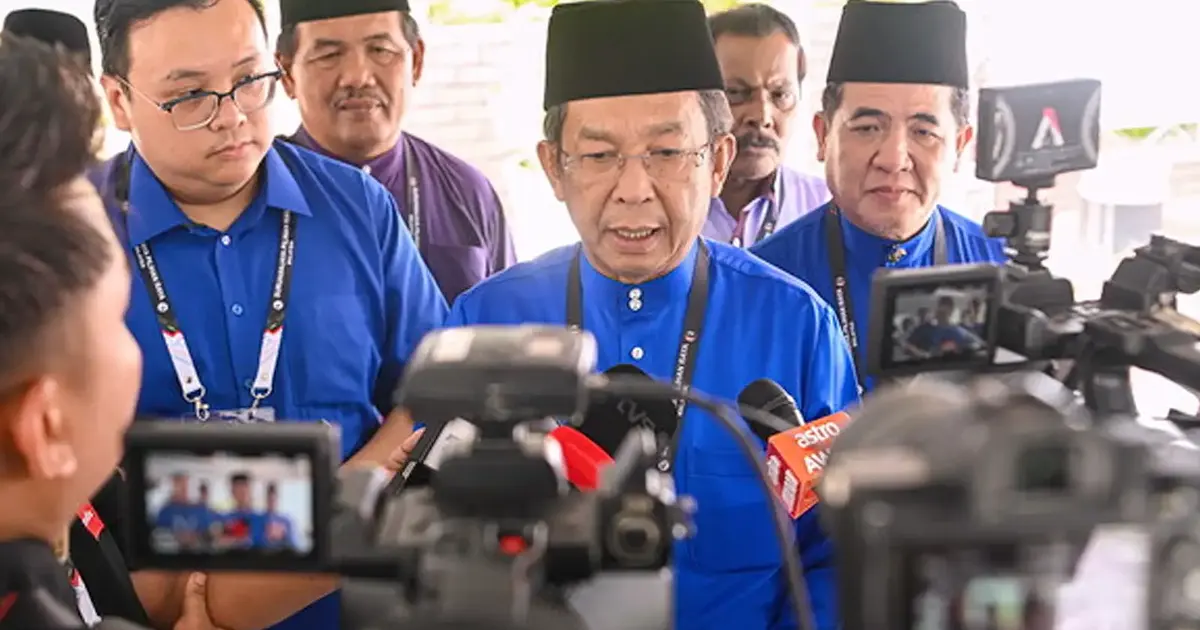
Barisan Nasional has signalled it will hold off announcing its chief minister candidate for Negeri Sembilan until the coalition crosses the finish line in the forthcoming state election, underscoring a deliberate strategy to first secure the mandate from voters before settling its top leadership position.
State Umno chief Jalaluddin Alias explained the reasoning behind this measured approach during recent remarks on the coalition's pre-election positioning. The delay reflects confidence in BN's electoral prospects while acknowledging the need to present a unified front and avoid factional disputes that could damage campaign momentum. By deferring the announcement, the coalition avoids prolonged speculation and potential internal jostling that might undermine its messaging to voters in the state.
The decision carries particular significance in Negeri Sembilan, a state where political fortunes have shifted considerably in recent election cycles. The state has emerged as a competitive battleground where demographic shifts, urban-rural divides, and local grievances often determine electoral outcomes. BN's choice to wait for election confirmation signals that party leadership is taking nothing for granted and understands the necessity of securing legislative numbers before declaring the occupant of the chief minister's office.
Jalaluddin's remarks that several qualified leaders exist within BN's ranks suggests the coalition possesses multiple options and is evaluating candidates based on their electoral viability and ability to govern. This flexibility allows party strategists to assess which potential candidate carries the strongest local support in their respective constituencies and maintains the broadest appeal across BN's multiracial coalition partners. The approach also prevents early campaigns by rival candidates that could fracture party unity during the critical election period.
Negeri Sembilan's political landscape reflects broader trends shaping Malaysian electoral competition. The state sits within the Klang Valley's economic orbit, attracting voters sensitive to urban development, infrastructure, and economic management issues. Simultaneously, rural constituencies within the state maintain distinct priorities centring on agricultural support, rural healthcare, and traditional community concerns. Any chief minister must navigate these competing interests and demonstrate capacity to address both demographic segments.
The coalition's cautious stance mirrors practices observed in other state contexts where incumbent coalitions or opposition blocs have learned that premature leadership announcements sometimes generate backlash from disappointed rival candidates or their supporters. In closely contested states, every vote matters, and internal discord during campaigning can suppress turnout among party members and supporters. BN's decision reflects maturation in electoral strategy and recognition that campaign discipline often determines victory margins.
Umno's stewardship of the BN coalition in Negeri Sembilan remains central to the coalition's success in the state. The party must balance maintaining its traditional support base with attracting urban and younger voters increasingly concerned about economic opportunities, climate action, and governance transparency. The eventual chief minister choice will signal which constituencies BN prioritises and how the coalition intends to govern once the election concludes.
The timing of the chief minister announcement may also depend on BN's performance relative to opposition predictions. Should the coalition secure a decisive majority, party leadership can afford to be deliberate in selecting a chief minister, potentially leveraging the candidate choice to reward loyalty or shore up support among coalition components. Conversely, a narrow victory might necessitate rapid decision-making to stabilise the new state administration and project competent governance.
For Malaysian voters and observers tracking the Negeri Sembilan contest, BN's approach underscores the coalition's determination to prioritise electoral victory over internal positioning. The strategy also demonstrates sensitivity to public perception regarding political machinations and a desire to appear focused on delivering campaigning commitments rather than settling personal ambitions. This messaging discipline could prove decisive among swing voters whose support remains undecided.
The eventual chief minister selection will carry implications extending beyond Negeri Sembilan's borders. As a coalition that has weathered significant challenges to its dominance over Malaysian politics, BN's state-level victories and governance performance contribute to the coalition's national repositioning narrative. How BN selects and manages its Negeri Sembilan leadership will influence perceptions of the coalition's internal health, decision-making processes, and capacity to govern effectively in the complex multiparty, multicommunal Malaysian context.

