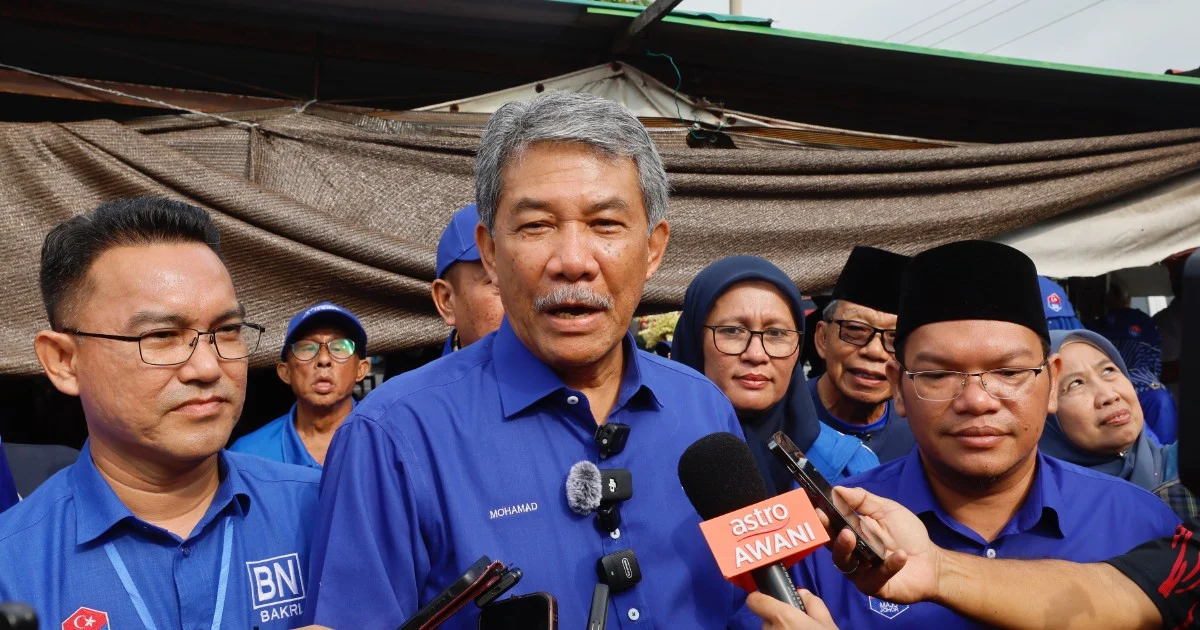
Barisan Nasional's deputy chairman Datuk Seri Mohamad Hasan has escalated political tensions by directly challenging DAP secretary-general Nga Kor Ming to step down from his leadership position. The confrontation centres on inflammatory comments Nga allegedly made concerning the Johor state election, a contest that remains highly sensitive given the state's historical importance to BN's political fortunes and the intense competition for influence in this key peninsula state.
The exchange reflects deepening fractures within the governing coalition and opposition partnerships that have characterised Malaysian politics since the collapse of the Sheraton Move framework in 2020. Mohamad Hasan's public rebuke signifies that BN leadership is unwilling to tolerate what it perceives as unwarranted interference or incitement from opposition politicians regarding state-level electoral contests. The timing of his remarks suggests calculated political messaging aimed at bolstering BN's standing ahead of potential electoral contests and reasserting the coalition's dominance in Johor.
Nga Kor Ming, as DAP secretary-general, holds a prominent position within the opposition structure. His comments, whatever their specific nature, have triggered sufficient concern within BN circles to warrant a direct response from senior leadership rather than deflection through party functionaries. This approach signals that Mohamad Hasan views the matter as serious enough to demand personal intervention, elevating what might otherwise remain an internal political dispute into public confrontation territory.
The Johor election represents contested political ground for both coalitions. BN has historically maintained significant influence in the state, though DAP has made electoral inroads in urban centres and among younger voters. Competition for control of state government translates directly into resource allocation, patronage networks, and influence over development priorities affecting millions of Johor residents. Comments suggesting improper interference or divisive tactics therefore carry weight beyond simple rhetoric—they touch on fundamental questions about electoral integrity and political legitimacy.
For Malaysian readers monitoring coalition dynamics, these tensions underscore the fragility of current political arrangements. While BN and DAP exist formally within different governmental structures, they share interests in maintaining system stability. Public confrontations between senior figures risk undermining the broader political consensus needed for effective governance at federal and state levels. The escalation also demonstrates how quickly disagreements on specific issues can crystallise into broader leadership challenges.
Moderate's position within BN's hierarchy positions him as a key figure in setting the coalition's strategic direction. His willingness to make direct, confrontational statements suggests BN has calculated that projecting strength and demonstrating intolerance for perceived opposition transgression serves coalition interests. This messaging approach appeals to BN's core support base while simultaneously testing opposition resolve and public sympathy for DAP positions.
The demand for Nga's resignation, if taken literally, represents an extreme position unlikely to be fulfilled. More realistically, Mohamad Hasan's statement serves multiple functions: it places DAP on the defensive, requires opposition figures to respond to accusations rather than advance their own agenda, and signals to BN supporters that their leadership remains vigilant against perceived opposition overreach. This rhetorical strategy has proven effective in Malaysian politics, where public opinion remains susceptible to questions about patriotism, propriety, and respect for institutional boundaries.
For the broader Southeast Asian region, Malaysia's political machinations hold particular relevance. The world's oldest continuous democracy in the region, Malaysia's coalition politics influence how other Southeast Asian democracies navigate similar challenges around coalition building, opposition management, and the balance between competition and consensus governance. Observers across the region track these developments to understand how established democratic systems manage internal tensions.
The substantive issues underlying Nga's comments remain somewhat unclear from public reports, suggesting either deliberate ambiguity in media coverage or genuine confusion about the specific trigger for Mohamad Hasan's response. Regardless, the pattern reveals how personalised politics and leadership conflict in Malaysia often overshadow detailed policy discussion. Voters seeking clarity on specific governance issues or policy platforms may find such exchanges frustrating, yet these confrontations frequently dominate political discourse.
Moving forward, the intensity of this exchange may influence whether DAP moderates its public commentary on state elections or instead doubles down on defending its secretary-general. Similarly, BN must calculate whether continued aggressive posturing strengthens its coalition cohesion or creates space for opposition parties to portray it as defensive and reactive. The resolution of this particular dispute, if and when it arrives, will offer insights into current power dynamics within Malaysia's ruling coalition and opposition structure.
Ultimately, such exchanges reflect the competitive intensity of Malaysian politics and the stakes surrounding state-level elections. For ordinary Malaysians, these disputes serve as reminders that political competition remains vigorous even within formal governing arrangements, and that senior leaders continue viewing electoral contests as central to their political legitimacy and future influence.

