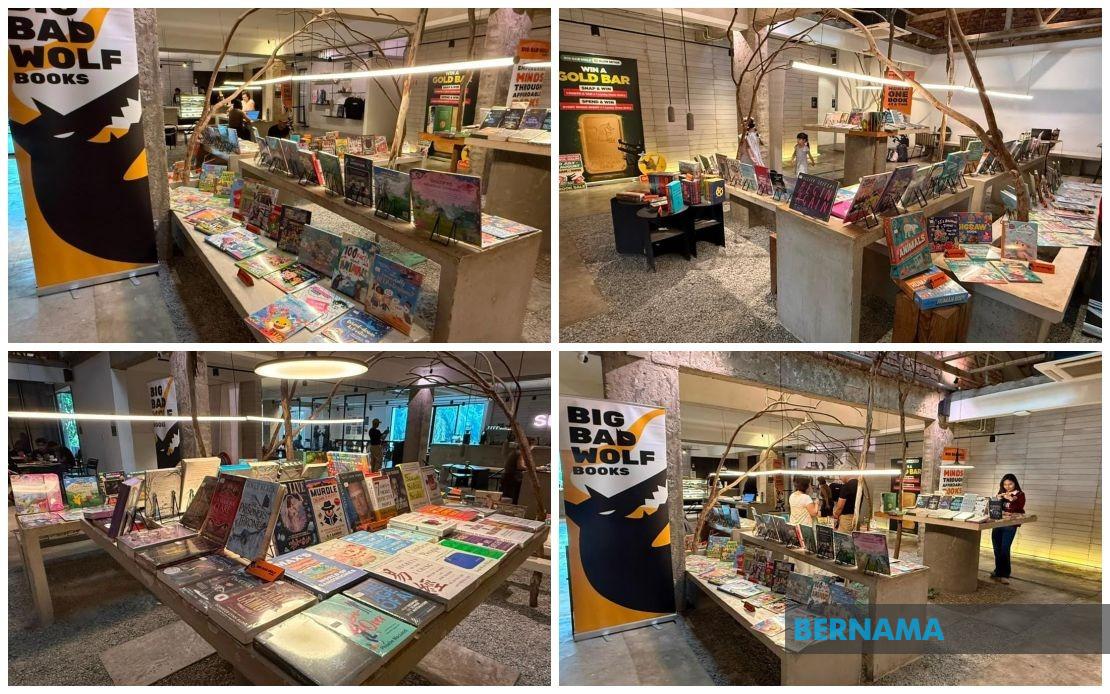
Malaysia's largest book fair, Big Bad Wolf Books (BBW), is setting up operations in Alor Setar for a return engagement that promises to expand the reading landscape across Kedah. The event runs from July 30 to August 9 at the Sultan Abdul Halim Stadium, operating daily from 10 am to 10 pm with free entry for all visitors. This 11-day run represents a strategic effort to deepen book accessibility in a state where literary engagement initiatives have been less frequent compared to major urban centres.
The fair distinguishes itself through a deliberately curated inventory, with 40 per cent of the collection comprising titles new to the exhibition. BBW representative Chloe Lim Sooi Yee emphasised that this refreshed approach aims to broaden visitor choices and prevent fatigue among returning customers. The organisers estimate that approximately one million books will be available for purchase, with pricing starting from as low as RM3, making literature financially accessible to households across various income brackets. Beyond standard inventory, customers can anticipate discounts reaching up to 95 per cent on selected titles, aligning with BBW's core philosophy of democratising reading across Malaysian society.
A notable addition to this year's Alor Setar edition is the introduction of 'Little Ummah' Islamic children's books, bringing this specialised collection to Kedah for the inaugural time. This strategic decision reflects growing recognition that diverse reading materials must serve different cultural and religious communities within Malaysia's plural society. The children's segment has proven crucial for developing lifelong reading habits, and offering titles that resonate with Islamic values and themes addresses a market segment that requires dedicated attention.
The fair's organisers are implementing targeted outreach programmes to maximise community engagement beyond the physical venue. School visits will precede and complement the fair itself, building anticipation and creating pathways for younger audiences to discover the event. Students and educators receive an additional five per cent discount when purchasing a minimum of three titles, recognising that teachers and learners represent fundamental agents in cultivating literacy cultures. This tiered incentive structure acknowledges the multiplier effect when educational professionals champion reading within their institutions.
Incentive campaigns form another pillar of the marketing strategy, with visitors eligible to win a 10-gramme gold bar through 'spend and win' and 'snap and win' promotions. These gamified elements add an experiential dimension beyond mere transactional purchasing, transforming the fair into an entertainment destination that combines commercial activity with social engagement. For a state like Kedah, where competing attractions for discretionary spending can be limited, such value-added experiences enhance the event's drawing power considerably.
Chloe Lim articulated that BBW's presence in Alor Setar forms part of a nationwide literacy movement aligned with broader educational and cultural aspirations. The fair functions as more than a commercial venture; it represents an institutional commitment to strengthening reading habits across demographic segments often underserved by mainstream publishing and retail infrastructure. Kedah, as a state with significant agricultural and industrial economies, has historically received less attention from major cultural initiatives headquartered in Kuala Lumpur or Selangor, making this expansion strategically meaningful.
The pricing architecture deserves particular attention for Malaysian readers considering attendance. By anchoring entry-level prices at RM3 and providing discounts extending to 95 per cent on selected inventory, BBW consciously removes financial barriers that traditionally excluded lower-income households from book purchasing. In the Malaysian context, where wage disparities remain significant and rural areas often experience limited access to subsidised cultural amenities, such pricing decisions carry genuine social implications beyond marketing rhetoric.
Organisers are projecting 35,000 visitors across the 11-day period, a figure that would represent substantial foot traffic for Alor Setar and vindicate their investment in regional expansion. This projection suggests confidence in Kedah's appetite for literary engagement, potentially challenging assumptions that reading culture concentrates exclusively in metropolitan zones. Achieving such visitor numbers would require sustained promotion throughout the state and leveraging existing community networks and institutional partnerships.
The broader significance of BBW's Alor Setar return reflects evolving patterns in Malaysia's cultural economy, where major retail and entertainment operators increasingly recognise regional markets as viable expansion territories. The rise of digital entertainment has intensified competition for consumer attention, yet the persistence of brick-and-mortar book fairs suggests that physical, social reading experiences retain distinctive appeal. For Malaysian publishers, distributors, and independent booksellers, regional fairs represent crucial sales channels and market research opportunities.
For Kedah specifically, the fair's timing during school holidays provides natural alignment with family leisure patterns, positioning book shopping as a holiday activity rather than incidental errand. The combination of free admission, low entry-level prices, and premium discount opportunities creates multiple entry points for different visitor profiles, from dedicated bibliophiles seeking rare finds to casual browsers exploring titles without financial commitment. This inclusive positioning distinguishes BBW from conventional bookstore retail, where browsing expectations often carry implicit purchasing pressures.
The introduction of Islamic children's literature into Kedah's reading ecosystem addresses underrepresentation within mainstream publishing that sometimes prioritises secular narratives. By deliberately stocking materials reflecting the state's religious demographics and values, BBW demonstrates sensitivity to community identity while expanding the diversity of available content. This approach models how commercial cultural initiatives can serve specific communities without compromising broader inclusivity objectives.
Looking forward, BBW's continued investment in regional expansion signals confidence that reading culture extends beyond conventional metropolitan centres. Success in Alor Setar could establish precedent for similar initiatives in other state capitals, potentially reshaping how Malaysians access literature. For policymakers and cultural advocates concerned about declining reading rates, particularly among younger demographics, such commercial initiatives offer practical infrastructure for normalising books within community life. The fair ultimately represents a test case for whether Malaysia's largest book retailer believes regional literacy can compete effectively for consumer attention and spending.

