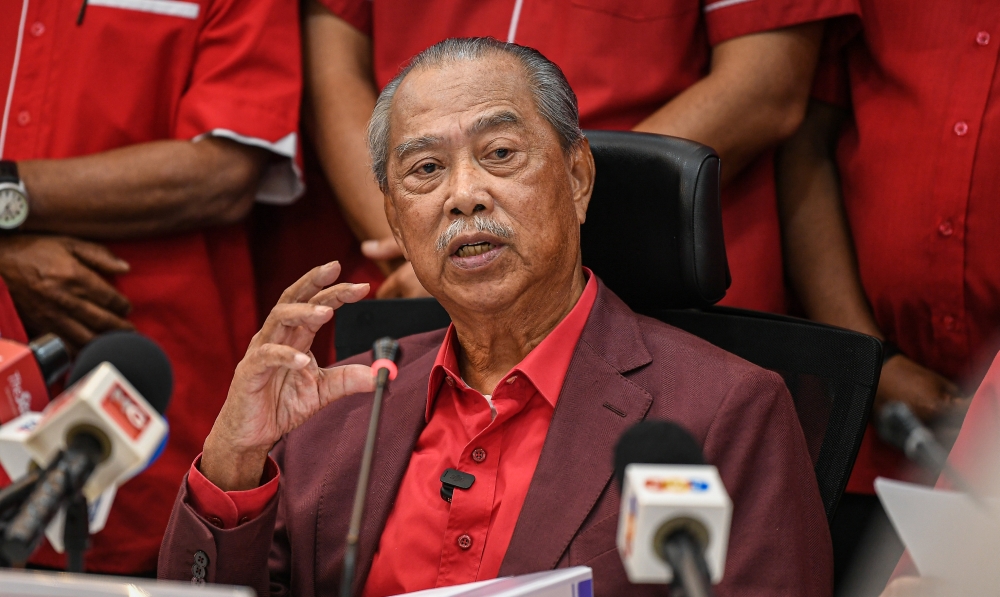
Parti Pribumi Bersatu Malaysia has decided to fight the upcoming Negeri Sembilan state election as a standalone party, deploying its own logo instead of adopting the Perikatan Nasional insignia, according to party president Muhyiddin Yassin. The strategic shift marks a notable departure from the opposition coalition's typical unified electoral approach and underscores mounting internal disagreements that have begun to fracture the alliance's previously coordinated political strategy.
Muhyiddin's announcement signals that Bersatu is willing to contest independently in Negeri Sembilan, a development that raises questions about the sustainability of Perikatan Nasional as a cohesive electoral force. The party has determined that running under the PN banner would not serve its interests in this particular state contest, prompting leadership to chart a separate course despite the broader coalition framework within which it has operated since 2020.
The implications of this decision extend beyond a mere cosmetic change in campaign materials. By reverting to its own party symbol, Bersatu is essentially signalling to voters that it believes its individual brand carries sufficient weight and recognition to stand alone in Negeri Sembilan's political marketplace. This represents a calculated gamble that the party's organisational machinery and grassroots support can function effectively without the legitimacy that PN's broader coalition branding typically provides.
Within the Malaysian opposition landscape, such moves typically signal deteriorating relationships between coalition partners. When parties begin moving away from shared symbols and unified branding, political observers interpret this as evidence that the alliance is losing its binding force. The decision also raises immediate questions about whether other PN member parties might follow suit in future electoral contests, potentially unravelling the coalition's unified front across multiple states.
Negeri Sembilan represents a test case for Bersatu's independent electoral viability. The state has traditionally been competitive terrain where multiple political forces vie for influence. By choosing to contest separately, Bersatu is essentially betting that it can distinguish itself sufficiently from other opposition parties to maintain or improve its electoral position. This strategy assumes voters can be persuaded to back Bersatu specifically, rather than supporting the broader opposition coalition.
The underlying tensions within Perikatan Nasional have been building for some time, with disagreements over strategy, seat allocation, and party leadership priorities creating friction among coalition members. Bersatu's move to use its own logo in Negeri Sembilan should be understood as a symptom of these deeper structural problems rather than an isolated tactical decision. The party is essentially testing whether it can function effectively outside the coalition framework.
For Malaysian politics more broadly, this development reflects the inherent fragility of opposition coalitions constructed primarily for electoral purposes rather than ideological cohesion. Unlike the ruling Barisan Nasional, which maintains institutional mechanisms to manage disputes among member parties, the PN coalition has relied more heavily on personal relationships and temporary political convenience. When those relationships fray, the entire structure becomes vulnerable.
The decision also has implications for how Negeri Sembilan voters will make their electoral choices. A fractured opposition vote could benefit the ruling coalition if anti-government sentiment becomes spread across multiple parties running independently. Conversely, if Bersatu's individual branding successfully consolidates opposition support in certain constituencies, the party might demonstrate that independent campaigns can outperform coalition-based ones.
Bersatu's leadership appears confident that the party has developed sufficient organisational capacity to contest elections without requiring the PN coalition's protective branding. This confidence likely stems from the party's earlier successes in state-level politics and its accumulation of grassroots networks across peninsular Malaysia. Whether this confidence proves justified will become apparent once Negeri Sembilan voters cast their ballots.
The timing of this announcement also merits consideration. Negeri Sembilan's electoral calendar has prompted several coalition parties to revisit their strategic positioning ahead of polling day. Bersatu's decision to diverge from the PN approach suggests that internal discussions about the coalition's future direction have reached a stage where parties are beginning to prepare contingencies for continued independent operation.
Regional observers tracking Malaysian political developments will likely view this move as a harbinger of potential further fragmentation within Perikatan Nasional. If established coalition members believe they can perform better by running independently, the precedent set in Negeri Sembilan could embolden similar decisions elsewhere. This could fundamentally reshape how opposition politics functions across Malaysia's states.
The coming Negeri Sembilan contest will therefore serve as a critical barometer for Bersatu's political standing and for the PN coalition's overall health. The results will indicate whether voters remain willing to back individual opposition parties competing separately, or whether consolidated coalition branding continues to hold electoral appeal. For Malaysian politics, the outcome may well determine whether opposition coalitions remain viable structures for challenging government power.

