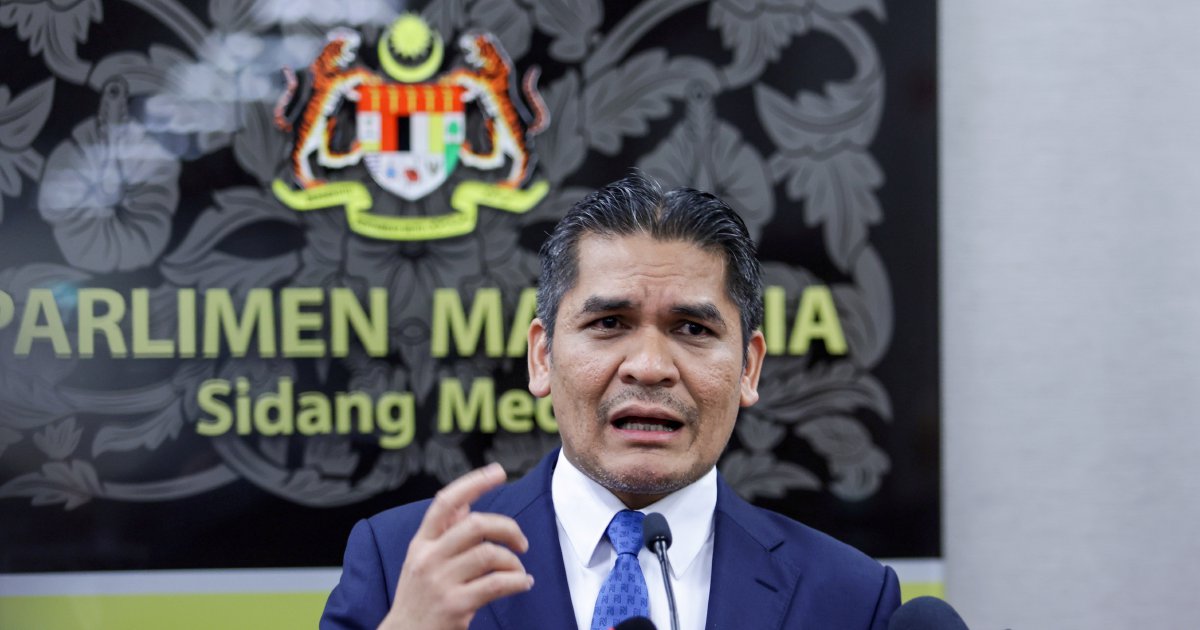
The Malaysian government coalition has signalled stability on a contentious matter affecting millions of pilgrims and their savings. Datuk Dr Radzi Jidin, a prominent Bersatu figure, announced that the party's representatives in the Dewan Rakyat will maintain their presence throughout the special parliamentary sitting examining the Royal Commission of Inquiry report into Lembaga Tabung Haji. The commitment came as legislators prepare to scrutinise the findings of the RCI, which has been tasked with investigating the Islamic pilgrimage fund's operations and management practices.
Tabung Haji, formally known as the Pilgrimage Fund Board, manages savings and investment instruments for millions of Malaysian Muslims preparing for the Hajj pilgrimage to Mecca. The institution has faced considerable public concern regarding its financial performance and asset management decisions in recent years, prompting the establishment of the RCI to examine governance structures and identify potential mismanagement. The inquiry's findings carry significant implications not only for the fund's beneficiaries but also for public confidence in state-linked financial institutions managing citizen assets.
Radzi Jidin's statement represents an attempt to project parliamentary unity during what could prove to be a divisive debate. The Bersatu decision to remain present throughout the sitting signals the coalition government's readiness to engage substantively with the RCI's conclusions rather than resort to boycotts or walkouts. Such tactical discipline becomes particularly important when addressing matters that concern ordinary Malaysians' retirement and religious obligations, where public perception of political responsibility carries heightened weight.
The timing of this parliamentary special sitting reflects growing public interest in understanding how Tabung Haji's management fell short of expectations. In recent years, the fund has faced criticism over its investment strategies, particularly regarding significant losses incurred through market downturns and asset allocation decisions. The RCI was established to provide a comprehensive examination of these governance failures and recommend structural improvements to prevent future lapses in fiduciary responsibility.
For Bersatu, maintaining parliamentary presence during this sitting demonstrates a commitment to legislative process despite potential internal disagreements. The party, which forms part of the broader government coalition, presumably recognises that withdrawing or absconding during parliamentary proceedings would undermine government credibility on matters of public accountability. The decision also reflects political calculation that engagement with the RCI process allows coalition partners to shape policy responses and demonstrate responsiveness to public concerns.
The implications for Malaysian politics extend beyond the Tabung Haji matter itself. Parliamentary conduct during sensitive debates serves as a barometer for coalition stability and the government's ability to manage contentious issues without resorting to procedural disruptions. Radzi Jidin's announcement provides reassurance that Bersatu, despite being a relatively newer addition to the coalition structure, remains committed to orthodox parliamentary norms and constructive engagement with legislative business.
Tabung Haji's challenges reflect broader concerns about governance in Malaysia's state-linked entities. The fund's difficulties have prompted wider scrutiny of how state institutions manage public assets and whether adequate oversight mechanisms exist to protect citizen investments. The RCI report will likely recommend enhanced auditing, clearer investment guidelines, and strengthened board accountability measures to restore public confidence in the institution's stewardship.
For Malaysian pilgrims and potential Hajj aspirants, the parliamentary examination of the RCI findings offers an opportunity for transparency regarding their savings. Many Malaysians rely on Tabung Haji as their primary vehicle for accumulating funds for the pilgrimage, making the institution's financial stability a matter of personal consequence for millions. The special parliamentary sitting will provide a public forum for elected representatives to scrutinise management practices and demand accountability from leadership.
The broader Southeast Asian context also matters here. Malaysia's handling of state financial institution governance is watched by regional peers grappling with similar challenges around transparency, accountability, and effective oversight of public assets. The parliamentary debate on Tabung Haji, conducted transparently and with full coalition participation, sends a signal about Malaysia's commitment to standards of institutional governance that increasingly define credibility among developing economies.
Radzi Jidin's confirmation that Bersatu will not stage a walkout essentially positions the party as supporting the continuation of parliamentary proceedings regardless of the RCI's findings or any criticisms that may emerge. This stance suggests Bersatu anticipates the sitting will proceed without procedural disruptions and that the coalition can collectively address whatever recommendations the RCI has produced. The commitment to full participation indicates confidence that the government coalition can manage the political aftermath of the inquiry's conclusions.
The special sitting represents an important juncture for parliamentary accountability in Malaysia. When institutions managing citizens' life savings and religious obligations face scrutiny, the quality of legislative oversight becomes paramount. Bersatu's decision to maintain its members' presence ensures that parliamentary examination of the RCI report can proceed with full representation and that the government's response can be tested through robust debate and questioning by all coalition partners and opposition members present.

