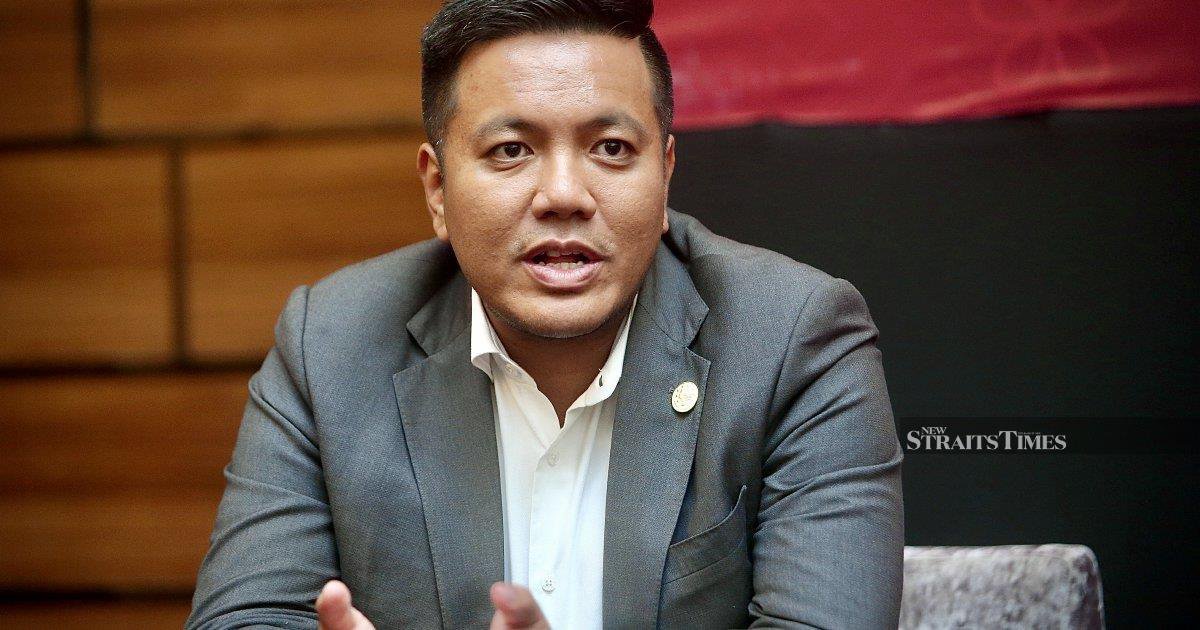
Bersatu has intensified pressure on Datuk Seri Abdul Azeez Abdul Rahim, the former chairman of Tabung Haji, by demanding transparency about his interactions with the Malaysian Anti-Corruption Commission (MACC) in connection with findings released by the Royal Commission of Inquiry (RCI) examining the hajj savings institution.
The political party's public call for clarification signals mounting scrutiny over the governance issues uncovered during the RCI's investigation into Tabung Haji, which has drawn considerable attention from both lawmakers and oversight bodies. The timing of Bersatu's intervention reflects broader concerns within parliamentary circles regarding accountability at one of Malaysia's most significant financial institutions serving the Muslim community.
Tabung Haji, which manages deposits and savings for Malaysian pilgrims performing the hajj, has faced repeated questions about its financial management and institutional oversight. The RCI's investigation represented an official attempt to examine whether governance failures or misconduct contributed to reported losses and operational challenges that the institution encountered. Findings from such inquiries typically generate follow-up actions by enforcement agencies, particularly if evidence suggests potential breaches of anti-corruption laws or fiduciary duties.
Azeez's tenure as chairman coincided with a period when Tabung Haji faced significant challenges, including investment losses and reputational damage that prompted the establishment of the RCI itself. The former chairman's role in decision-making during this period means that any findings touching on administrative or financial irregularities would naturally invite scrutiny from the MACC and other investigative authorities. His response to Bersatu's demand will provide important signals about the pace and scope of enforcement action following the RCI's conclusions.
Bersatu's demand carries political weight given the party's position within Malaysia's governing coalition and its representation in parliament. By making this call public rather than raising it privately, the party ensures that the matter receives wider attention among lawmakers and the public, effectively creating accountability pressure on both Azeez and the institutions charged with investigating potential wrongdoing. This approach reflects how parliamentary oversight operates in Malaysia, where political parties leverage public statements to maintain pressure on officials and bodies suspected of misconduct.
The request for clarification serves multiple purposes within Malaysia's governance ecosystem. It demonstrates Bersatu's commitment to transparency regarding Tabung Haji, an institution that affects millions of Malaysian Muslims and their families. Simultaneously, it prompts the MACC to confirm the status of any investigation and timeline for further action, ensuring that enforcement agencies remain responsive to parliamentary interest and public expectations. For Azeez personally, the public call creates pressure to address the matter directly rather than through indirect channels.
The broader context involves Malaysia's ongoing efforts to strengthen institutional accountability following numerous high-profile corruption cases and governance failures at state-linked enterprises. Tabung Haji represents a particularly sensitive case because the institution directly manages funds belonging to ordinary Malaysians saving for one of Islam's Five Pillars. Any suggestion of mismanagement or corruption strikes at public confidence in institutions trusted with citizens' personal savings and religious commitments.
Previous RCI findings into Malaysian institutions have sometimes faced delays in resulting enforcement action, raising questions about follow-through between investigative bodies and the agencies responsible for prosecution. Bersatu's intervention appears designed to prevent similar delays in this case and to ensure that the MACC treats any substantiated allegations with appropriate urgency. The party's public stance may also indicate dissatisfaction with the pace of post-RCI developments or frustration that promised accountability measures have not progressed sufficiently.
For Malaysian observers and the broader public, Azeez's response will carry significance beyond the immediate matter. His willingness to engage transparently with Bersatu's demand and to publicly disclose whether the MACC has contacted him will signal his confidence in the strength of his position regarding the RCI findings. Conversely, evasion or reluctance to clarify would likely intensify scrutiny and invite further parliamentary questioning about the circumstances surrounding his tenure and the institution's documented problems.
The situation reflects how Malaysia's investigative and political systems increasingly operate in tandem, with parliamentary parties playing active roles in monitoring enforcement agency activities and demanding transparency about the status of investigations. This dynamic can enhance accountability when properly calibrated, though it also risks politicizing enforcement matters if parties pursue investigations primarily for partisan advantage rather than genuine governance concerns.
Tabung Haji's stakeholders—millions of Malaysian Muslims with money held by the institution—have direct interests in ensuring that any misconduct identified by the RCI triggers appropriate investigations and remedial action. Bersatu's public demand addresses this stakeholder interest by ensuring that the pathway from RCI findings to enforcement action receives sufficient attention from both political actors and the public. Going forward, how the MACC and Azeez respond will indicate whether Malaysia's accountability mechanisms function effectively in holding former institutional leaders responsible for governance failures.

