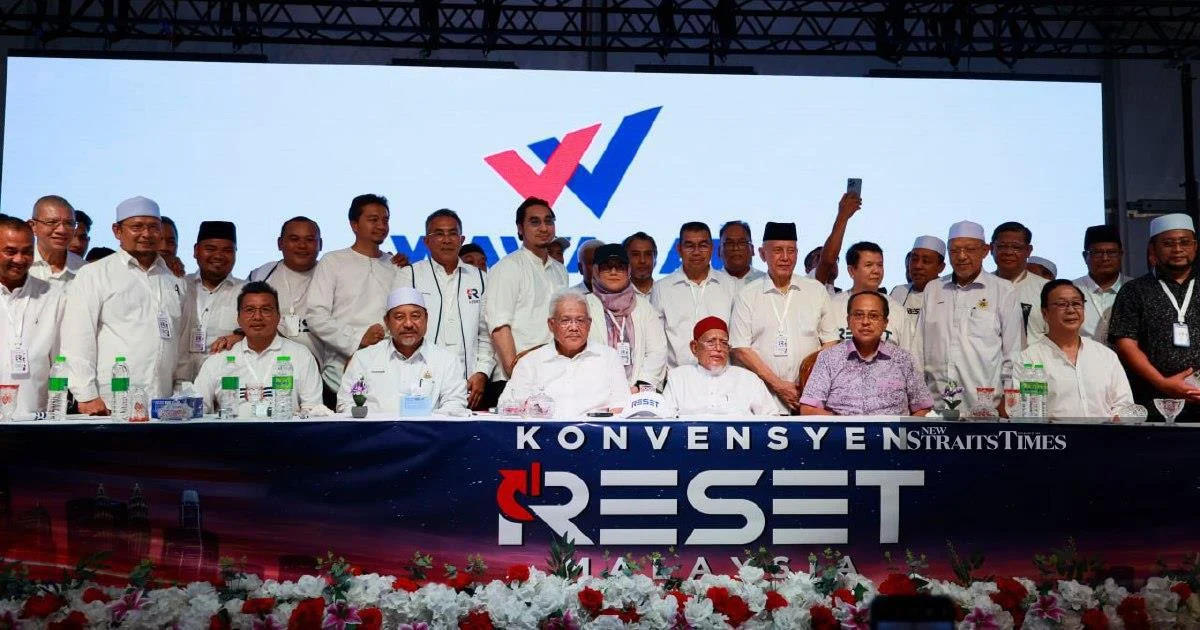
The Perikatan Nasional coalition faced mounting internal turbulence when Bersatu levelled accusations that the coalition leadership had sidestepped proper procedural safeguards in fast-tracking Wawasan's entry into the alliance. The controversy erupted in the aftermath of a Monday night emergency gathering of the PN Supreme Council, which Bersatu now contends may have lacked the requisite legal foundation to proceed with such a consequential decision.
The dispute centres on whether the PN chairman possessed sufficient authority to convene an emergency session without adhering to established notice requirements and consultation protocols that typically govern major coalition decisions. Bersatu's intervention signals deepening fractures within a coalition that has struggled to maintain unity since its formation, with member parties increasingly protective of their institutional roles and decision-making prerogatives. The challenge underscores how Malaysian coalition politics remains vulnerable to procedural disputes that can rapidly escalate into broader legitimacy questions.
Wawasan's admission into PN represents a significant strategic manoeuvre, potentially reshaping the coalition's parliamentary strength and regional influence. However, the manner in which this expansion proceeded—through what Bersatu characterises as an expedited, insufficiently transparent process—has provoked questions about whether the coalition's leadership consulted adequately with constituent parties before taking action. Such governance lapses, whether real or perceived, can undermine confidence in coalition institutions and embolden smaller members to demand greater say in future decisions.
The timing of Bersatu's complaint carries particular weight given Malaysia's fractious political landscape. Coalition cohesion remains fragile across the country, with smaller parties frequently using procedural objections to assert leverage or protect their relevance. By challenging the legality of the emergency meeting, Bersatu has effectively positioned itself as guardian of proper governance standards—a posture that resonates with voters fatigued by opaque political manoeuvring. Whether the criticism reflects genuine procedural violations or tactical positioning remains contested, but the allegation itself can damage the coalition's public credibility.
The emergency meeting mechanism itself reveals underlying tensions within PN's structural design. If the coalition's constitution permits the chairman to summon extraordinary sessions with minimal notice, then Bersatu's objections may rest on weaker legal ground but nonetheless highlight architectural weaknesses in how decisions are made collectively. Conversely, if proper protocols were indeed circumvented, the incident exposes inadequate checks on executive authority within the coalition structure—a problem that transcends this specific episode and threatens future decision-making.
Wawasan's entry into PN would typically require careful management of existing members' interests and prerogatives. Any party joining an established coalition carries implications for resource distribution, candidate selection, and portfolio allocations—matters that naturally demand broad consultation. By allegedly rushing this process, the coalition leadership risks alienating members who feel their stakes in the partnership were disregarded. Bersatu's grievance may reflect broader dissatisfaction among parties sensing they lack adequate influence over coalition direction.
For Malaysian voters and political analysts, this dispute illuminates how coalition politics operates beneath the public gaze, with technical procedural questions often masking deeper power struggles. The incident demonstrates that governance legitimacy in Malaysia's fluid political environment depends not merely on formal authority but on demonstrable respect for consultation and process. When leadership acts unilaterally, even with legal justification, member parties and observers questioned whether the decision serves coalition interests or narrower factional agendas.
The broader Southeast Asian context adds another dimension to this controversy. Coalition stability has emerged as a critical concern across the region, where fractious alliances have repeatedly collapsed or fractured. Malaysia's experience offers cautionary lessons about the hazards of inadequate institutional safeguards and insufficient power-sharing mechanisms. Political scientists monitoring regional governance trends will watch whether PN develops more robust consensus-building frameworks or whether procedural vulnerabilities continue destabilizing the coalition.
Bersatu's challenge also raises questions about PN's longer-term viability and coherence. If the coalition's largest component party—for whom Bersatu functions as the primary anchor—harbours serious reservations about leadership decisions, fundamental trust has eroded. Restoring confidence will likely require either clarifying the emergency procedures, establishing more inclusive decision-making processes, or securing assurances that future coalition actions will involve adequate consultation. Without such remediation, Bersatu may seek alternative political alignments, particularly if the party concludes that PN constrains rather than amplifies its influence.
The dispute also carries implications for parliamentary stability. If PN's coalition integrity weakens due to internal disputes, the government's parliamentary majority could face challenges that reverberate through legislative proceedings. Opposition parties will inevitably exploit any visible cracks in the ruling coalition, emboldening confidence in their prospects for forcing confidence votes or blocking government initiatives. Thus, Bersatu's public airing of grievances against the PN chairman represents not merely internal party dysfunction but a potential vulnerability exploitable by political opponents.
Resolving this controversy demands both procedural clarity and substantive negotiation. PN leadership must address Bersatu's legal objections directly, either demonstrating that proper procedures were followed or acknowledging breaches and committing to reformed practices. Simultaneously, the coalition should consider whether Wawasan's admission, even if procedurally valid, genuinely enhances coalition objectives or primarily advances narrower leadership ambitions. Only through transparent resolution can PN rebuild the trust essential for sustained political effectiveness and coalition longevity.